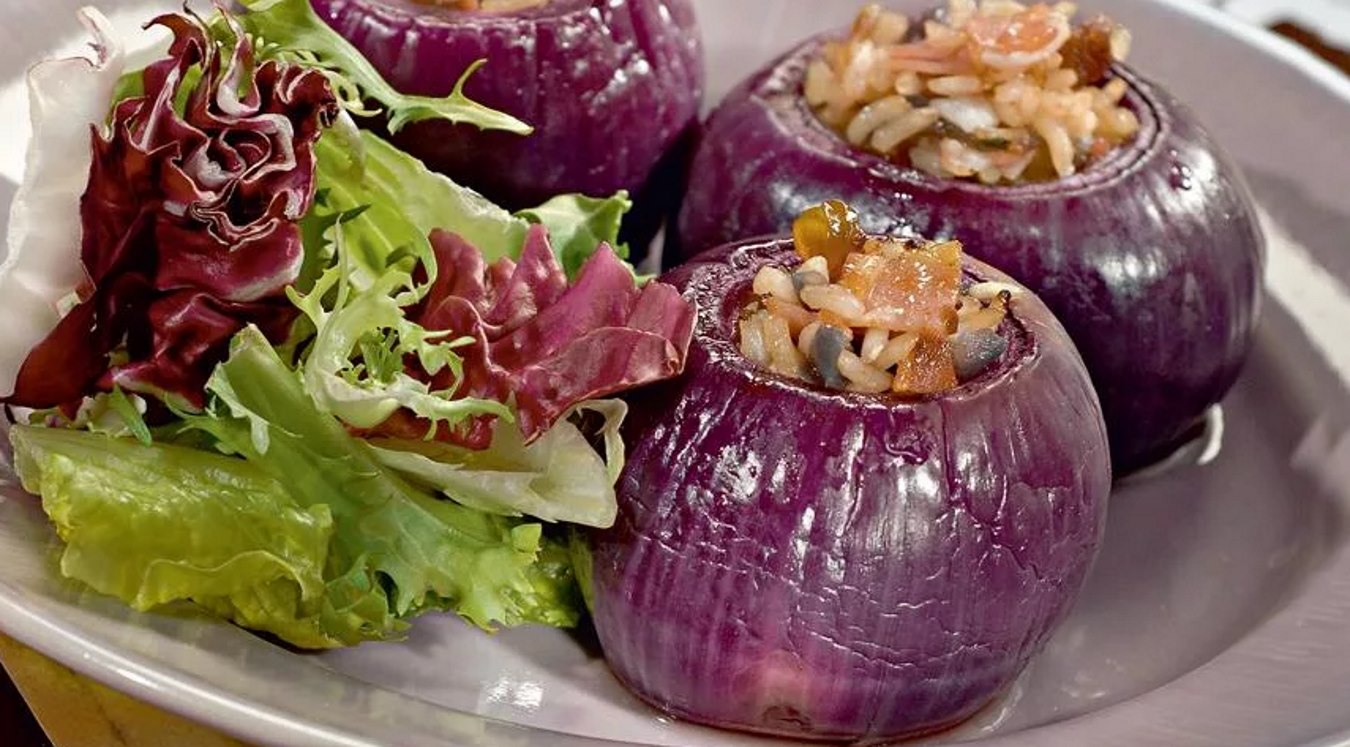
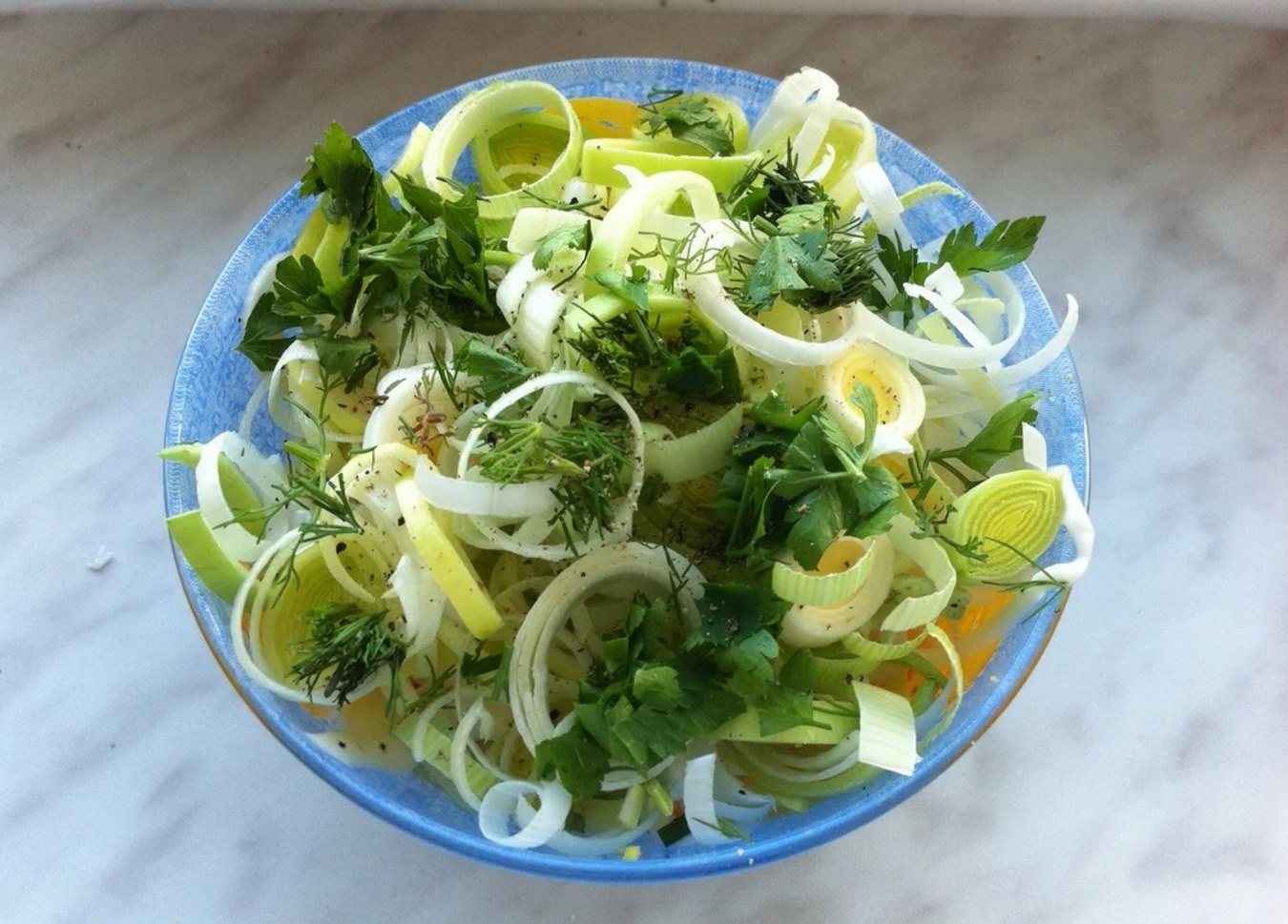
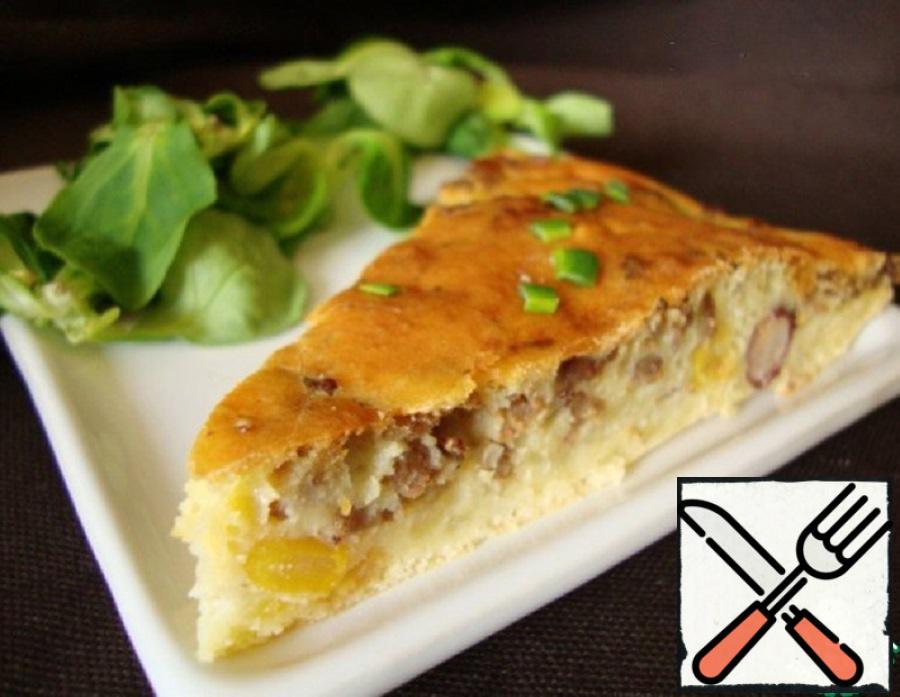
Onions in cooking are used in raw, boiled, fried, pickled and salted types. Although to preserve all the useful properties, minimal thermal exposure is recommended. Onions can be both a flavor seasoning for the main dish (and it is combined with meat, fish, rice, potatoes, flour products, cottage cheese, and other vegetables), and the basis of the recipe. Many national cuisines have their own “branded” culinary products, in which onions can be called a key ingredient: French onion soup, British onion pie, etc. There are some culinary tricks that will allow you to cook this product (or a dish based on it) as tasty as possible: If you add a little granulated sugar to the oil during frying, the onions will brown better. So that the chopped onion does not burn during sauteing, before sending it to the frying pan, you should roll the “straw” in flour. Then it will simply acquire a reddish hue. Onions can be added to minced meat not only to improve the taste, but also to extend the shelf life of the meat part. To get rid of onion bitterness in the manufacture of salads, raw onions are slightly scalded with boiling water, and hands and knife are smeared with wet salt.
When choosing onions, preference should be given to dense clean heads, without damage, holes and stains. The sweetness-bitterness of a vegetable depends not only on the variety, but also on the length of daylight in the place of cultivation (southern onions are considered sweeter), the mineral content of the soil, the softness of the climate, the abundance of precipitation, etc. For example, with a large amount of annual precipitation, sulfur is actively washed out of the soil, which creates prerequisites for growing a sweeter vegetable. However, in general, it is believed that white varieties have a stronger flavor and are better suited for filling pies, red and purple ones have a sweet taste and are well combined in salads and marinades, and the Spanish variety is softer and sweeter, as well as onions with yellow–brown husks are better suited for frying.
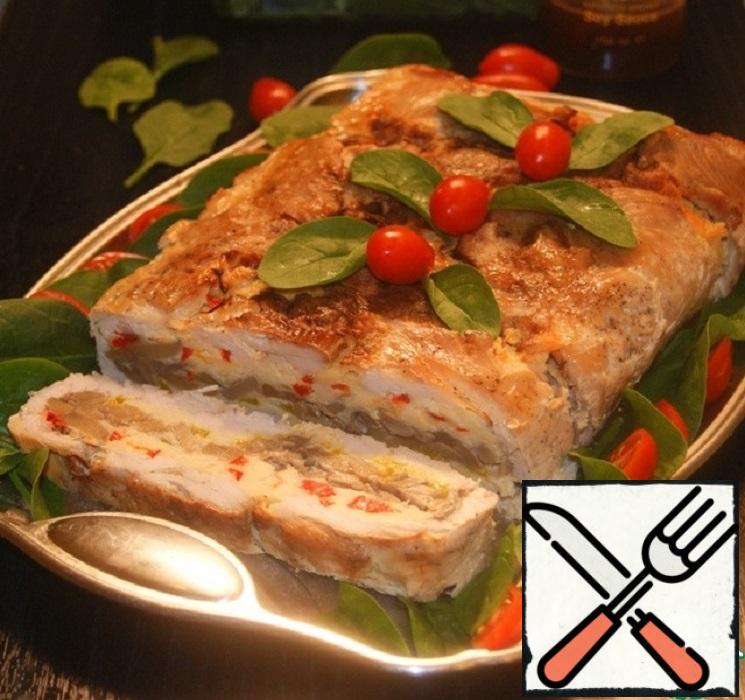
Juicy, delicious and very fragrant pie, which terrine could not call it,” where the “dough” is chicken fillet, and the filling is mushrooms and 2 types of pepper. A hearty and at the same time, almost a diet lunch or dinner, at the same time an elegant snack for a festive table.
Minced meat dishes are very family and always favorite: cutlets, meatballs, cabbage rolls, terrines, casseroles. I suggest you try meat balls in sweet and sour Moroccan sauce, which are quite easy to cook even in Siberia… Come, help yourself and please your family and friends with a warm spring mood!
The recipe for this snack is very simple. You can safely cook this dish for a festive table or for every day. It turns out delicious and satisfying. You will be glad that you have prepared this snack.
It is prepared cold or hot. I made a pancake terrine with vegetable Coolie sauce in a hot way. As a filling, I chose beotile – finely chopped chicken liver and stomachs (in France it is often used as a filling for pies, in combination with spices served on sandwiches)
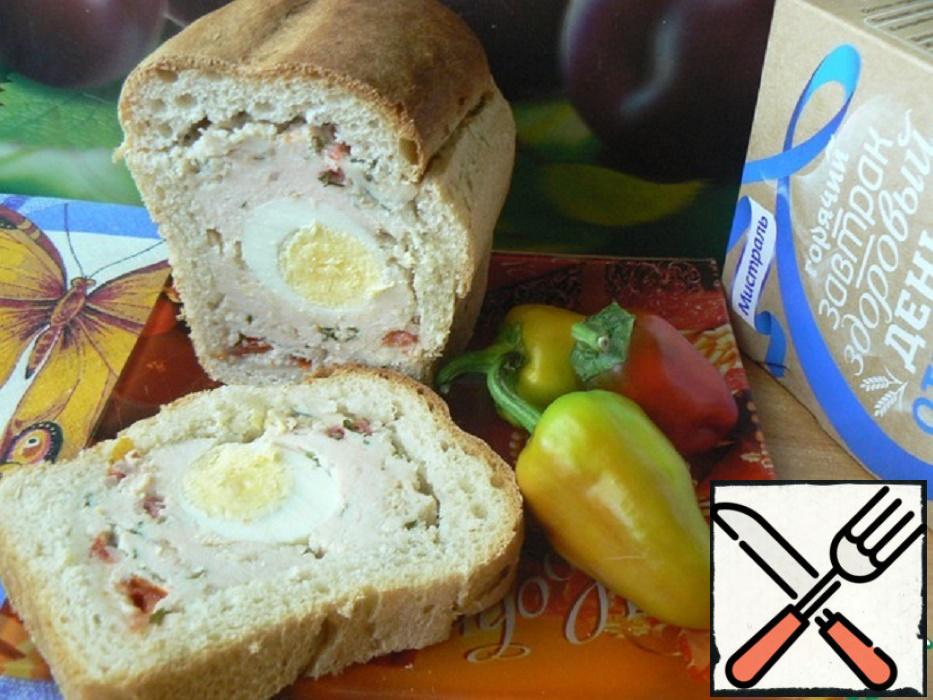
An original appetizer or even a main course, easy to prepare, you will certainly like it. A juicy filling of chicken, tomatoes, parsley and onions and boiled eggs will give strength and energy, and oat bran will make the dish even more useful. Another advantage is that you can take this terrine with you to work and to nature.
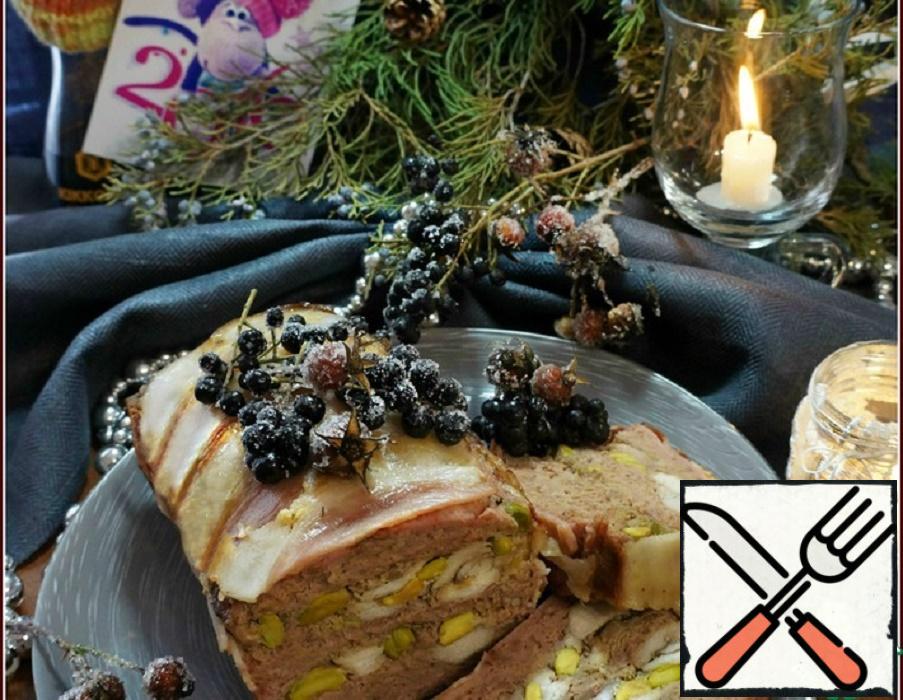
Each coming year has its own peculiarities. In the New Year, there should be more tender snacks on the table. Terrine is an amazing snack. It can be made from any meat and with the addition of any ingredients. And on the eve of the holidays – it will be a win-win option. Here your imagination is simply limitless! I made it with rabbit and duck meat.
A typical representative of French cuisine. Elegant, light and very refined, despite its simplicity, it is well suited as an appetizer or main course. Berry sauce creates a bright contrast and helps to set off its delicate rice-fish taste.
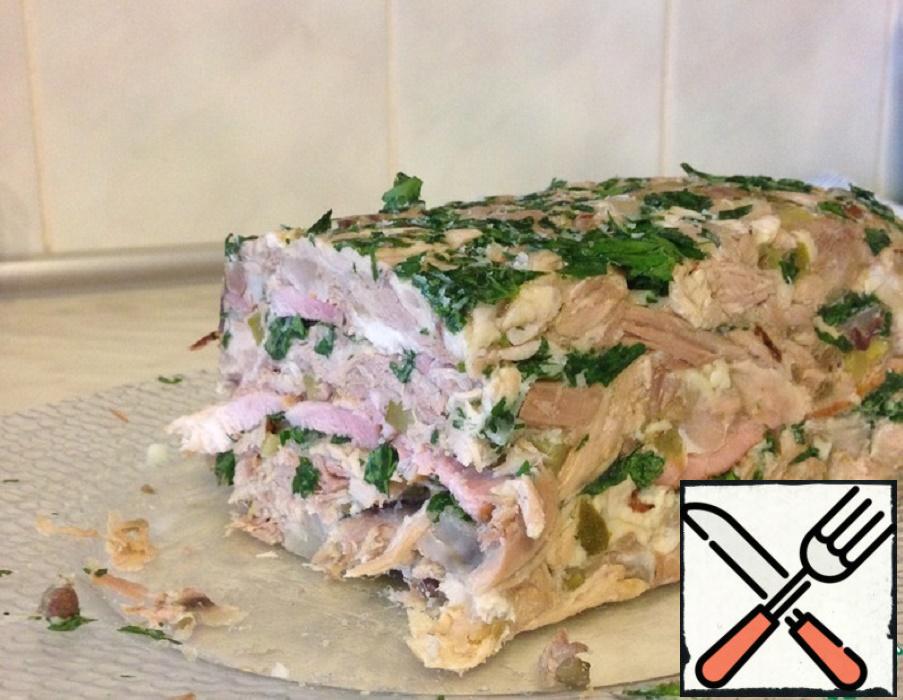
At any time of the year, in any company and for any occasion, this dish is always in the center of the table. I like the rich meat taste of ham with contrasting spicy-salty taste of gherkins, capers and parsley. Who would have thought that such ordinary and inexpensive ingredients as knuckle, ham, parsley and pickles could make a wonderful dish. My prescription is written out for half.
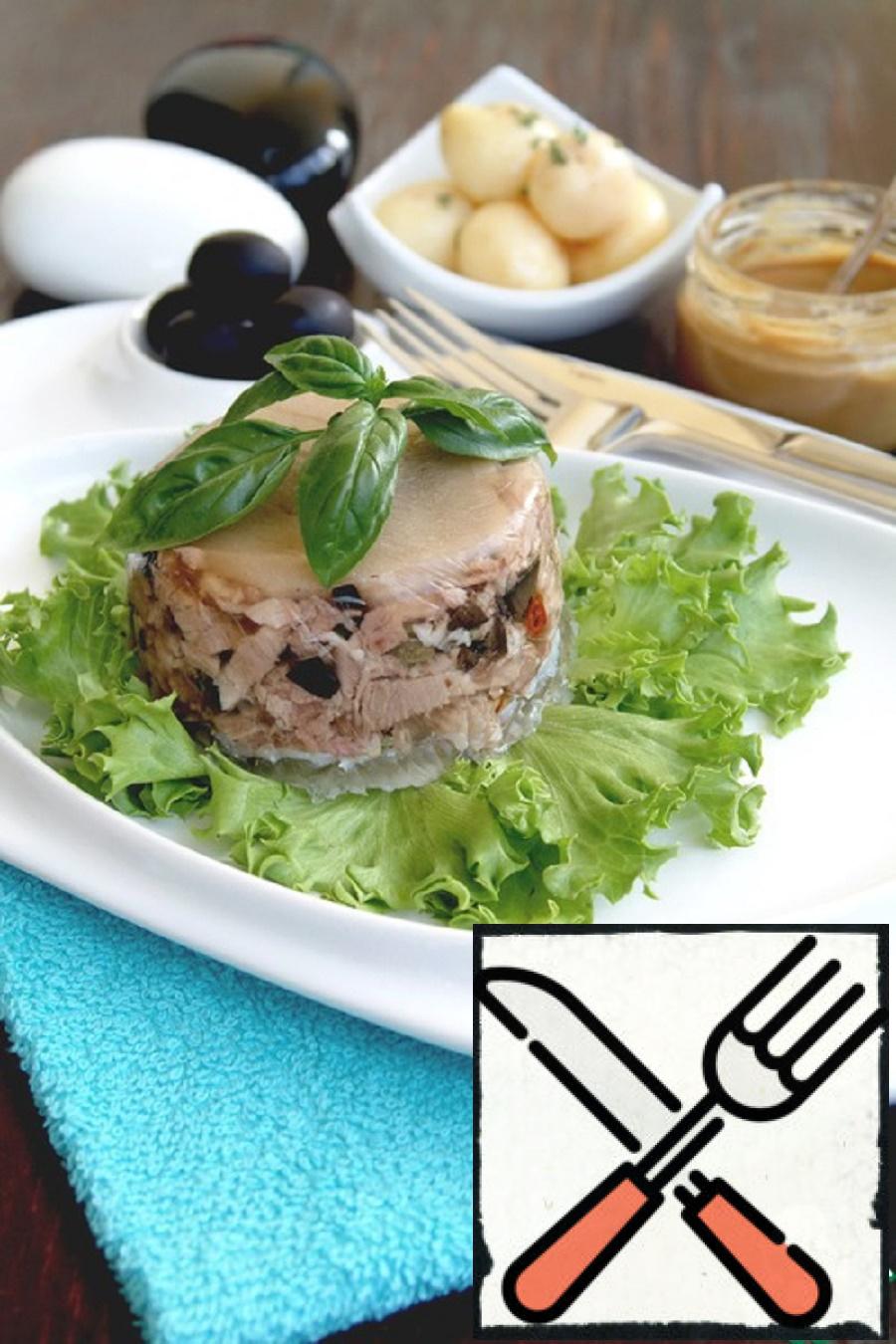
I can’t imagine a classic Russian feast without aspic. Apparently, Gordon Ramsay, having familiarized himself with our traditions, also decided to make jelly in a modern way. This is a very interesting alternative to the most favorite dish of our people. The idea to divide it into portions did not come to me by chance, I do not really like dishes from a common dish at banquets. I hope you like this idea as much as I do.