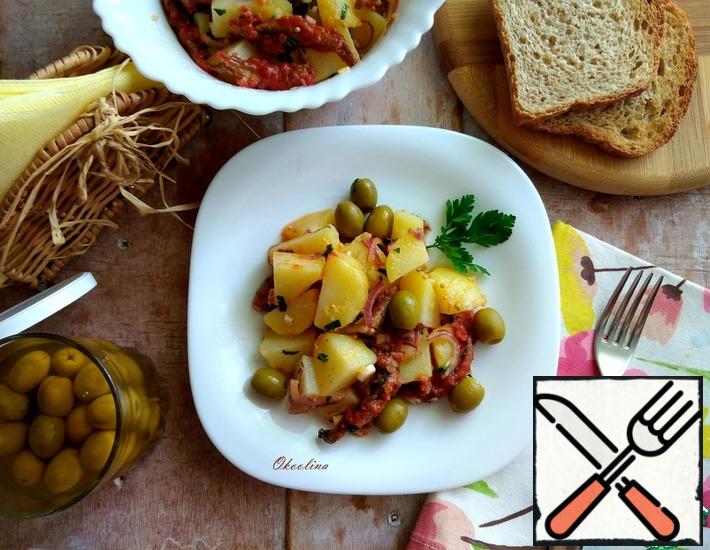
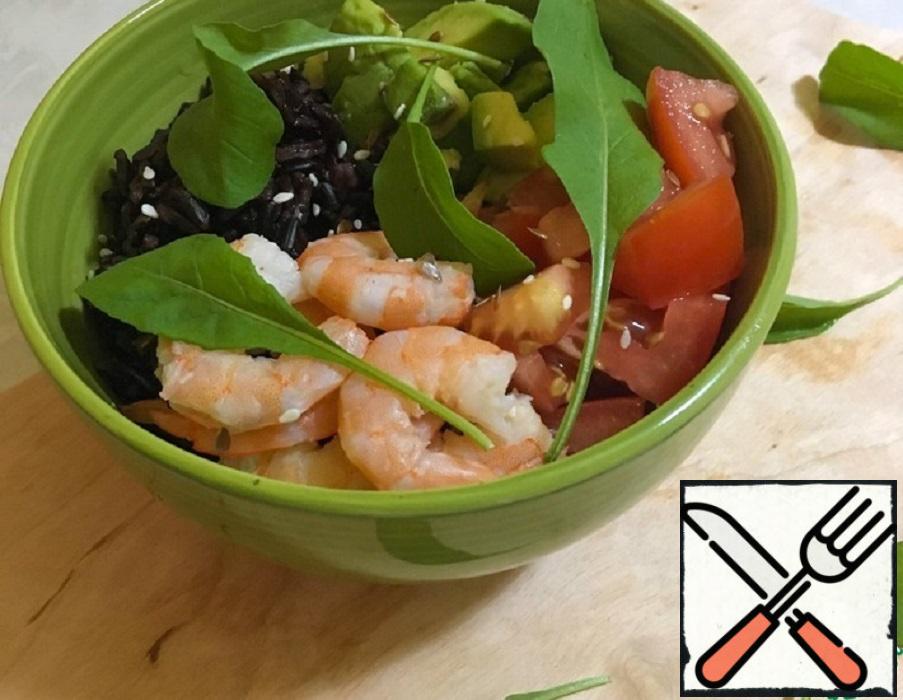
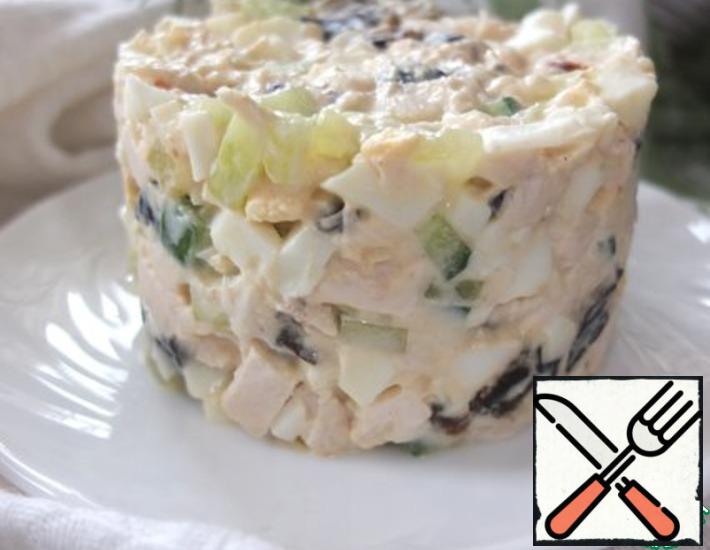
The salad is delicious and filling. It will take a worthy place on your table and will not leave anyone indifferent. Original, juicy, moderately sharp. Balanced and harmonious taste.

Best Food Recipes 2023 Step by Step with Pictures
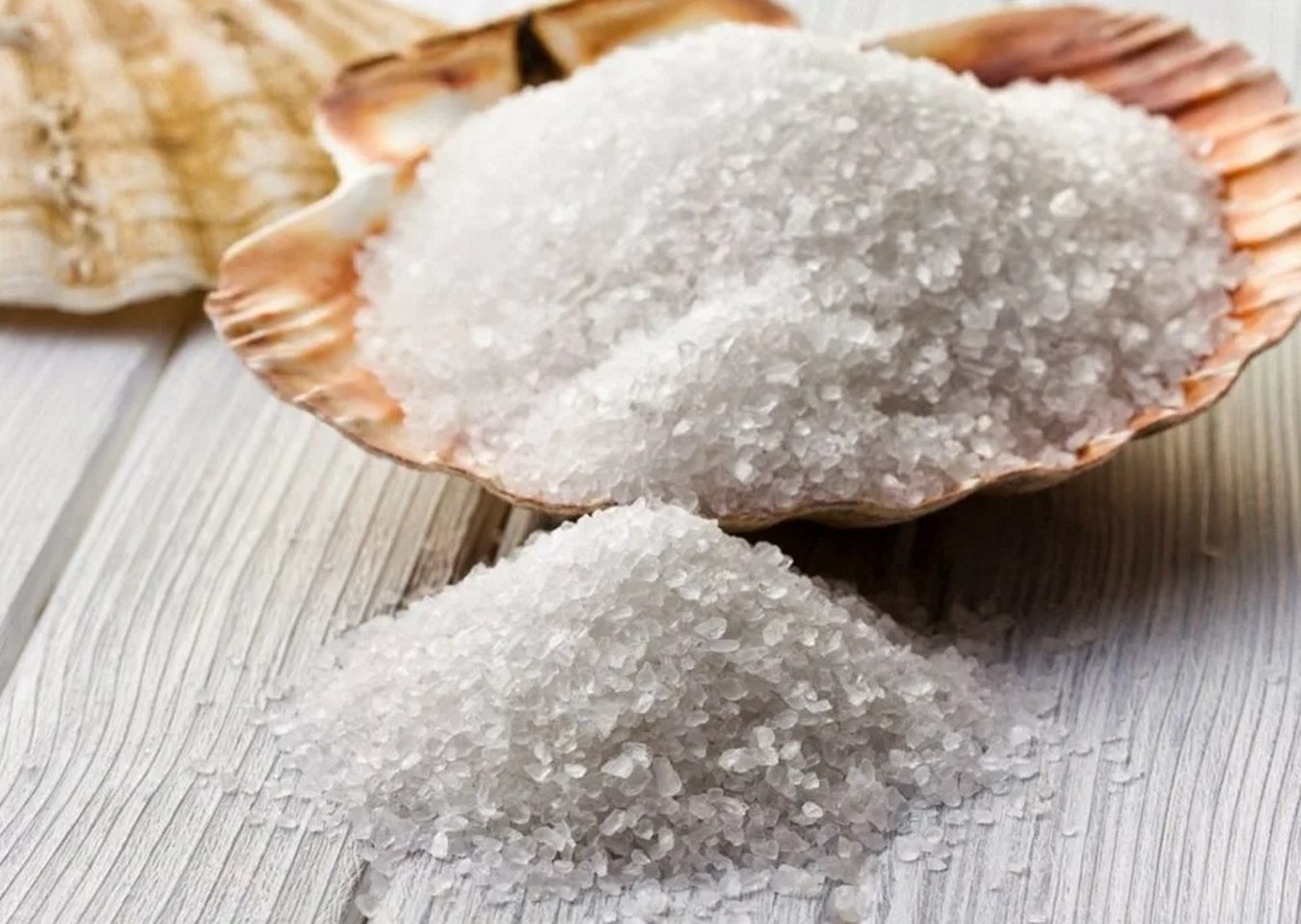
Table salt, rock salt, edible salt, is a food product that is added to a variety of dishes. It represents crushed crystals, the color of which is white.
In nature, it is impossible to find table salt in its pure form, because it always contains impurities of other mineral salts, which give it a variety of color shades. Most often it is gray.
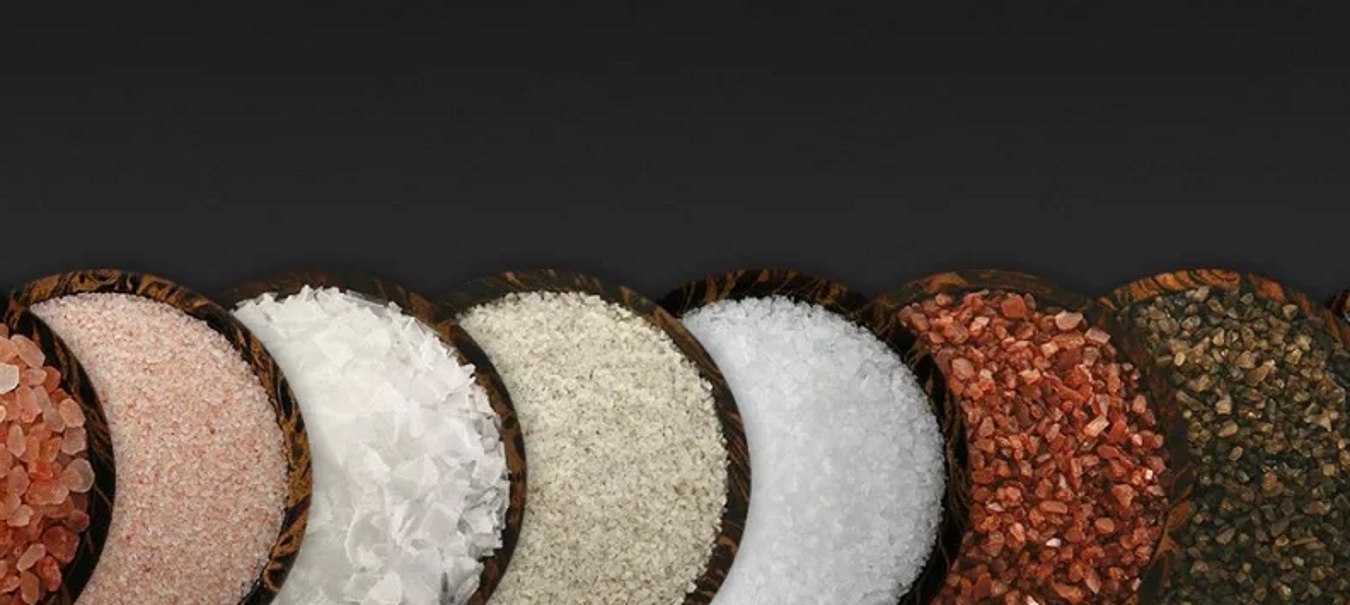
Today there are many types of salt. Among them there are, one might say, classic and exotic. The first ones have long been included in our diet. They have long been used in cooking to this day:
Rock salt is ordinary salt without any special impurities.
Iodized salt is sodium chlorine, which is artificially enriched with iodine, it is very popular in regions where people suffer from iodine deficiency.
Fluorinated salt – enriched with fluoride is useful for teeth.
Dietary salt is characterized by a reduced sodium content, which is why it has a slightly different taste.
Exotic types of salt are used in different cuisines of the world, among them volcanic Indian salt, Himalayan pink, French smoked and many others. Such products differ in shades and the presence of specific flavors.
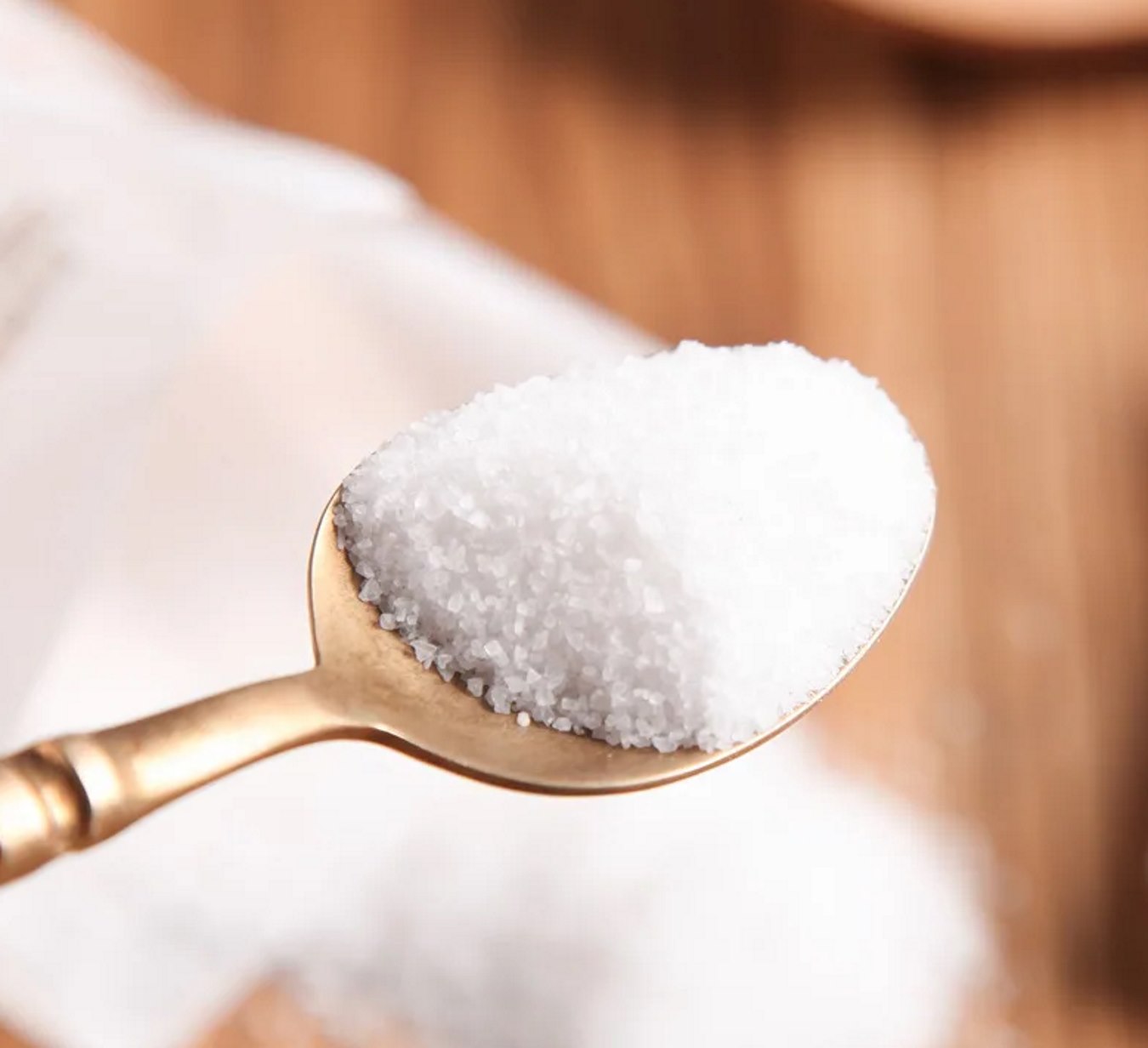
Salt is not produced by the body on its own, but is very important in metabolic processes. Chlorine is needed for the synthesis of hydrochloric acid in the stomach, as well as other substances that are responsible for the breakdown of fat. And sodium ensures the correct functioning of the muscles and nervous system, it affects the condition of bones and the absorption of nutrients by the large intestine.
Salt participates in metabolic processes at the cellular level, thanks to it, tissues receive the necessary amount of elements. The sodium-potassium compound is responsible for the penetration of amino acids and glucose through the cell membrane.
In addition, edible salt has excellent antibacterial properties. It is an effective defender against harmful bacteria.
Another useful property of sodium chloride is that it enhances the taste of foods, contributing to an increase in the pleasure of their consumption and appetite.
The product is widely used in various fields. One of the most popular fields of application is cooking. Here salt is an important component of almost all dishes. It is part of meat and vegetable dishes, main dishes and desserts.
In addition, it is used to preserve products, both to give a special taste, and to preserve them until the next harvest. Sodium chloride kills bacteria, so that salted food remains suitable for consumption for a long time.
Abuse of food salt can lead to unpleasant consequences. Excess sodium chlorine contributes to increased blood pressure, the development of kidney and cardiovascular diseases. It leads to headaches, swelling, and in addition, to the malfunction of the nervous system.
You need to understand that salt itself is not toxic, but with it, as with any other substance, you should not overdo it.
Try to maintain a balance and do not consume salt less or more than the daily norm.



Pastel de nata – the main Portuguese sweet, a cake with a basket of puff pastry with custard. Most Portuguese pastries are made exclusively from yolks. The reason for this is the era of great geographical discoveries. Back then, Portugal had the best fleet in the world, and it took a lot of egg whites to whiten the sails of all the ships, and the yolks were left out of business. So that the product was not lost, they went their own way and began to widely use egg yolks in cooking. Recipe pastel de Nata was invented in the 18th century by monks at the Jerónimos monastery. And still there is an establishment near the monastery where they sell those cakes, the recipe of which is kept in the strictest secret. However, pate de Nata began to be reproduced throughout the country and now they are served in many places. And every year there is a competition for the best pate de Nata.