Russian cuisine is diverse, hearty, and reflects the vastness of the country’s geography and cultural influences. It is characterized by its reliance on staple ingredients like grains, root vegetables, and meats, as well as its emphasis on preserving methods. Traditional Russian meals are known for their abundance, with soups, stews, and hearty dishes taking center stage. The cuisine is a blend of Slavic, Baltic, Siberian, Caucasian, Central Asian, and Eastern European influences.
History of Russian Cuisine
Ancient Roots: Russian culinary traditions have deep roots in the agricultural practices of ancient Slavic tribes. Grains, particularly wheat and barley, were staple foods.
Mongol-Tatar Influence: The Mongol-Tatar invasion in the 13th century introduced new ingredients like rice, spices, and various cooking techniques. Russian cuisine adapted by incorporating these influences.
Tsarist Era: During the Tsarist era, Russian cuisine saw the introduction of more elaborate and refined dishes influenced by French and European cuisines. The aristocracy embraced French culinary styles, leading to the creation of dishes like beef stroganoff.
Soviet Period: The Soviet period brought changes to Russian cuisine due to economic factors. Convenience foods became more prevalent, but traditional dishes like borscht and pelmeni remained popular.
Post-Soviet Era: With the dissolution of the Soviet Union, there has been a revival of interest in traditional Russian cuisine. Chefs explore regional variations and incorporate modern cooking techniques.
Commonly Used Ingredients in Russian Cuisine
Buckwheat (Gretchka): A staple grain in Russian cuisine, buckwheat is used in kasha (porridge) and various side dishes.
Potatoes: Versatile and widely used in Russian dishes, potatoes are a key ingredient in soups, stews, and side dishes.
Cabbage: Both fresh and fermented cabbage play significant roles in Russian cuisine. Cabbage is used in soups like shchi and as a main ingredient in dishes like golubtsy (stuffed cabbage rolls).
Beets: The vibrant color of beets is a common sight in Russian cuisine. Borscht, a beet soup, is a classic example.
Carrots: Carrots are used in a variety of Russian dishes, adding sweetness and color. They are commonly found in soups and stews.
Meat (Beef, Pork, Chicken): Meat is a fundamental component of Russian cuisine. It is used in various forms, from hearty stews like beef stroganoff to grilled shashlik.
Fish: With access to rivers and the Baltic Sea, fish is an important protein source. Salted and smoked fish are popular, as seen in dishes like shuba salad.
Dill: A ubiquitous herb in Russian cuisine, dill adds a fresh and aromatic flavor to many dishes, including soups, salads, and sauces.
Sour Cream (Smetana): A staple condiment, sour cream is often drizzled over soups, blini (pancakes), and other dishes, providing richness and tanginess.
Mushrooms: Foraged wild mushrooms, such as porcini, play a significant role in Russian cuisine. They are used in soups, sauces, and various main dishes.
Popular Dishes in Russian Cuisine
Borscht: A hearty beet soup, borscht is often made with meat, cabbage, and root vegetables. It is served hot or cold, with a dollop of sour cream.
Pelmeni: Dumplings filled with minced meat, usually beef or a mixture of pork and beef. They are typically served with butter or sour cream.
Shchi: A cabbage soup that can be prepared with various additional ingredients like meat, mushrooms, or sauerkraut.
Beef Stroganoff: Sliced beef in a creamy mushroom sauce, typically served over rice, pasta, or mashed potatoes.
Olivier Salad: A festive salad made with boiled potatoes, carrots, peas, pickles, and mayonnaise. Often served during holidays.
Piroshki: Small, baked or fried buns filled with a variety of ingredients, such as meat, cabbage, or potatoes.
Kotleti: Russian-style meat patties, usually made with ground meat, breadcrumbs, and seasonings. They are pan-fried and served with a side dish.
Shashlik: Marinated and grilled skewers of meat, commonly enjoyed during outdoor gatherings.
Solyanka: A hearty and sour soup made with various meats, pickles, olives, and sometimes mushrooms.
Golubtsy: Cabbage rolls stuffed with a mixture of ground meat and rice, often served with a tomato sauce.
Pirog: A traditional Russian pastry, often sweet, filled with fruits, berries, or jams.
Kasha: A porridge made from various grains, with buckwheat kasha being a popular and nutritious choice.
Kholodets: A cold meat jelly made from pork or beef, usually served with mustard or horseradish.
Medovik: A layered honey cake, with sweetened sour cream between the layers.
Shuba Salad: A layered salad made with beets, potatoes, herring, carrots, and mayonnaise, often served during celebrations.
Vegetable juices, thanks to the abundance of vitamins, deservedly occupy a place of honor on the Russian table. No worse than vegetables, they are able to enrich the diet with trace elements and protect against a number of diseases, especially in winter and spring, when our immune system needs additional support. A huge amount of mineral and vitamin substances is contained in pumpkin juice.
We all know about the incredibly useful and even healing properties that a product such as freshly squeezed juice has. We all want to be healthy and beautiful. Include fresh juices in your diet, and you will feel a surge of energy and vitality!
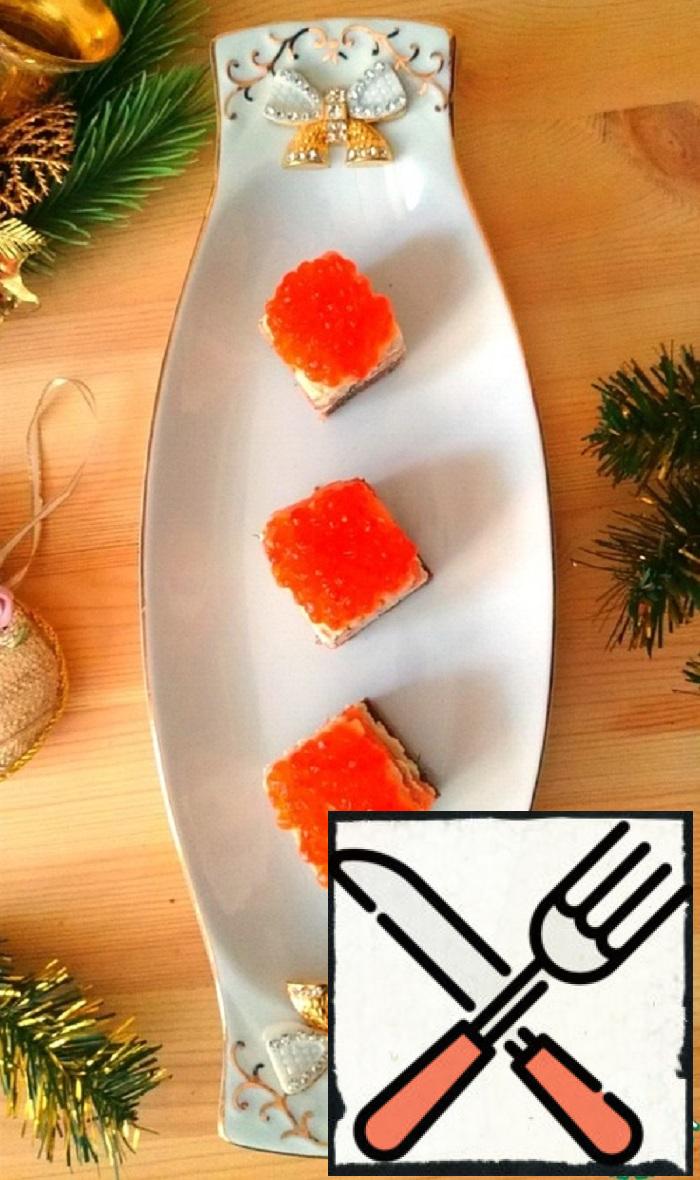
A Christmas feast is unthinkable without sandwiches with red caviar. Lovers of this delicacy, of course, will like any form of serving. See what an interesting option I liked.
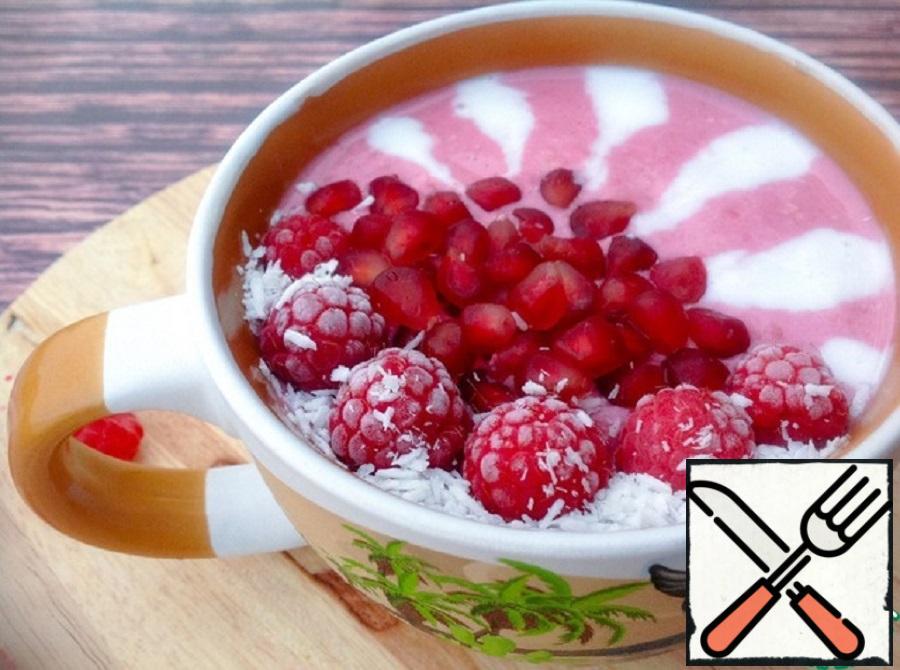
A great option for breakfast. This is the same version of a smoothie, only poured into a plate and decorated with a nutritious sprinkle. It is thicker, so drinking it through a straw will not work. To prepare this wonderful breakfast, you only need a blender and 5 minutes of your time!
I love charlotte, my favorite combination of apples with cinnamon, so smoothies with baked apples, cinnamon, honey and oatmeal create a unique taste of my favorite dish.
I belong to the category of people who do not like a hearty breakfast. But I like to drink cocktails with great pleasure. I want to share with you one of my favorite drinks. Delicious, satisfying and nutritious. Just five minutes, and breakfast is ready!
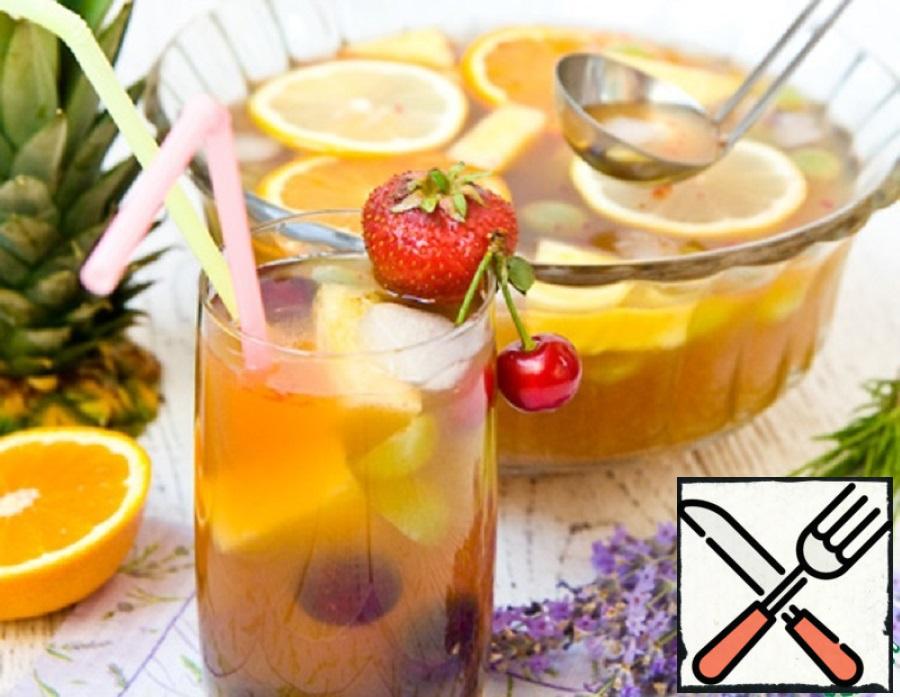
Punch is primarily an alcoholic drink containing fruit or fruit juice. Traditionally, it is served at parties in large wide bowls. But today I suggest you try a non-alcoholic punch with slices of fresh fruit, which is suitable not only for a party, but also perfectly cool a hot summer day.
Catalan sweets – Catànies, a brand invented half a century ago by Catalan pastry chef Joseph Coudier. Since I didn’t have almonds on hand, I successfully replaced them with hazelnuts. The candies, I must say, are amazing! Hand and reaches for the next one.
Sweets “Iris”. In my opinion, it tastes more like iris. My husband said “Cow” for sweets. It is done simply. You can sometimes pamper yourself and the children) we miss the toffee, the “cow” that we make ourselves. Maybe it will even be useful to someone))