In culinary and household terms, sugar is called sucrose – an ordinary food sweetener that is obtained by processing sugar cane or sugar beet.
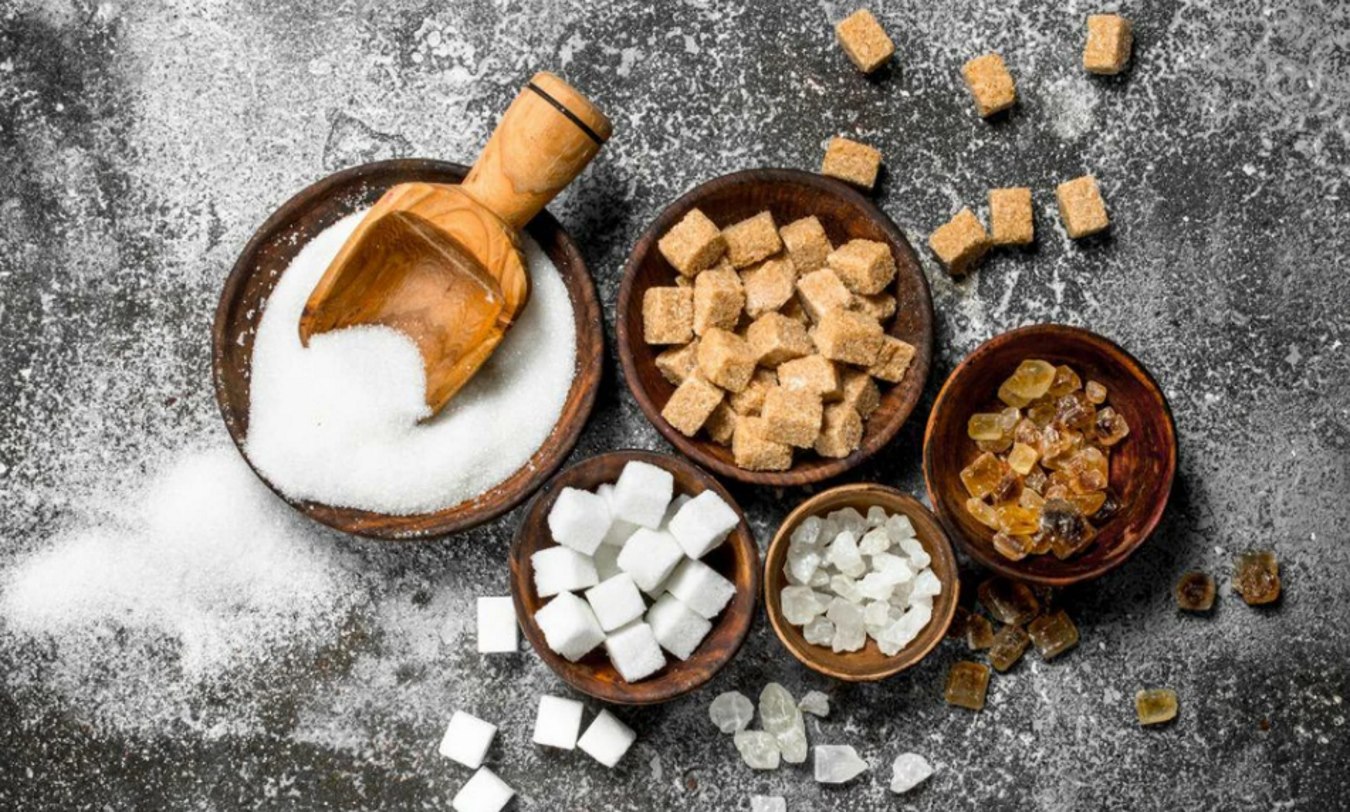
The white color of sugar is achieved during refining, but at the same time its individual crystals remain colorless. Many varieties of sugar contain different amounts of vegetable juice – molasses, which gives the crystals different shades of white color.
Sugar is an indispensable ingredient in many drinks, dishes, confectionery and bakery products. It is a familiar additive to coffee, cocoa and tea; confectionery creams, ice cream, icing and sweets cannot do without it. As a good preservative, white sugar is used in cooking jam, making jelly and other products from fruits and berries. Today, white sugar can be found almost everywhere, even where it is not expected to be found. For example, it may end up in low-fat diet yogurt or sausages, as well as in the manufacture of canned meat.
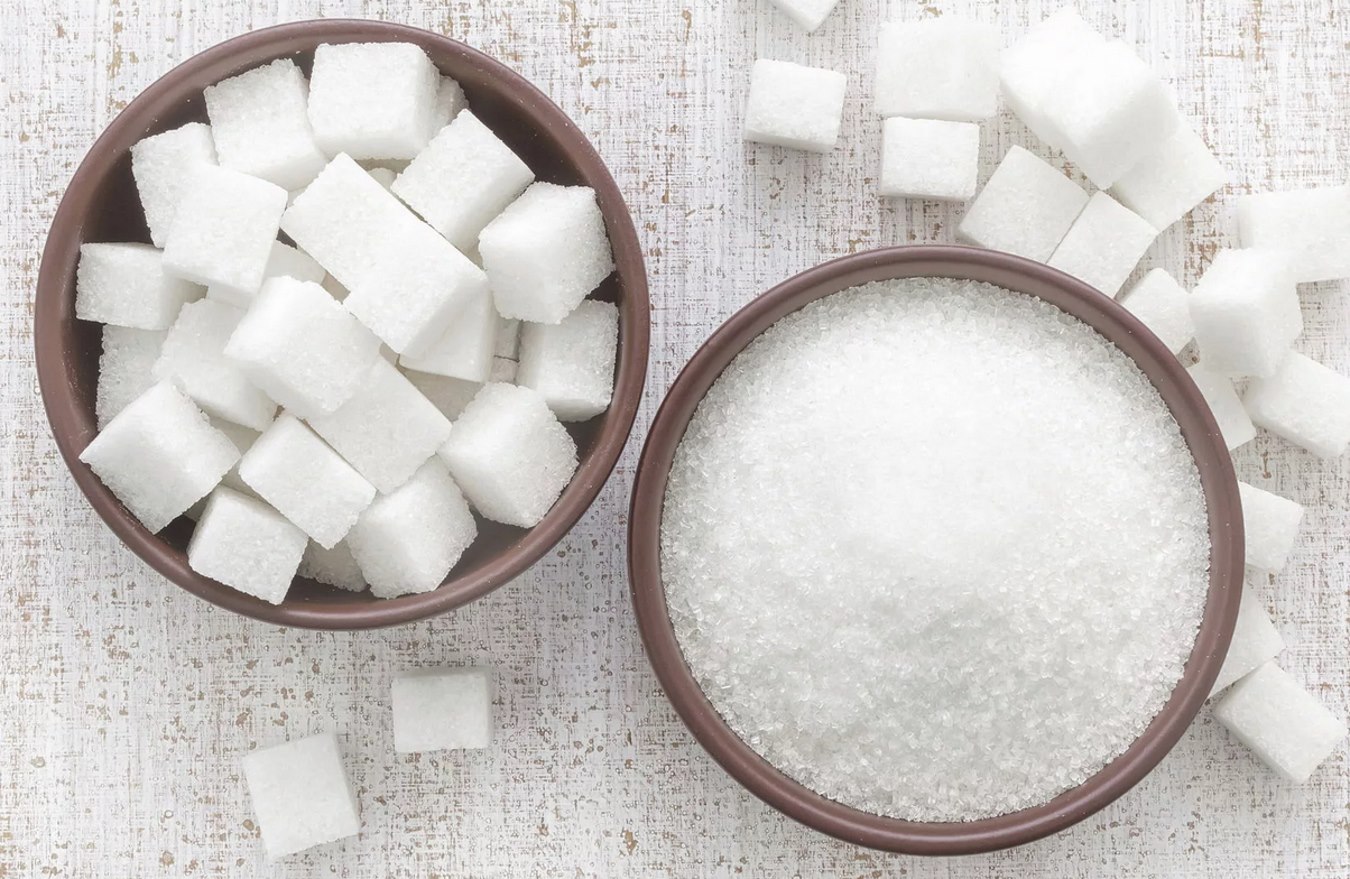
White sugar on sale is in the form of granulated sugar and refined sugar in pieces. Granulated sugar is packed in bags of different capacity, usually from one to fifty kilograms. Dense polyethylene bags are used, inside of which a film is additionally stretched to protect the contents from moisture and the spillage of crystals. Refined products are packed in cardboard boxes. The high hygroscopicity of white sugar causes certain requirements for its storage. The room where the product is located must be dry, protected from temperature fluctuations. Storing it at high humidity will lead to the formation of lumps. Sugar has the ability to absorb foreign odors, so you should not keep it near products with strong flavors.
White sugar is very high in calories – almost 400 kcal per one hundred grams of the product, and its composition consists entirely of carbohydrates. Therefore, when dieting, it is recommended to limit the use of this product in its pure form (for sweetening coffee or tea) and in the form of various sugar-containing drinks, cakes, cookies, etc.
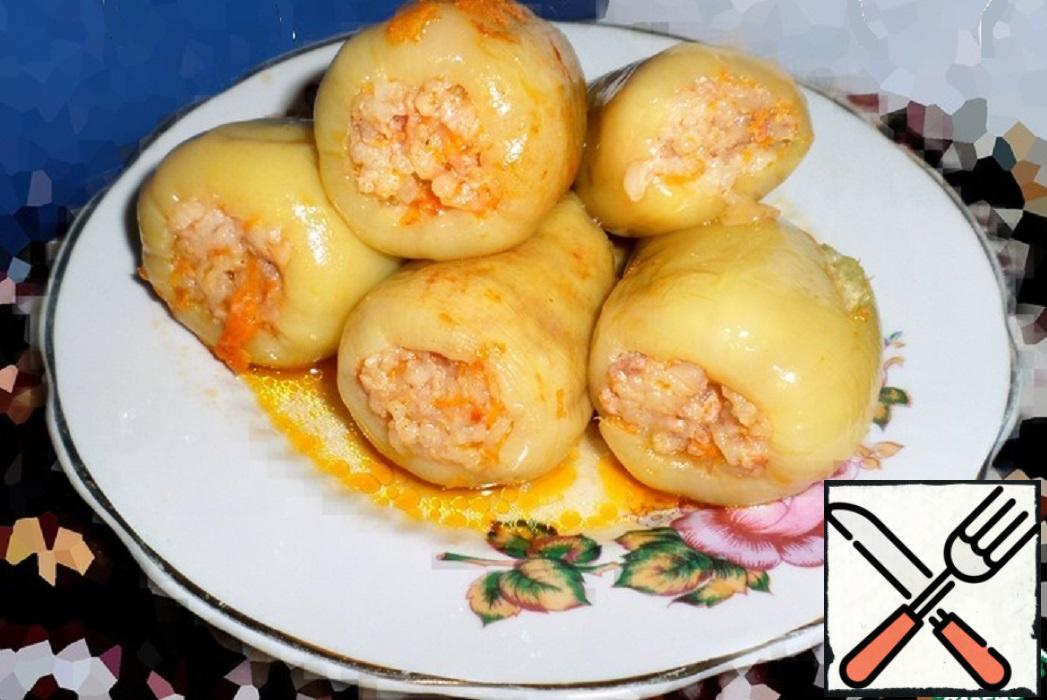
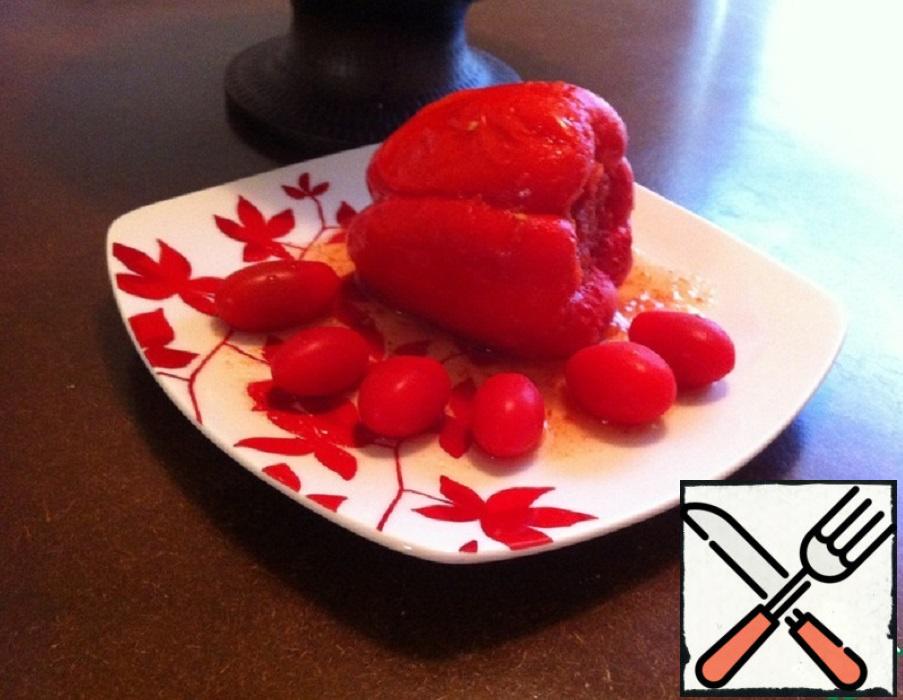
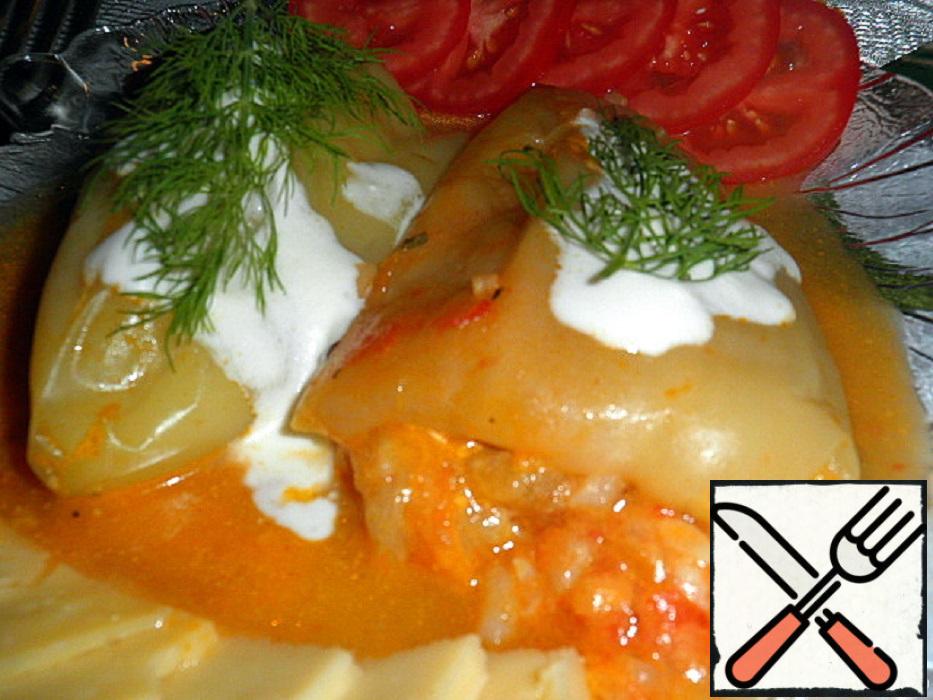
Stuffed peppers are my favorite dish. I want to share with you, dear cooks, our family recipe for its preparation. That’s how my grandmother, my mother cooked, and now I’ve learned. I must say right away that a 10-liter saucepan is stuffed with pepper for 7 hungry mouths. You can reduce the amount of all ingredients.
This is not only delicious, but also a healthy and dietary dish! I learned about this recipe from my mother-in-law when I came to visit her. I love vegetables in any form, I really like them, but I could not imagine such a combination! Very, very tasty! And most importantly, it is useful for both children and adults. Maybe as an appetizer, as a main course. I highly recommend it to everyone!
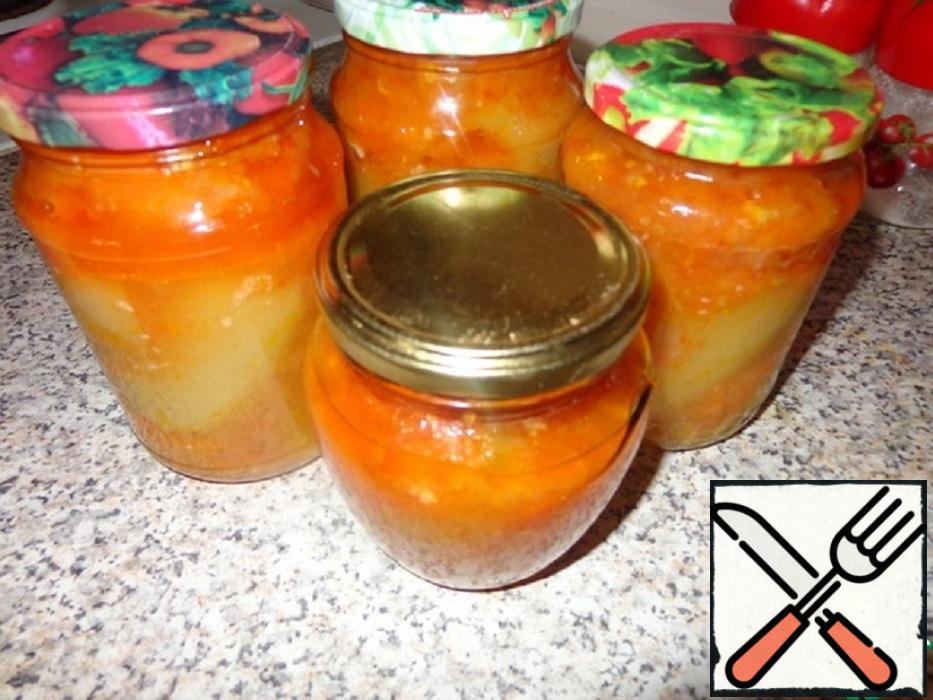
It is eerily similar to Bulgarian pepper in all its manifestations. Previously, they always made pepper with mom, then over time, all sorts of new preparations appeared and we forgot about it. Recently, a guest served pickles on the table, among which were stuffed peppers, onions and carrots, I almost ate one jar.. couldn’t stop.
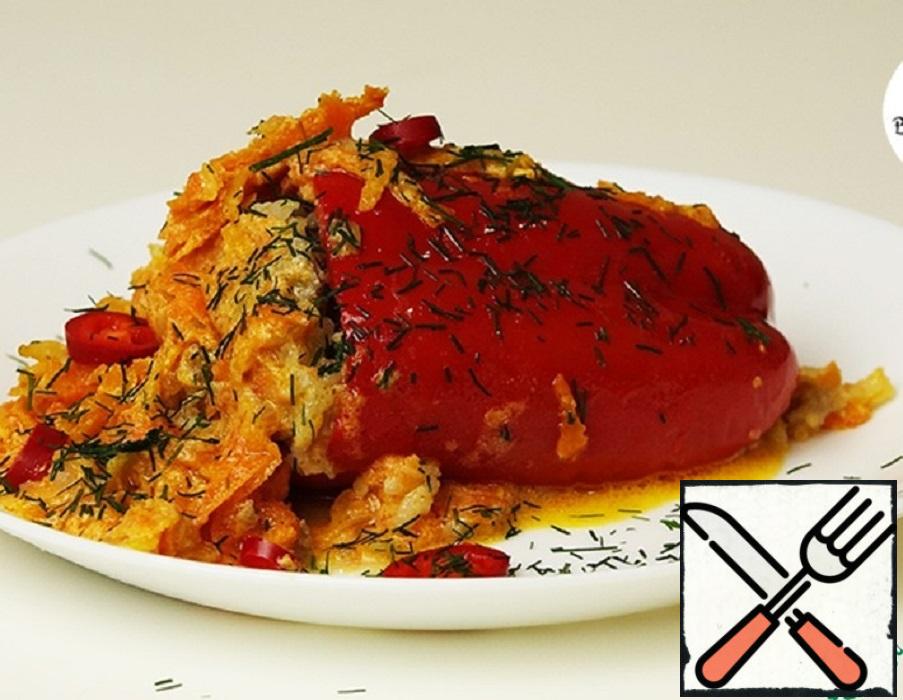
I decided to deviate a little from the standards of filler for stuffed peppers… and instead of rice, add potatoes!))) Very unexpected… in the finished form, the most delicate filling turned out.
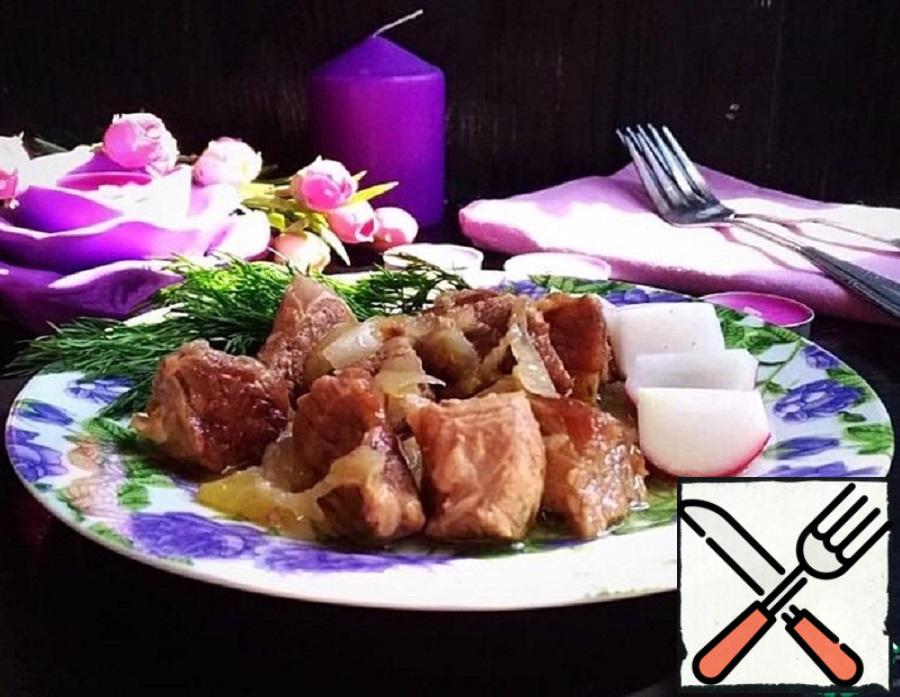
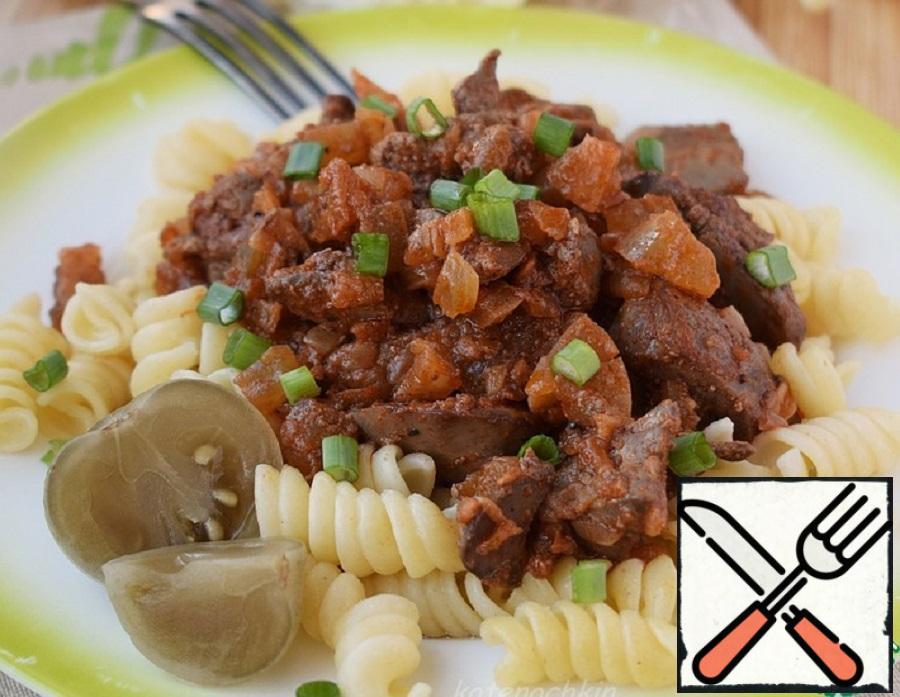
I love and often cook liver with pickled or lightly salted cucumbers. This time I decided to try it with green salted tomatoes. It turned out very tasty!
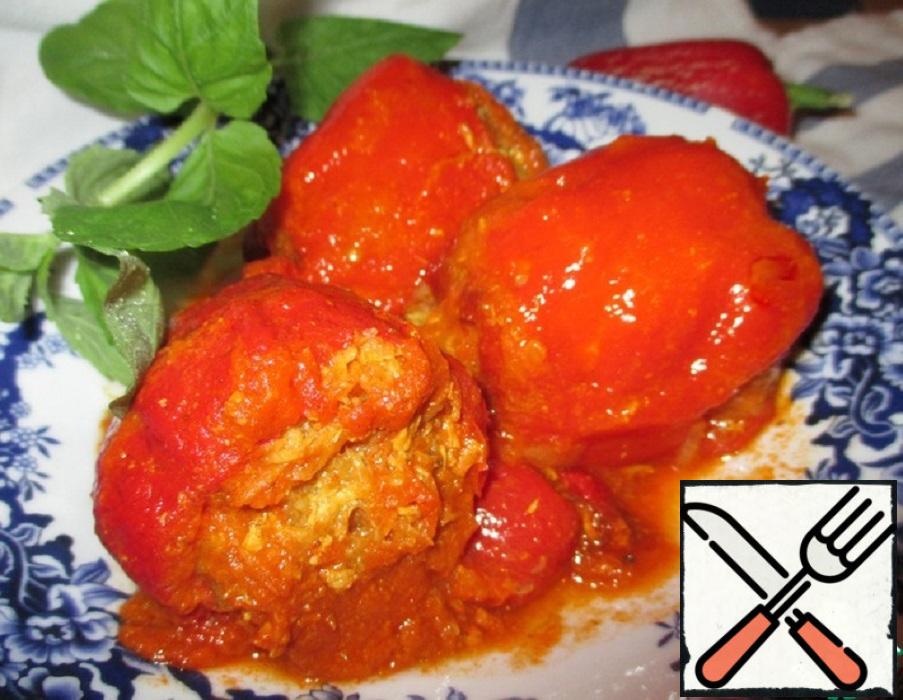
Stuffed peppers I can eat every day… Why I know a lot of recipes for cooking stuffed peppers. But this is probably the most favorite. This pepper was always cooked by my grandmother. She cooked it exclusively in the oven and called it “sweet” for the delicate creamy and slightly sweet taste of the gravy. I cook this dish in the oven. Like my grandmother, of course not, but still sooo delicious!
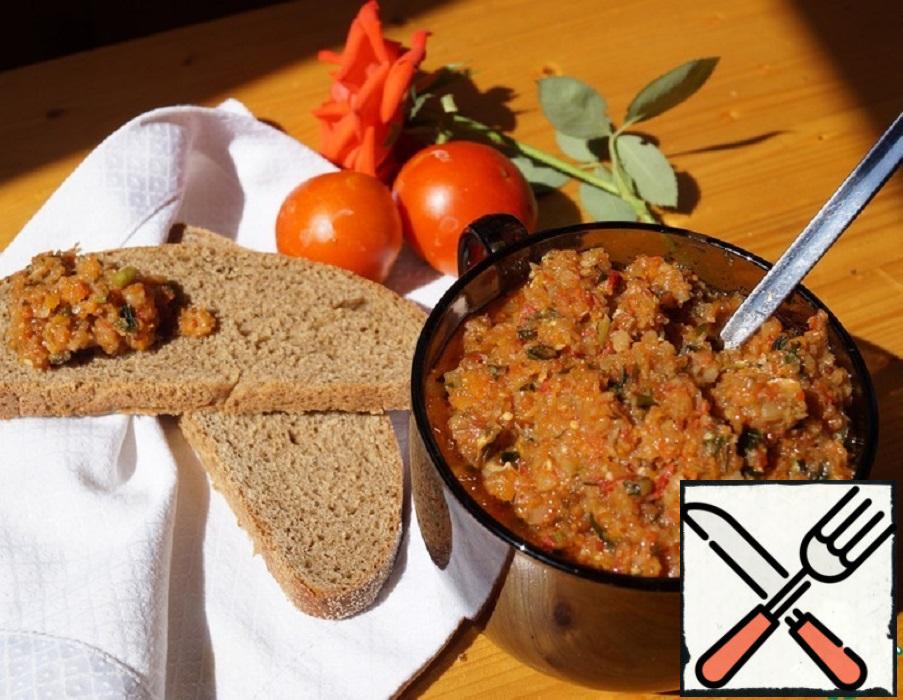
In autumn, when the harvest pleases with an abundance of vegetables, I often cook such caviar. Juicy, moderately spicy, perfect as a side dish for meat and fish, and just for a slice of bread – great! Cooking is very simple and fast. A light, low-calorie snack.