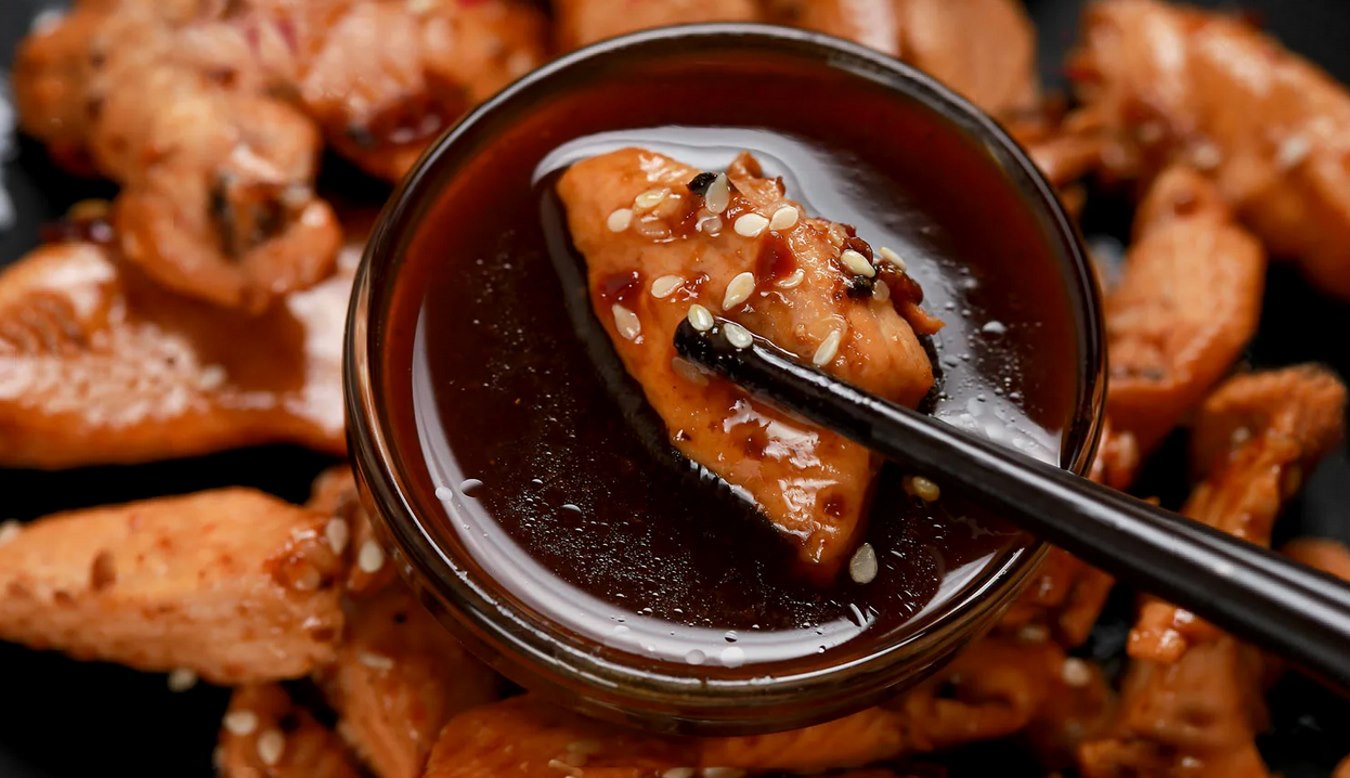
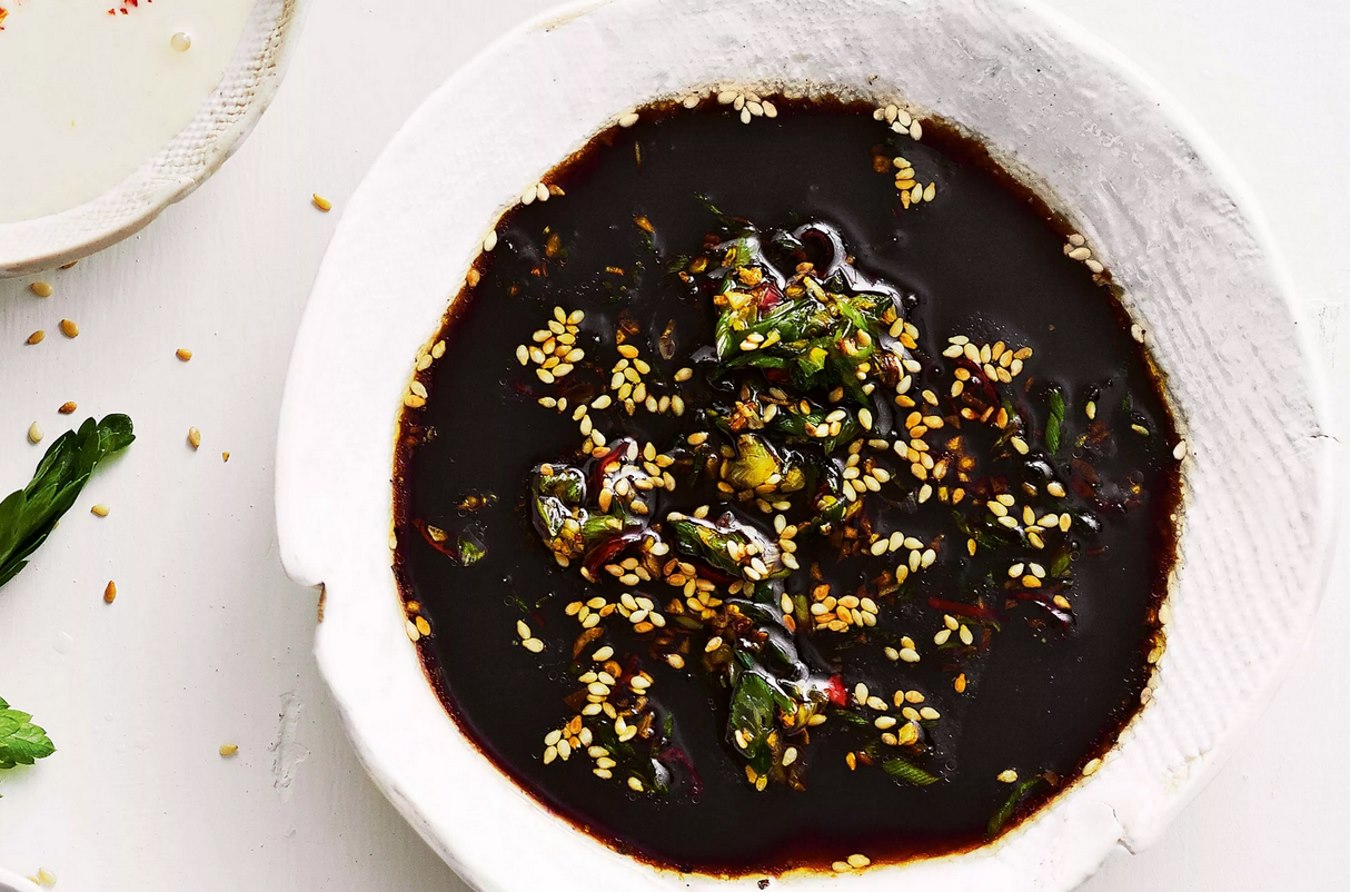
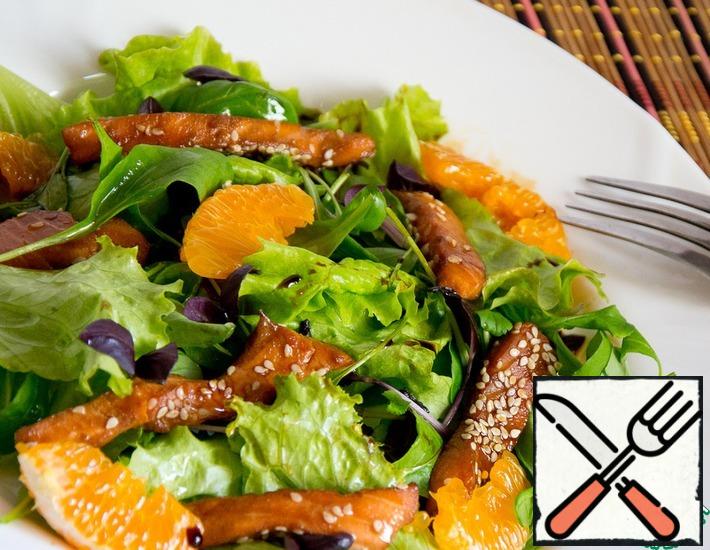
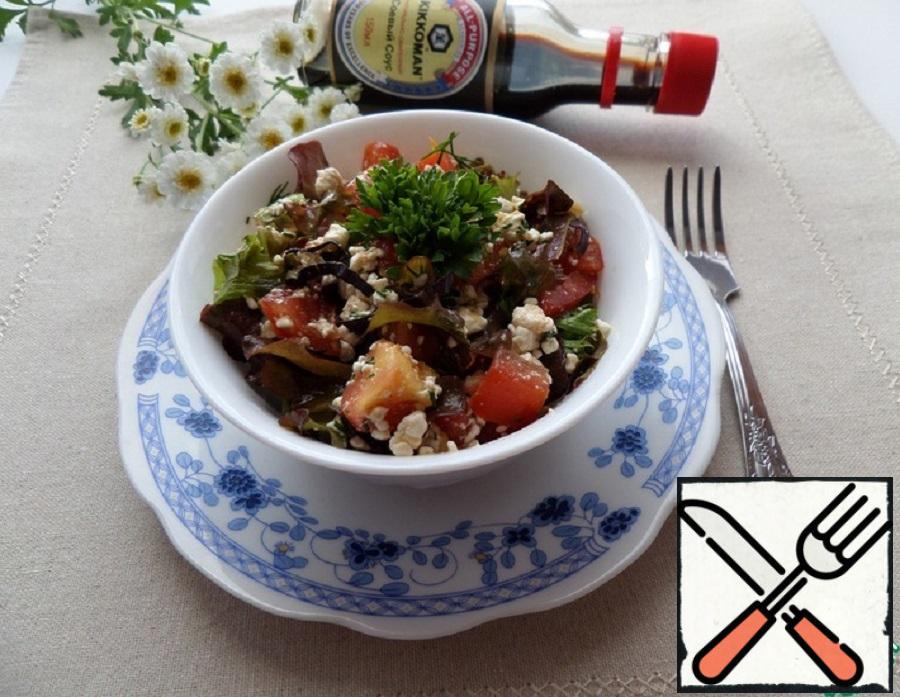
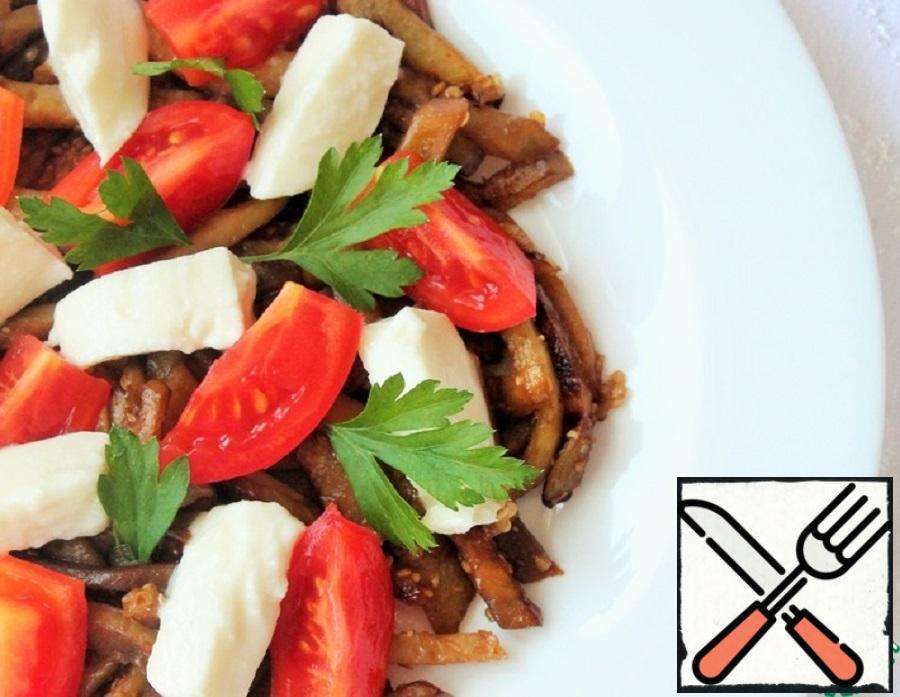
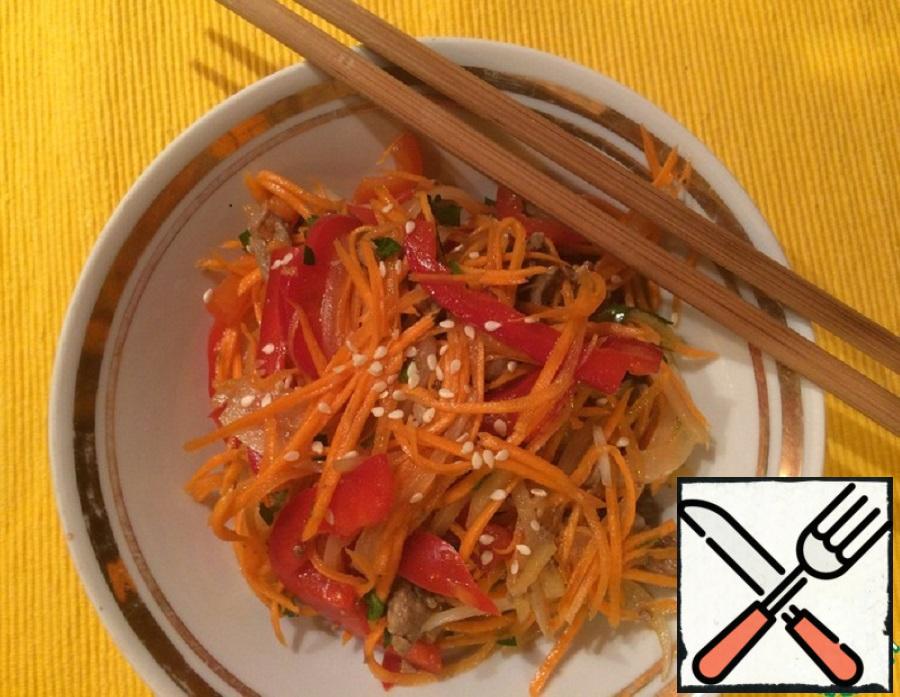
Thanks to its excellent taste and amazing versatility, soy sauce is now popular all over the world. It is used everywhere – from marinating meat to cooking unusual Asian desserts. This is a great base for salad dressings – especially when combined with lemon juice, mustard, aromatic spices and fresh herbs. You can marinate meat or chicken in it so that they are juicier, more tender and tastier. Dishes with soy sauce are baked with a beautiful golden crust. You can even make a crispy glaze from it, just by adding a little honey.
How to Use Soy Sauce?
Soy sauce is added to noodles, stewed vegetables, soups and wherever salt is needed. It is a natural flavor enhancer that has no analogues. Dark types are more saturated and concentrated, so they also give an expressive shade. Soy sauce is served with rice, rolls and sushi. Japanese, Chinese and Korean cuisine consists almost entirely of dishes with soy sauce. Other popular additives are also prepared on its basis – for example, unagi or teriyaki!
Types of Soy Sauce
There are two types of soy sauce — light and dark, which differ in the fermentation period. Dark sauce has a longer exposure, it is sharper, thicker and sharper, so it is used for marinating meat and served with sushi. Salads are seasoned with a saltier light sauce, light and pleasant to the taste, meat and fish dishes, seafood, rice, pasta and vegetable stews are watered.
It’s hard to say which soy sauce is the most delicious, because everyone has their own preferences, the most important thing is to choose a high—quality and healthy sauce. It is enough to remember a few rules — a good soy sauce is sold only in transparent glass bottles, and the product should contain the following ingredients: soybeans, wheat, salt, sugar and vinegar.
Real soy sauce is brown and at the same time transparent, there is no sediment in it, and the protein content is about 6-8%.
So imperceptibly, the exotic sauce has become one of the favorite condiments around the world, and its low calorie content has turned it into a popular dietary salad dressing instead of butter, sour cream and mayonnaise.
I’ve been meaning to cook stuffed onions for a long time! I found a suitable recipe in a book about Japanese cuisine, took it as a basis, changed it a little, and was very pleased with the result! When stewing, the onion absorbed the sauce and became juicy and delicious!
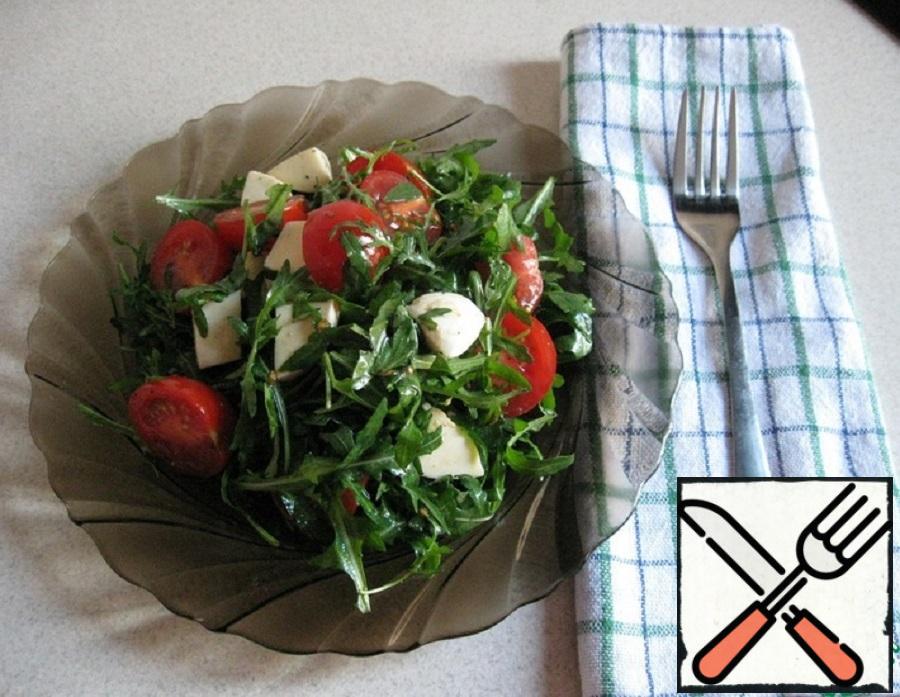
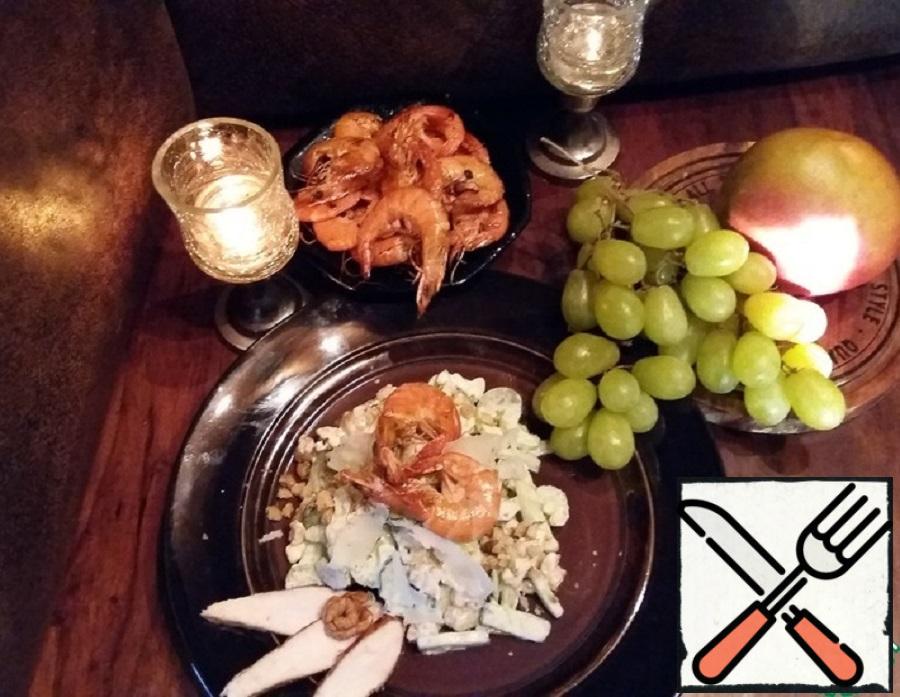
It is easier to list the advantages that arugula does not have. The ancient Romans knew about its healing properties. Here are just some of them: it has a beneficial effect on the gastrointestinal tract, fights pathogenic viruses and bacteria, increases the level of hemoglobin in the blood and has a restorative effect on the immune system. From all sides, the thing is useful. It goes especially well with cheeses. Let’s spend, literally, 5 minutes and prepare a light, hearty and very tasty salad.
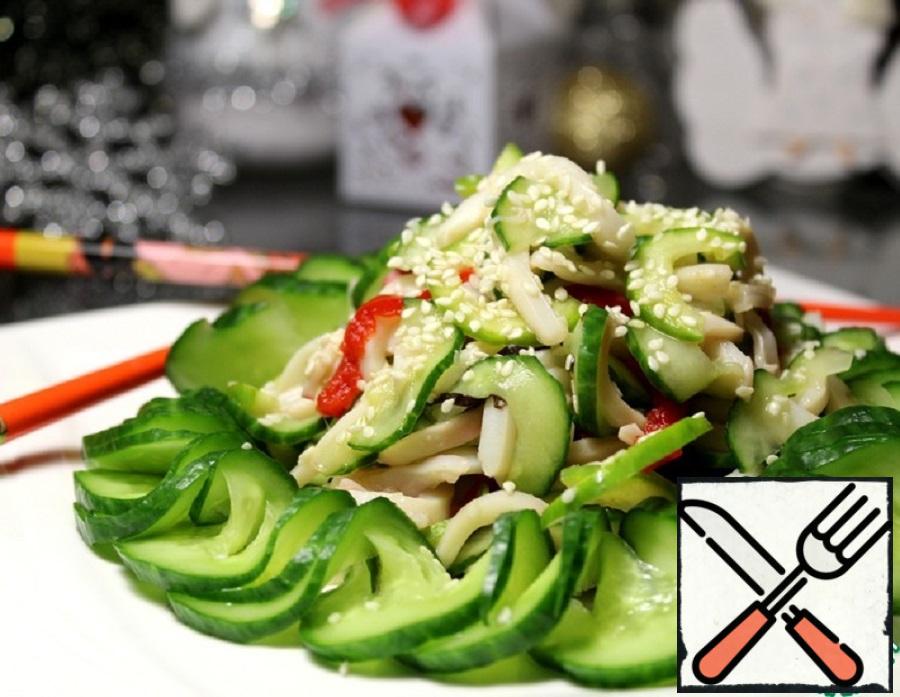
Japanese salad with squid and vegetables under a piquantly fresh dressing will always find a place on the festive table! Very light and refreshing, it will be a great addition to meat dishes and will appeal to those who watch their figure!
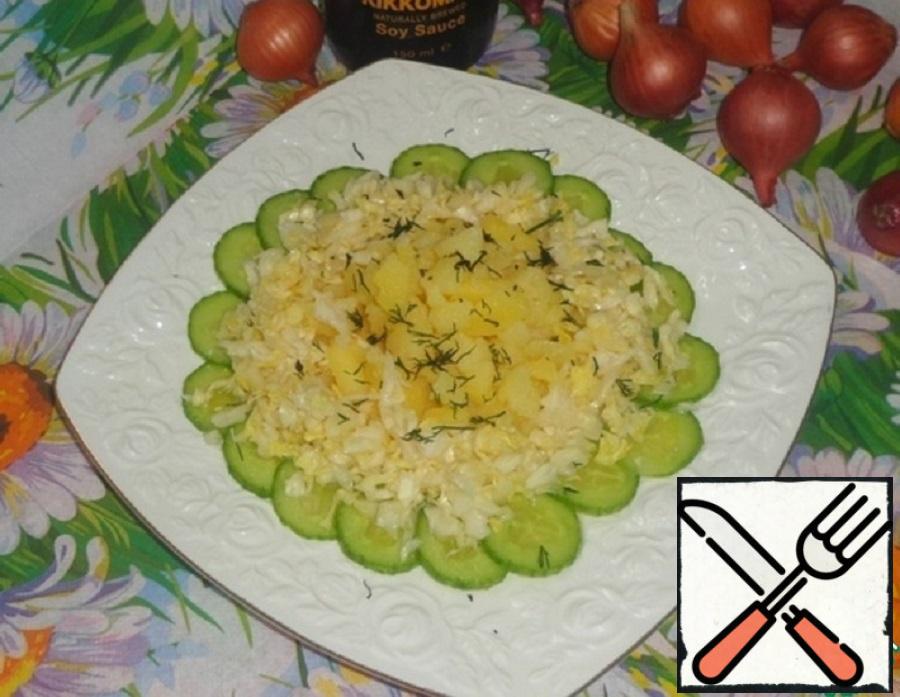
I want to offer a variant of a lean salad, in which potatoes are perfectly combined with vegetable oil, and cabbage – with spices and fresh cucumber. Light and nutritious salad.