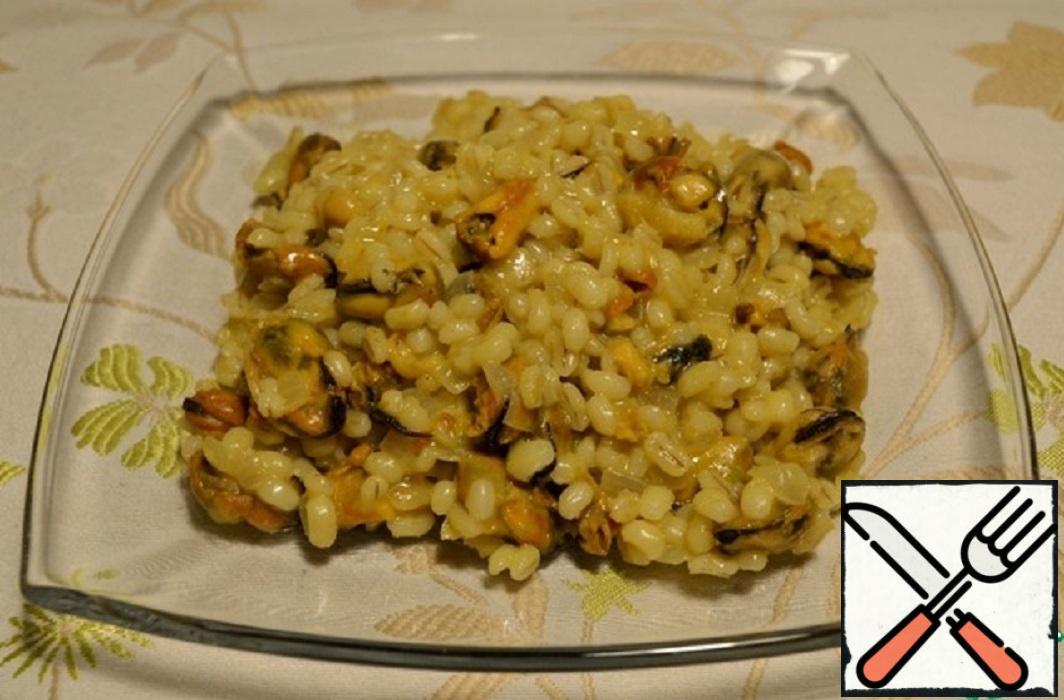
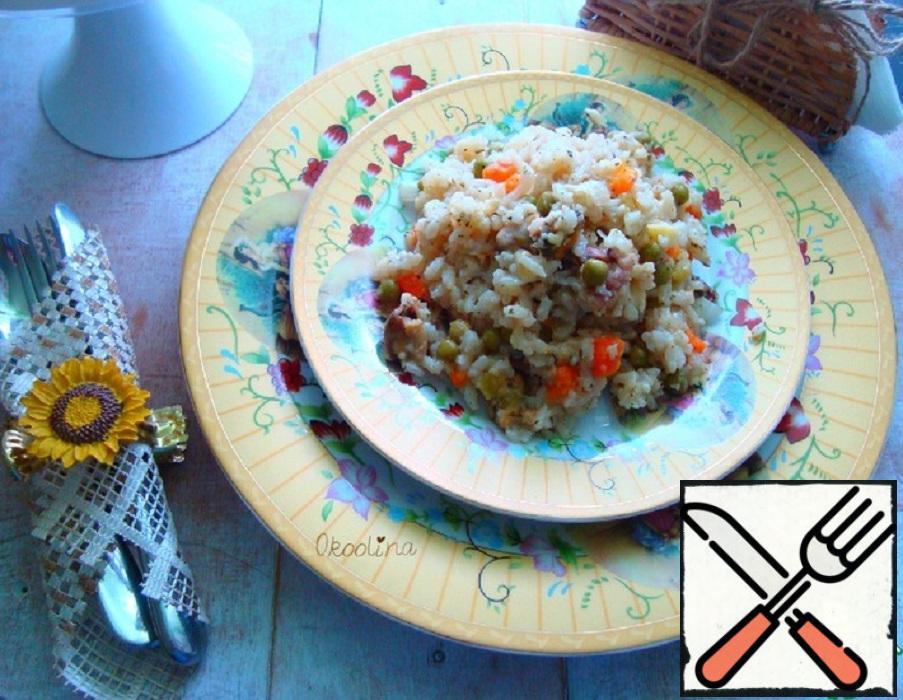
Risotto with mussels and squid, with vegetables in chicken broth. A hearty and delicious dish. The taste is vegetable, cheesy. I love to cook it, I recommend it to you.
Best Food Recipes 2023 Step by Step with Pictures
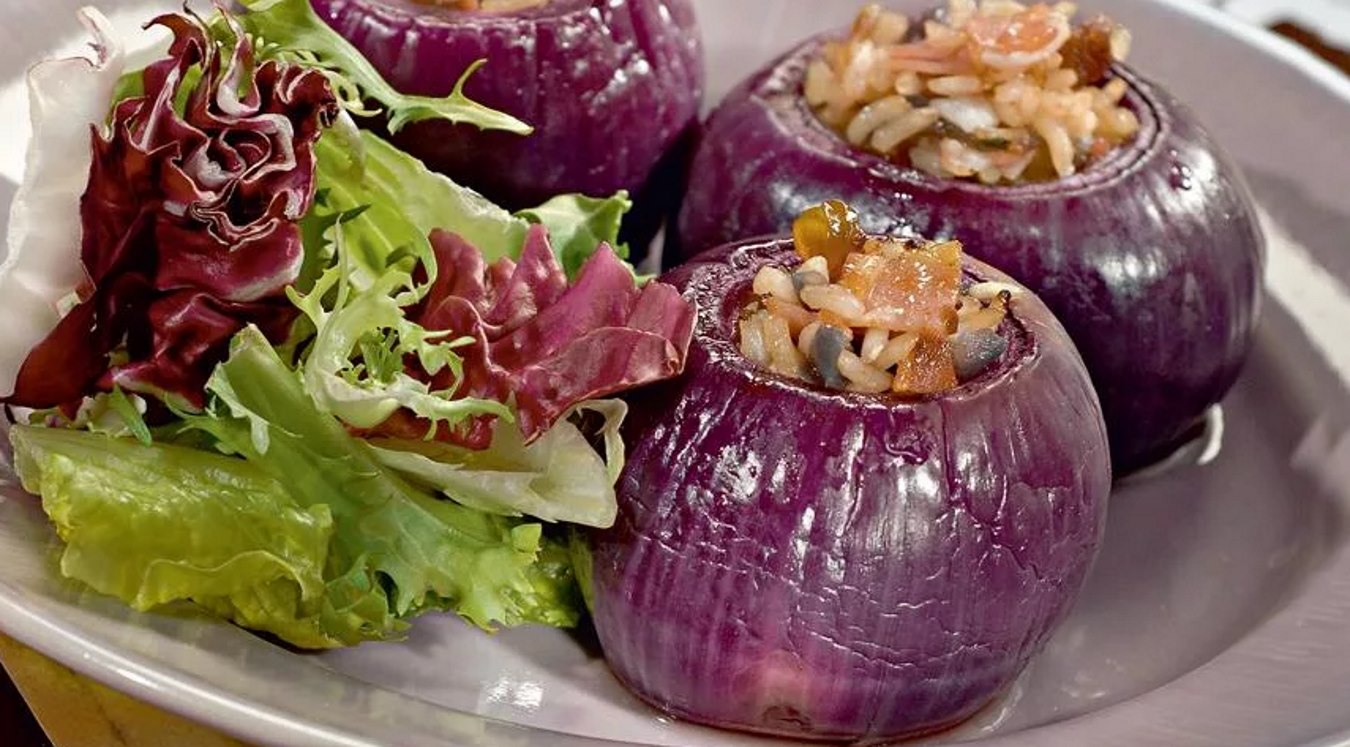
Onions in cooking are used in raw, boiled, fried, pickled and salted types. Although to preserve all the useful properties, minimal thermal exposure is recommended. Onions can be both a flavor seasoning for the main dish (and it is combined with meat, fish, rice, potatoes, flour products, cottage cheese, and other vegetables), and the basis of the recipe. Many national cuisines have their own “branded” culinary products, in which onions can be called a key ingredient: French onion soup, British onion pie, etc. There are some culinary tricks that will allow you to cook this product (or a dish based on it) as tasty as possible: If you add a little granulated sugar to the oil during frying, the onions will brown better. So that the chopped onion does not burn during sauteing, before sending it to the frying pan, you should roll the “straw” in flour. Then it will simply acquire a reddish hue. Onions can be added to minced meat not only to improve the taste, but also to extend the shelf life of the meat part. To get rid of onion bitterness in the manufacture of salads, raw onions are slightly scalded with boiling water, and hands and knife are smeared with wet salt.
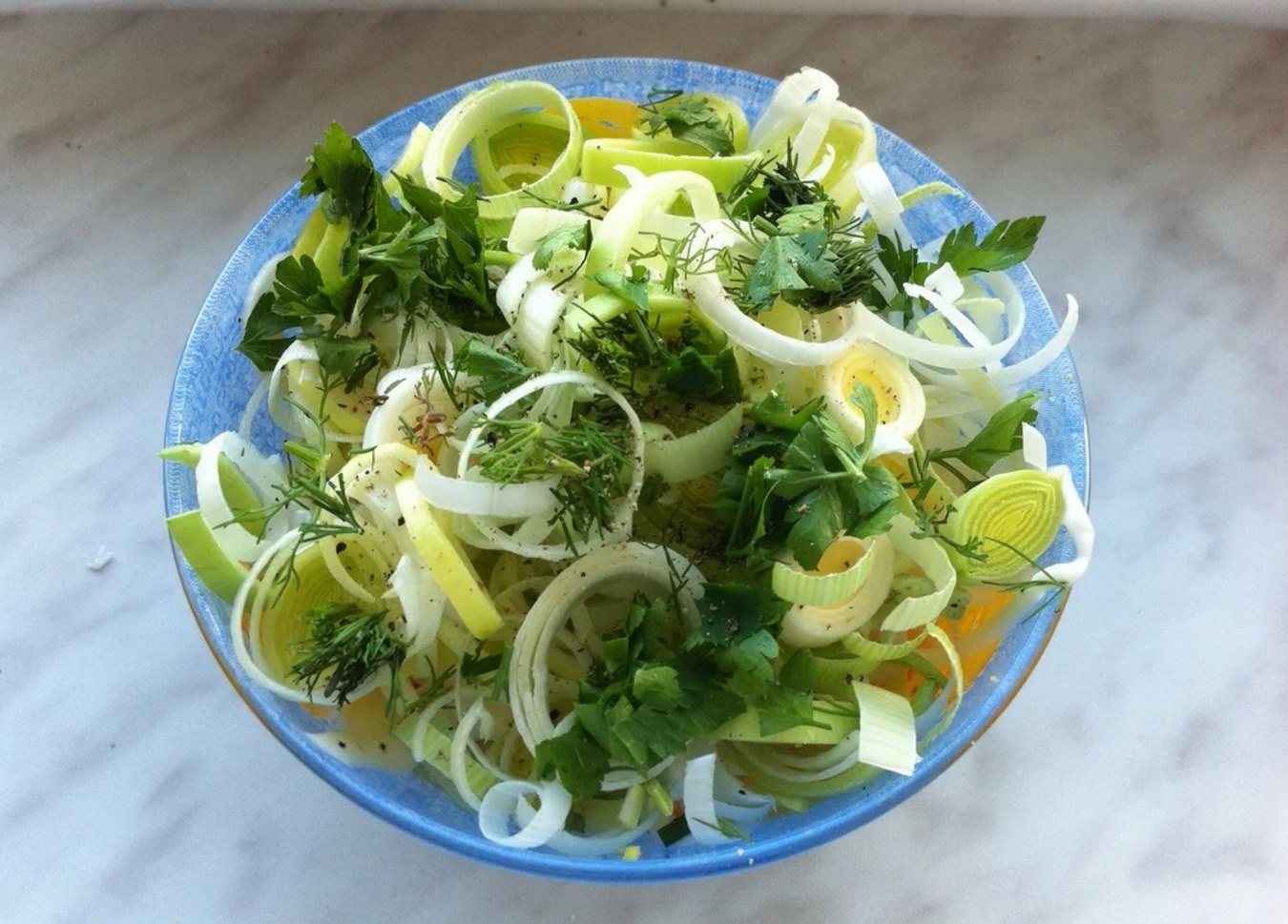
When choosing onions, preference should be given to dense clean heads, without damage, holes and stains. The sweetness-bitterness of a vegetable depends not only on the variety, but also on the length of daylight in the place of cultivation (southern onions are considered sweeter), the mineral content of the soil, the softness of the climate, the abundance of precipitation, etc. For example, with a large amount of annual precipitation, sulfur is actively washed out of the soil, which creates prerequisites for growing a sweeter vegetable. However, in general, it is believed that white varieties have a stronger flavor and are better suited for filling pies, red and purple ones have a sweet taste and are well combined in salads and marinades, and the Spanish variety is softer and sweeter, as well as onions with yellow–brown husks are better suited for frying.
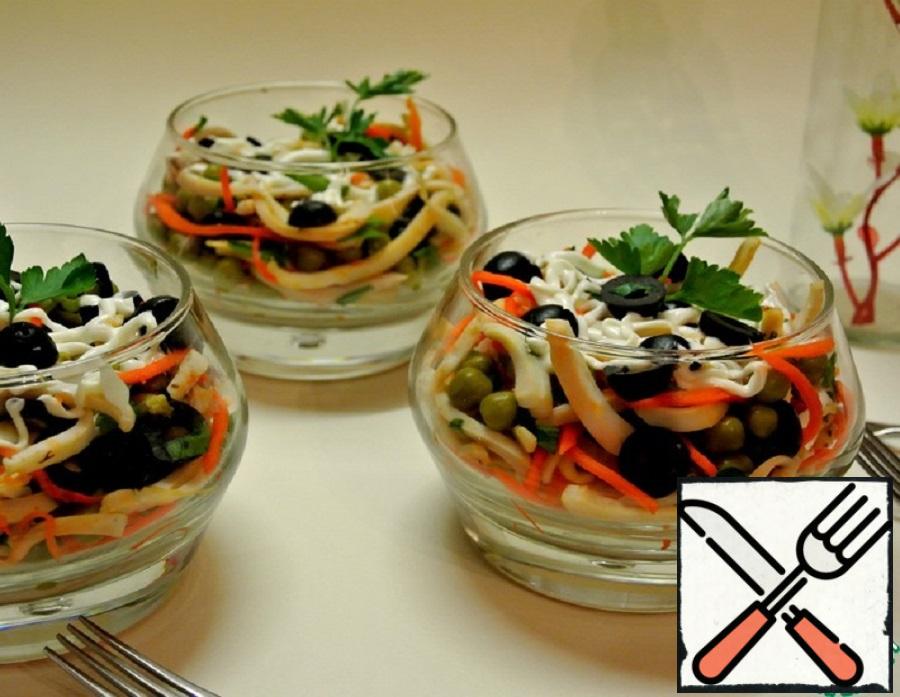
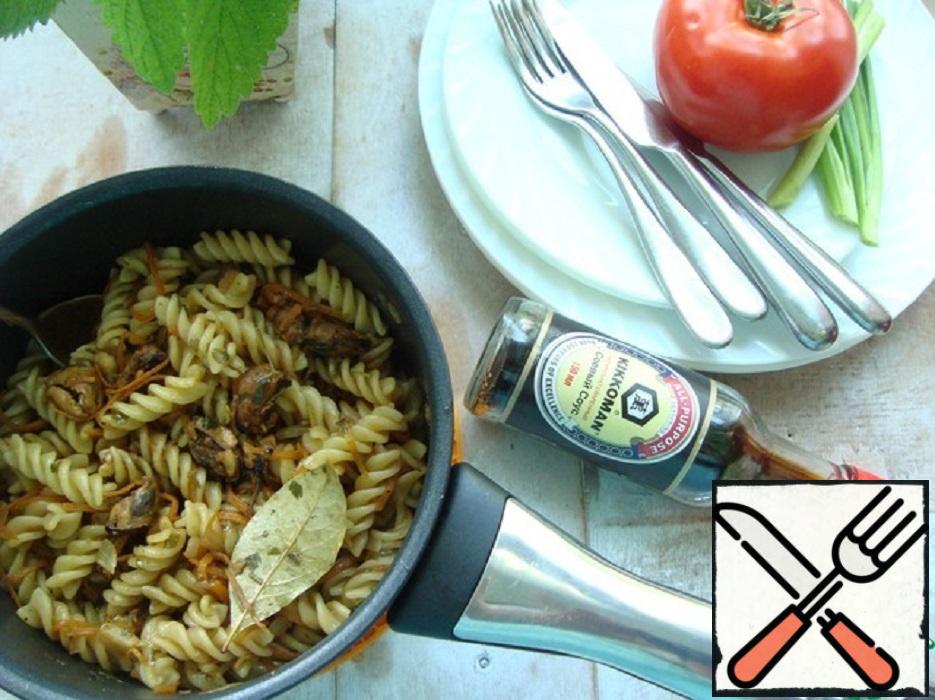
Mussels in soy sauce and balsamic, with onion and parsley and pasta of hard varieties. In summer, sometimes you want to eat something more satisfying and at the same time not very high in calories. I love mussels – a great product and healthy.
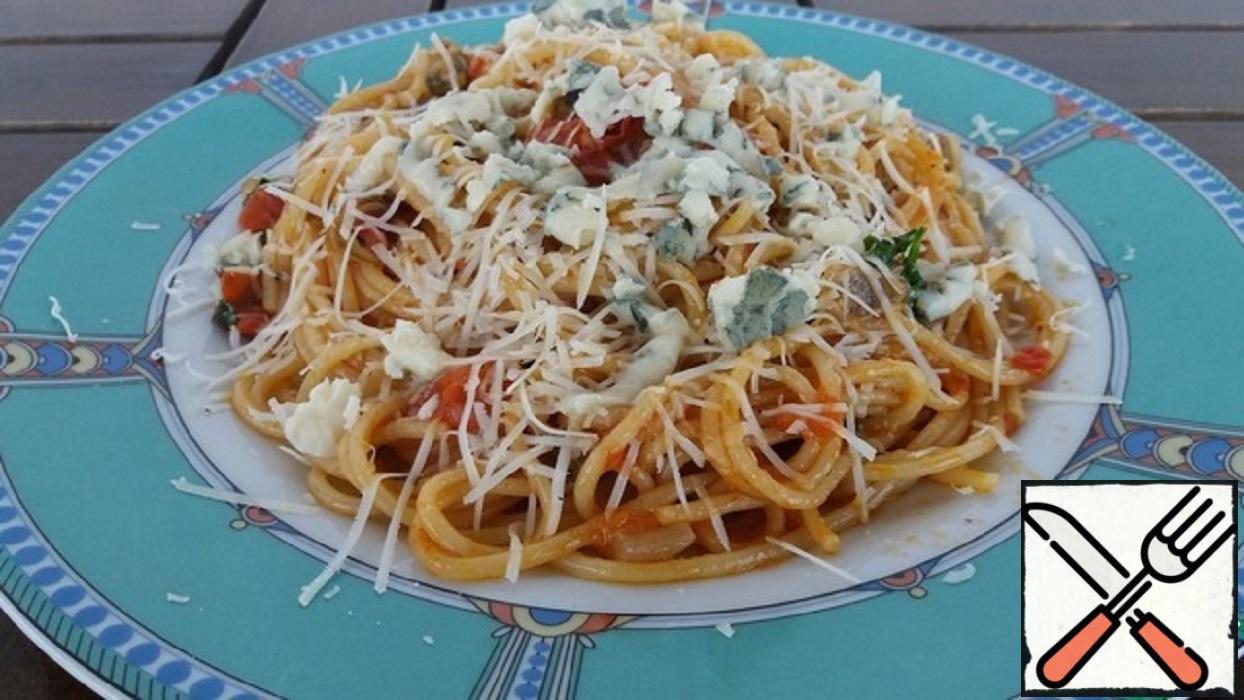
A recipe for those days when there is no time to cook dinner, there are very few products available. For me personally, this is an occasion to cook pasta or pasta, call it what you want. Pasta is an independent dish, but nothing is required for cheese, with different sauces or cooked in different sauces.
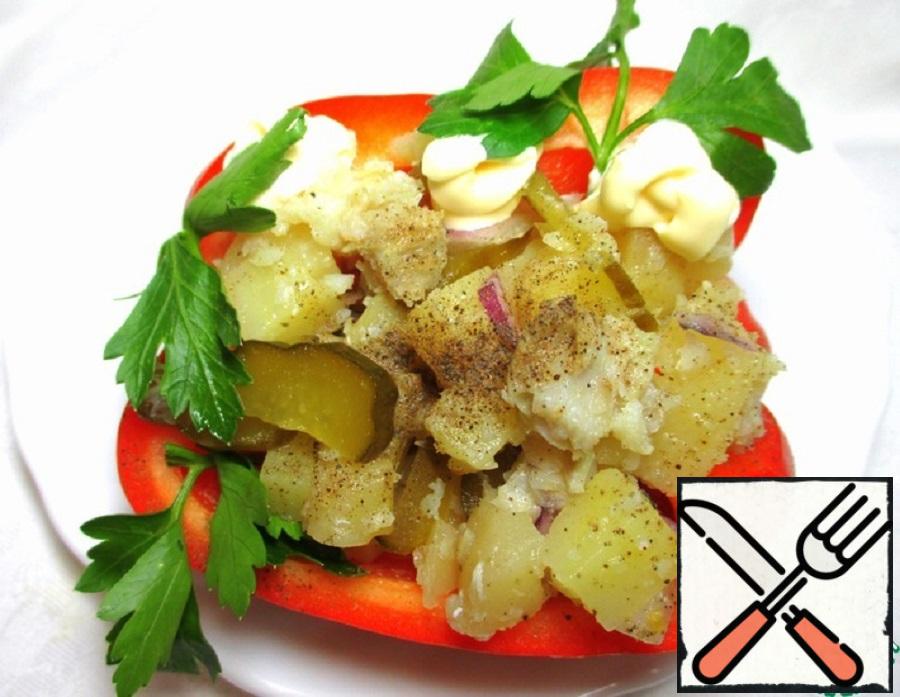
A very inexpensive, nutritious and light salad. It fits perfectly with a glass of hot :)) and in itself is also good. It’s easy to prepare. Very tasty salad!