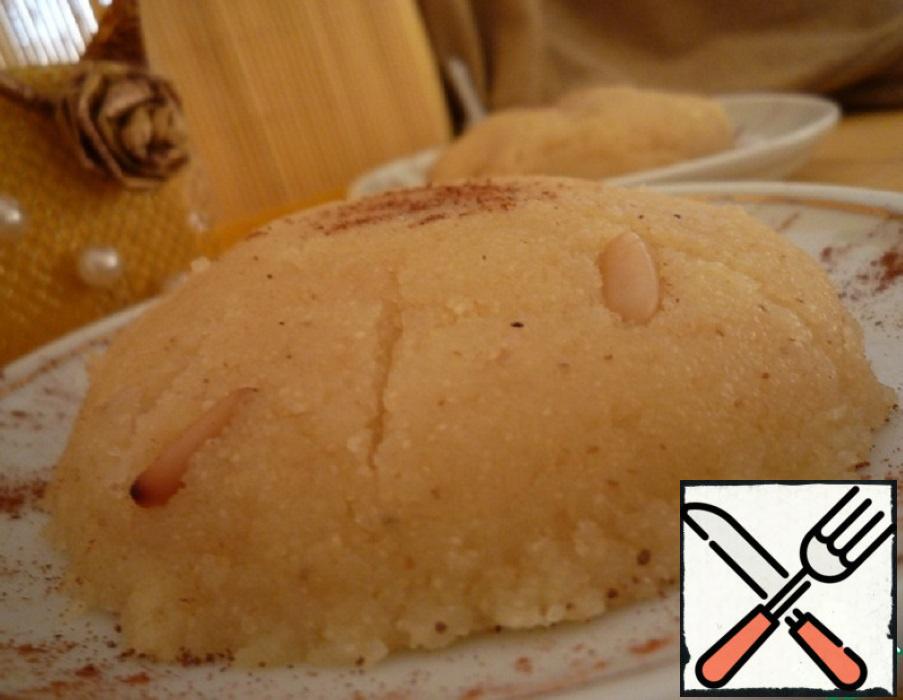
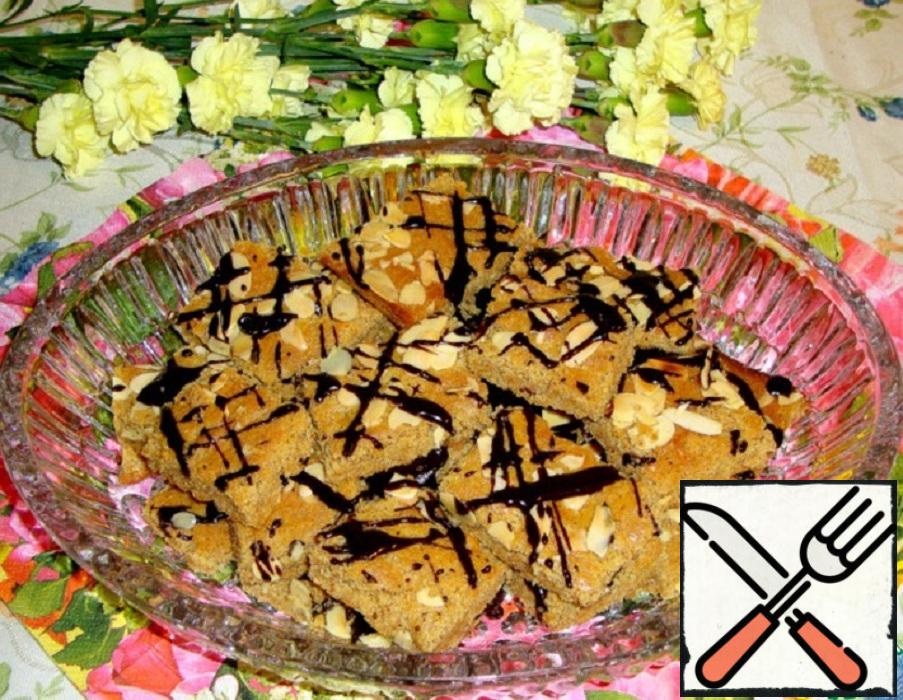
I finally made halva. I’ve wanted to for a long time, but all hands did not reach. And we have such a sign that if someone wanted halva, then it should be cooked. So no matter what, I did it.
Best Food Recipes 2023 Step by Step with Pictures
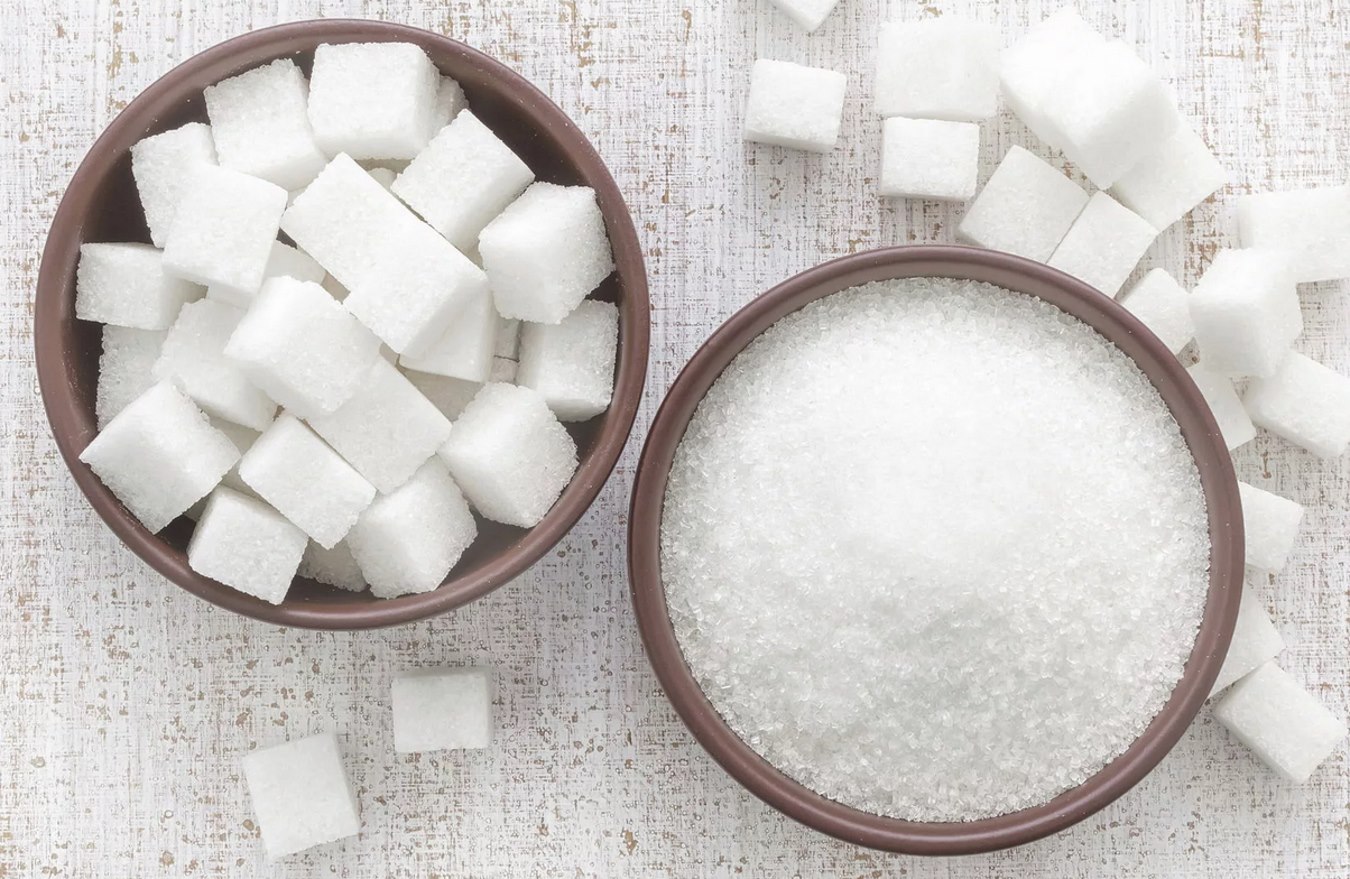
In culinary and household terms, sugar is called sucrose – an ordinary food sweetener that is obtained by processing sugar cane or sugar beet.
The white color of sugar is achieved during refining, but at the same time its individual crystals remain colorless. Many varieties of sugar contain different amounts of vegetable juice – molasses, which gives the crystals different shades of white color.
Sugar is an indispensable ingredient in many drinks, dishes, confectionery and bakery products. It is a familiar additive to coffee, cocoa and tea; confectionery creams, ice cream, icing and sweets cannot do without it. As a good preservative, white sugar is used in cooking jam, making jelly and other products from fruits and berries. Today, white sugar can be found almost everywhere, even where it is not expected to be found. For example, it may end up in low-fat diet yogurt or sausages, as well as in the manufacture of canned meat.
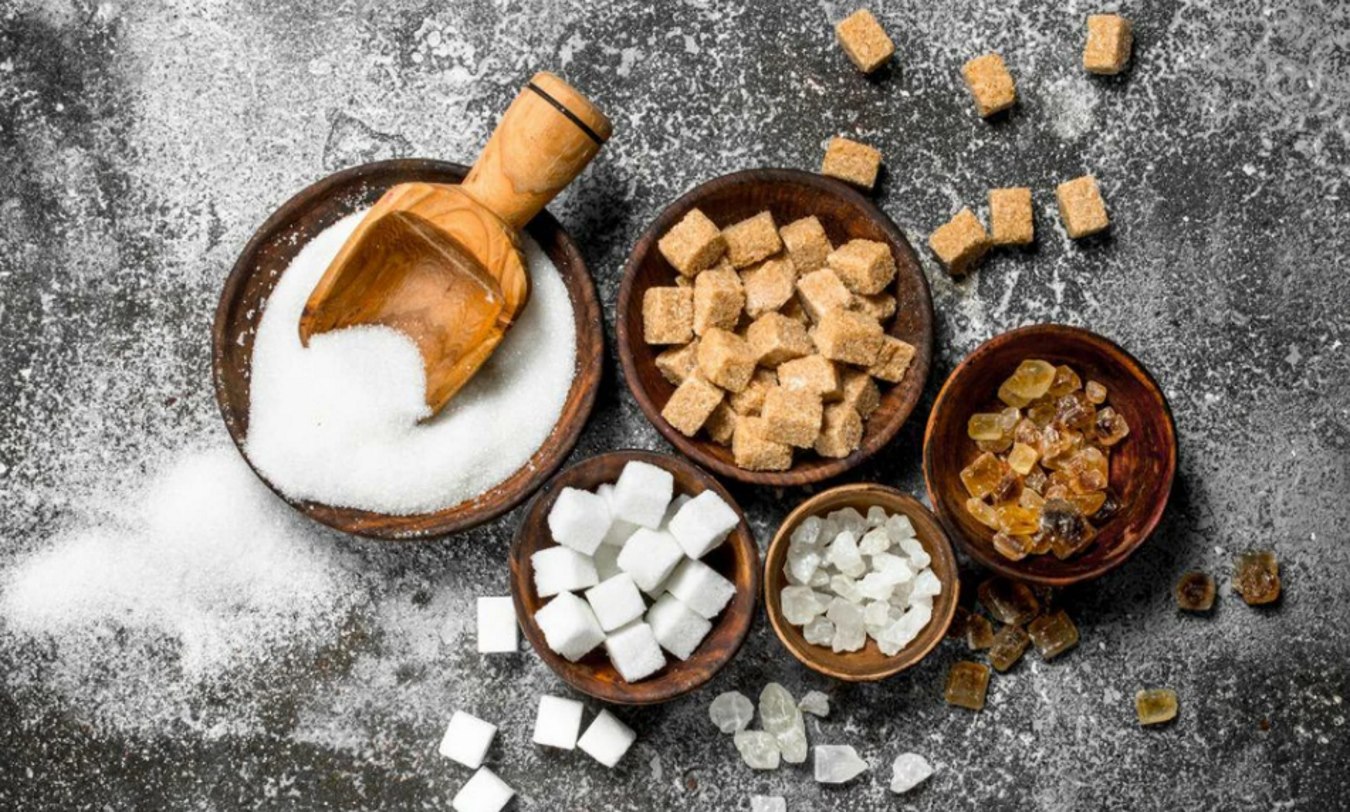
White sugar on sale is in the form of granulated sugar and refined sugar in pieces. Granulated sugar is packed in bags of different capacity, usually from one to fifty kilograms. Dense polyethylene bags are used, inside of which a film is additionally stretched to protect the contents from moisture and the spillage of crystals. Refined products are packed in cardboard boxes. The high hygroscopicity of white sugar causes certain requirements for its storage. The room where the product is located must be dry, protected from temperature fluctuations. Storing it at high humidity will lead to the formation of lumps. Sugar has the ability to absorb foreign odors, so you should not keep it near products with strong flavors.
White sugar is very high in calories – almost 400 kcal per one hundred grams of the product, and its composition consists entirely of carbohydrates. Therefore, when dieting, it is recommended to limit the use of this product in its pure form (for sweetening coffee or tea) and in the form of various sugar-containing drinks, cakes, cookies, etc.

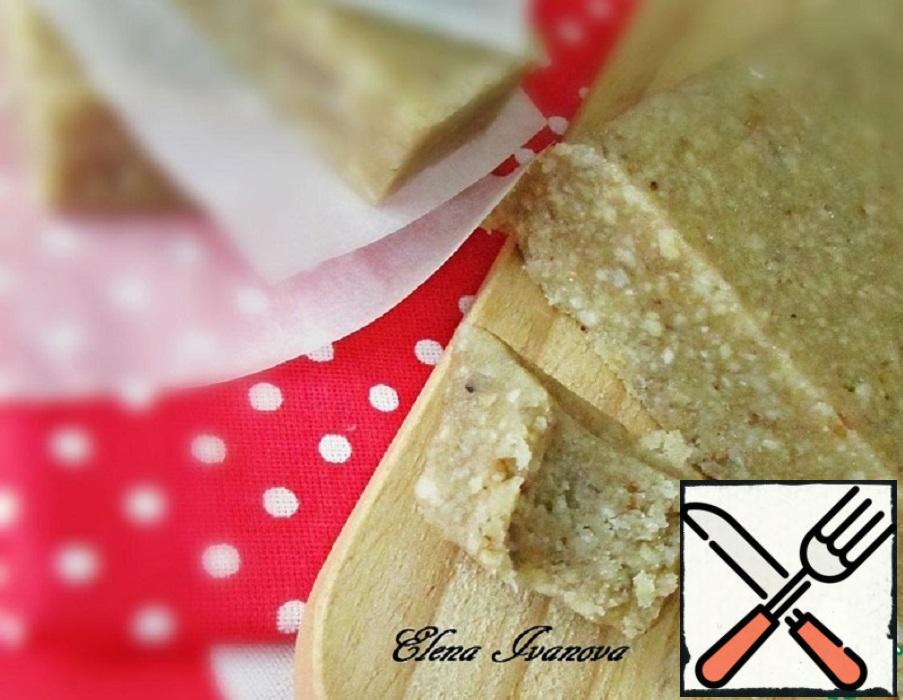
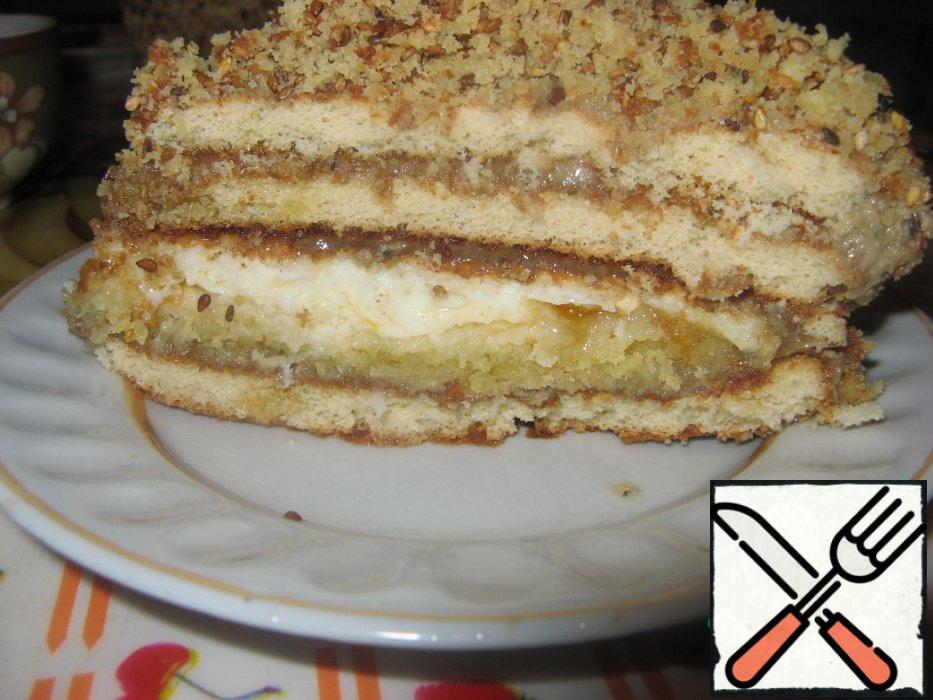

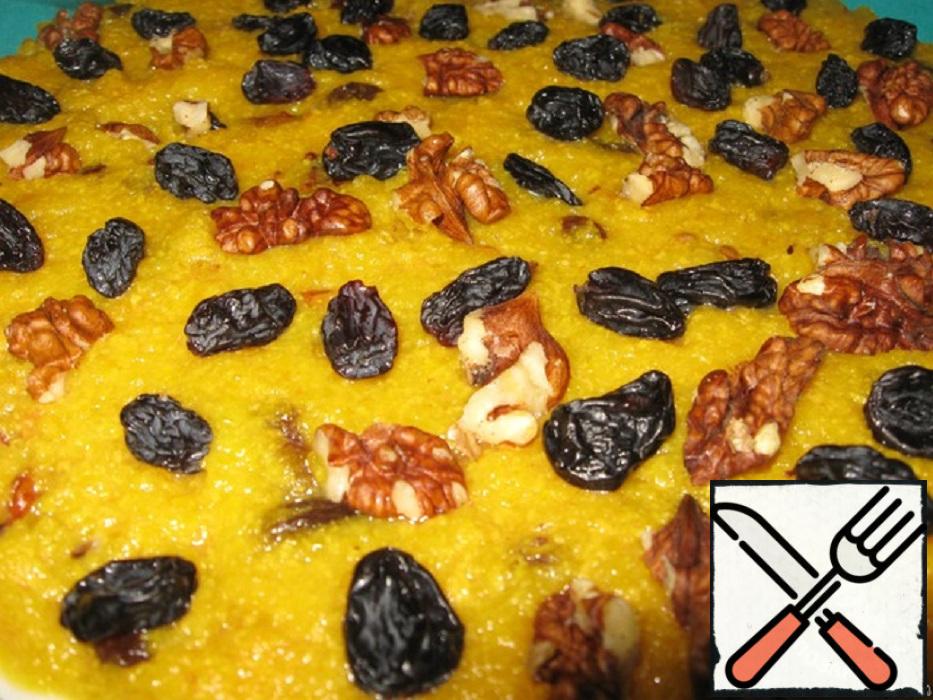
When we pronounce the word “halva”, as the eastern sage noted, our mouth does not become sweet, and we imagine a sweet grayish mass of seeds, but in the East “halva” means sweets. Some cook halva with carrots, others with semolina, and I suggest you cook an unusual and delicious, and most importantly, a healthy dish with PUMPKIN.
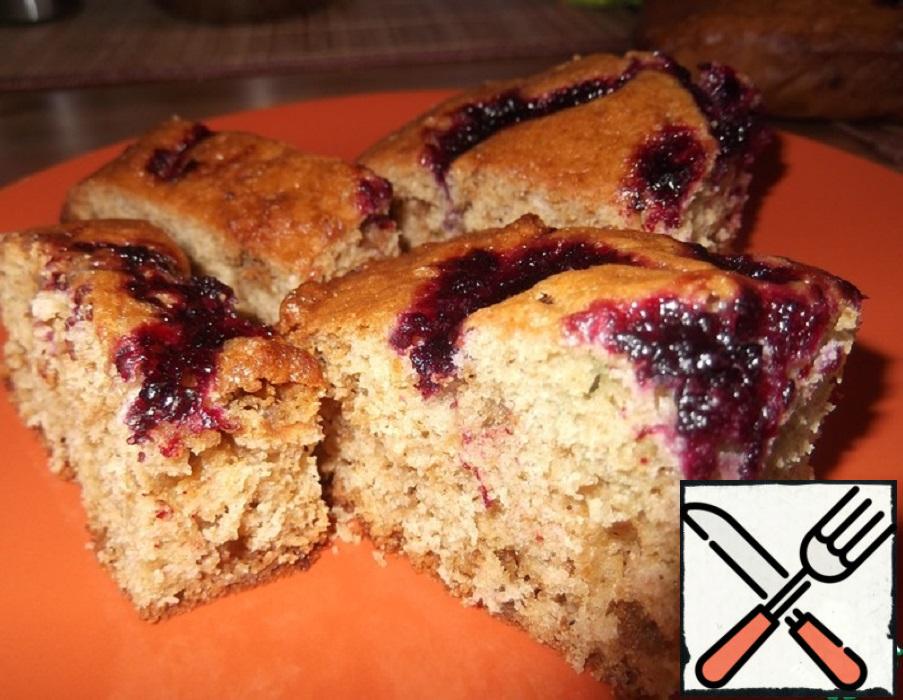
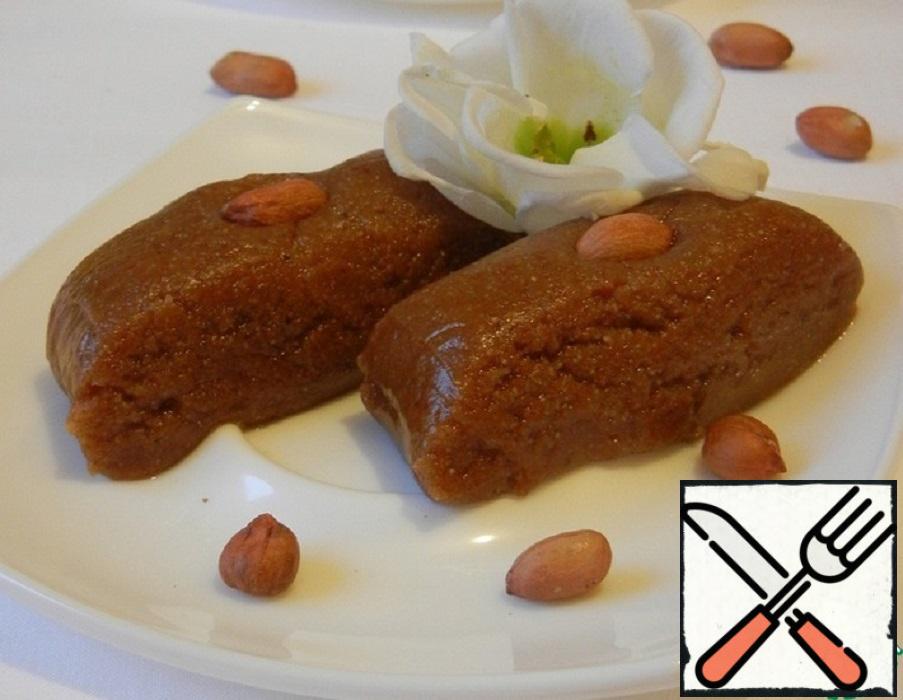
Today I want to show you a very simple and quick recipe for homemade halva. This is a very tasty and sweet treat that just melts in your mouth.