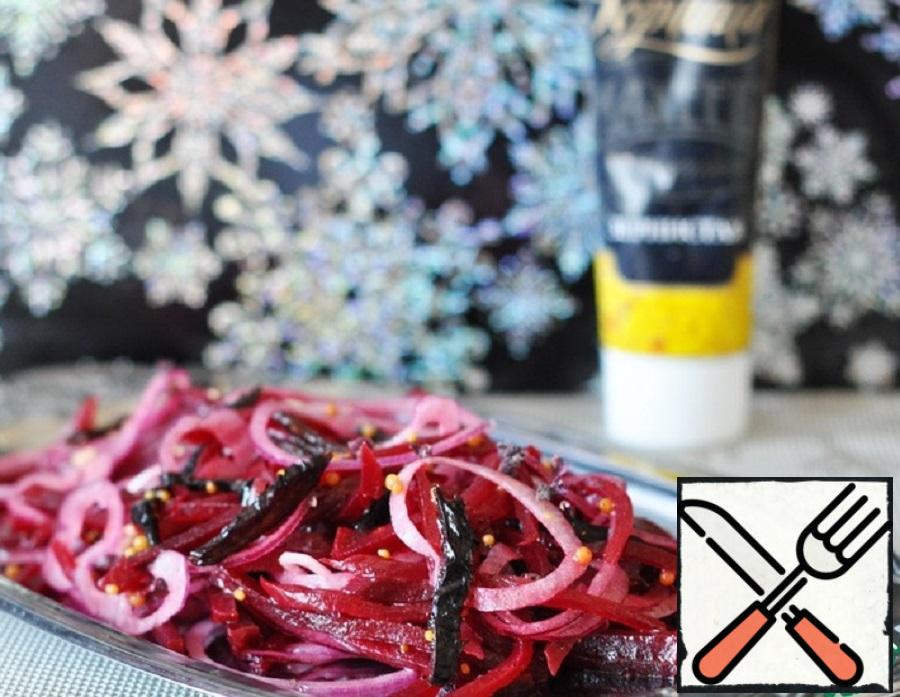
There must be light vegetable salads on the New Year’s table. They are healthy, tasty and nutritious. Beetroot salads fully meet these requirements. I suggest you prepare this salad, especially since it will only take a few minutes.
Best Food Recipes 2023 Step by Step with Pictures

Lemons are used in cooking entirely, but most often you will meet dishes with lemon juice. They are sprinkled with fish to get rid of the characteristic aroma. Seafood is pickled in it, added to salad dressings and sauces, and the taste of compotes, jam and jam cocktails is improved. Lemon juice can be used in creams, they also extinguish soda instead of vinegar. It is only important that there are no ingredients in the dish that are stratified by contact with acid.
Dozens and hundreds of drinks are prepared on the basis of lemon juice. It is boiled in thick syrup, frozen in molds, added to sweets. A chicken or turkey watered with juice will be doubly tender and will definitely not dry out. Organic acids soften pork fibers so that the meat melts in the mouth. Lemon juice dishes are very popular in Chinese and Indian cuisine. After all, they even sprinkle herring with them when serving to the table!
High-quality fruits are dense, with a smooth skin, there are no dents and dark spots on them. With a short warming in warm hands, the lemon exudes an intense aroma inherent only in this citrus. Lemons are well preserved in the refrigerator. Additional time to the shelf life is added by packing each fruit in clean paper and placing lemons wrapped in a plastic bag in a separate chamber for vegetables and fruits. Long-term storage reduces the acidity of fruits, since a significant amount of citric acid is transformed into sugars over time. It prolongs the “life time” of lemons by immersing them for seconds in moderately hot molten paraffin: this creates a protective layer covering the fruit. Lemons are well stored in boxes with sand, which is pre-calcined for the purpose of disinfection.

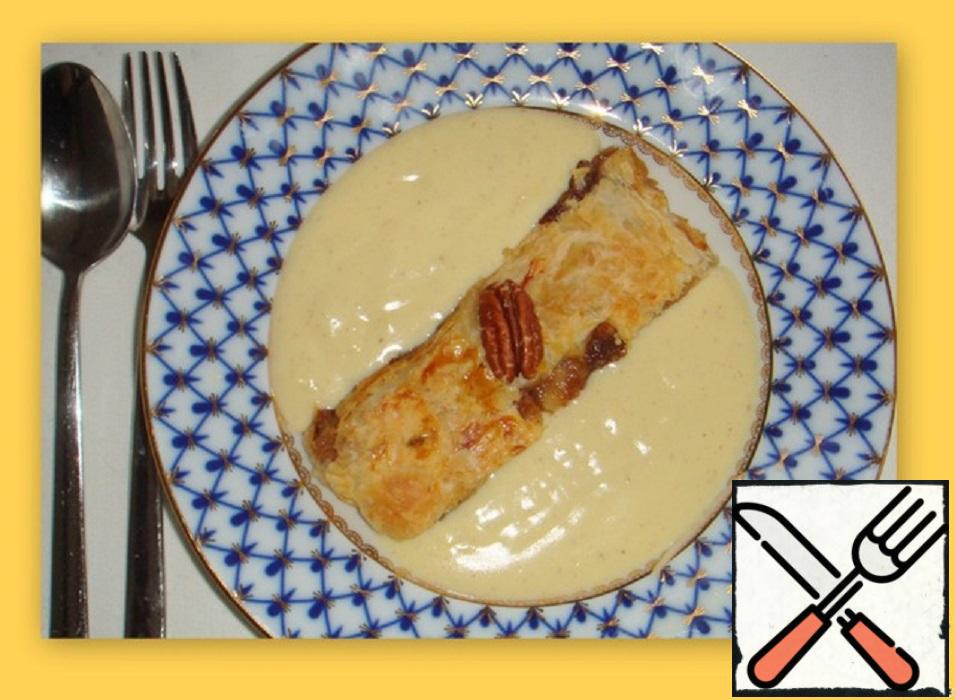
The birthplace of strudel is Austria, where it gained popularity in the 19th century during the Austro-Hungarian Empire, Germany and Italy bake tons of strudel daily… But few people think that strudel is related to Turkish baklava, and the reason for this was the Turkish raids on Eastern Europe in the 16th and 17th centuries. In short, for me there is nothing better than a dank evening (and such evenings are only getting worse) than a plate with hot apple strudel and vanilla pudding! Which one of you is against it? The strudel dough has already been mentioned on the website, and my task is to show you how to properly prepare the most delicious filling for it.
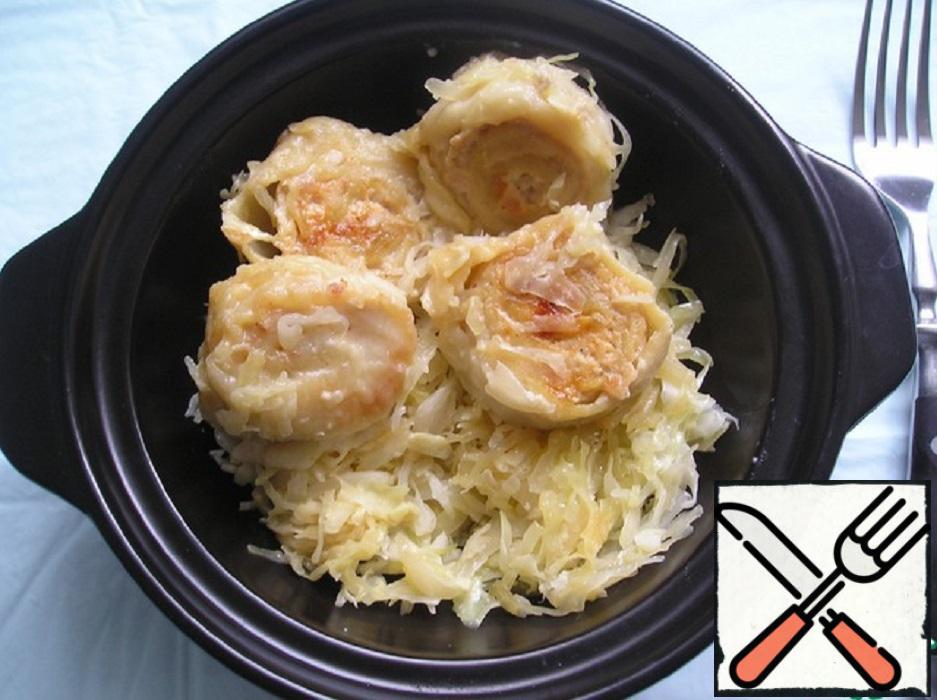
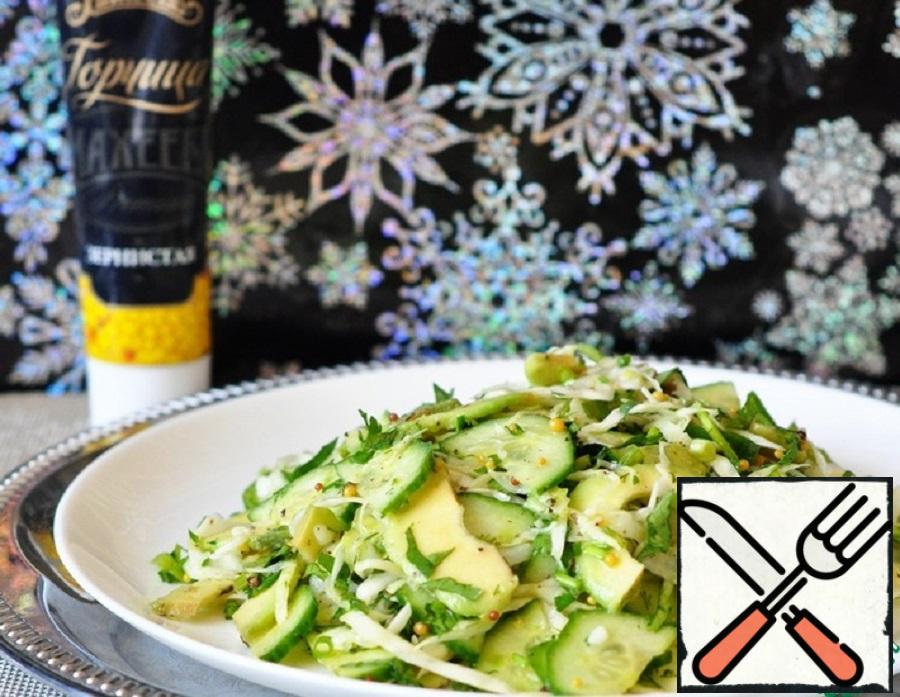
If you, like me, are losing weight, but you like to eat delicious, then pay attention to this recipe with a minimum of products with a high glycemic index (such as potatoes, carrots, etc.). The most important thing in cooking this dish is not to overdo the cabbage – let it remain a little crispy, and soy sauce will gently emphasize the taste and the sweetness of young cabbage will bring an oriental touch to the aroma of the finished dish.