Bulgarian cuisine is a rich tapestry of flavors, reflecting the country’s diverse history, cultural influences, and a deep connection to its agricultural roots. Known for its hearty and flavorful dishes, Bulgarian cuisine showcases a harmonious blend of fresh, seasonal ingredients, aromatic herbs and spices, and a tradition of preserving and fermenting foods. Whether it’s the love for grilled meats, the abundance of dairy products, or the celebration of vegetables, Bulgarian cuisine is a culinary journey that encapsulates the essence of the country.
The history of Bulgarian cuisine is a tapestry woven with threads from ancient civilizations, including the Thracians, Romans, Byzantines, and Ottomans. The Thracians cultivated the land, laying the groundwork for the agricultural practices that would define Bulgarian cuisine. The Romans introduced vineyards and a variety of fruits, while the Byzantine Empire left its mark with certain spices and culinary techniques. Ottoman rule from the 14th to the 19th century brought new ingredients like yogurt, meats, and a plethora of spices. Modern Bulgarian cuisine reflects this historical journey, incorporating global influences while preserving its unique identity.
Commonly Used Ingredients in Bulgarian Cuisine
Yogurt (Kiselo Mlyako): A staple in Bulgarian cuisine, yogurt is often used in soups, salads, and as a condiment.
White Brine Cheese (Sirene): A salty and crumbly cheese used in many traditional dishes, including salads and pastries.
Pork: The most common meat in Bulgarian cuisine, used in various forms, including sausages, stews, and grilled dishes.
Bread (Pita): Bread is a fundamental part of Bulgarian meals, with various types of traditional bread, including the round and leavened pita.
Bell Peppers: A key vegetable in Bulgarian cuisine, bell peppers are used fresh, roasted, or in spreads like lyutenitsa.
Tomatoes: Used in salads, stews, and sauces, tomatoes contribute to the vibrant and fresh flavors of Bulgarian dishes.
Eggs: Commonly used in both savory and sweet dishes, eggs are a versatile ingredient in Bulgarian cuisine.
Sunflower Oil: Widely used for cooking and in salad dressings, sunflower oil is a common cooking oil in Bulgaria.
Paprika: A key spice in Bulgarian cuisine, paprika adds depth and color to many dishes.
Bulgarian Wines: Bulgaria has a rich winemaking tradition, and local wines are often paired with meals.
Popular Dishes in Bulgarian Cuisine
Banitsa: A layered pastry made with filo dough, eggs, and white brine cheese.
Lyutenitsa: A roasted pepper and tomato spread, often enjoyed as a condiment.
Kavarma: Slow-cooked stew typically made with meat, vegetables, and herbs.
Tarator: A refreshing cold soup made with yogurt, cucumbers, garlic, and dill.
Shopska Salad: A colorful salad made with tomatoes, cucumbers, peppers, onions, and feta cheese.
Moussaka: A baked casserole dish with layers of potatoes, minced meat, and eggs.
Kyufte: Bulgarian meatballs or patties made with minced meat and spices, often grilled.
Sirene Po Shopski: White brine cheese baked with tomatoes, peppers, and eggs.
Shkembe Chorba: A tripe soup seasoned with garlic, vinegar, and red pepper.
Bulgarian Kebab: Grilled or roasted skewers of meat, often served with a side of vegetables.
Babek: A traditional Bulgarian dish made with rice, minced meat, and various spices.
Tikvenik: A sweet pastry filled with grated pumpkin, walnuts, sugar, and cinnamon.
Kozunak: A sweet Easter bread with eggs, butter, and raisins.
Rakia: A strong fruit brandy, often enjoyed as a traditional Bulgarian spirit.
Sarmi: Grape leaves stuffed with a mixture of rice and minced meat.
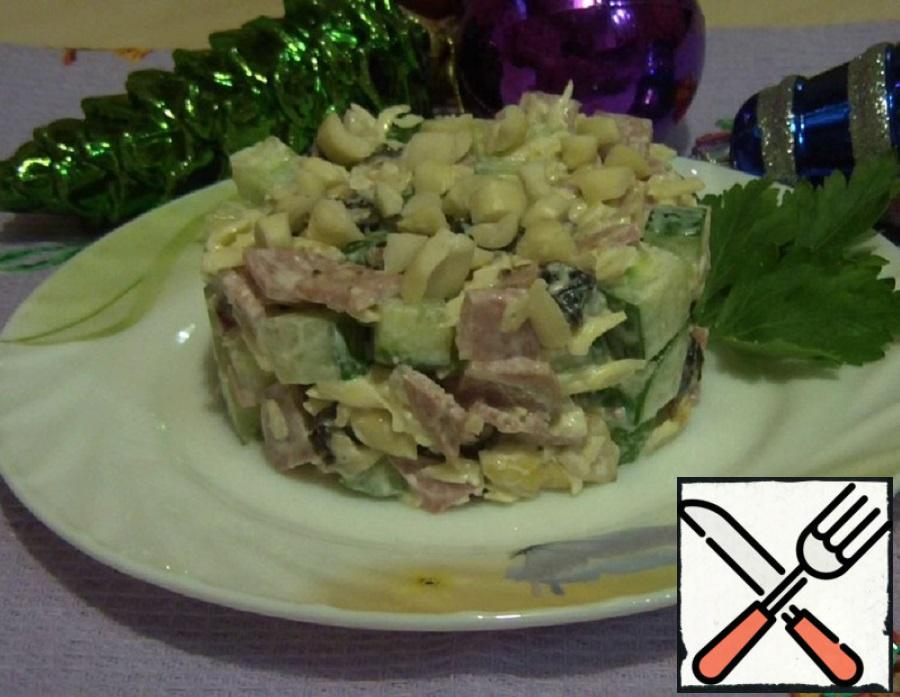
An unusual hearty salad is perfect for a festive table! It is cooked once or twice, an unusual combination with salami (it is possible with ham). Prune lovers will like the salad! You can also arrange it in cups in layers, it will be very beautiful)
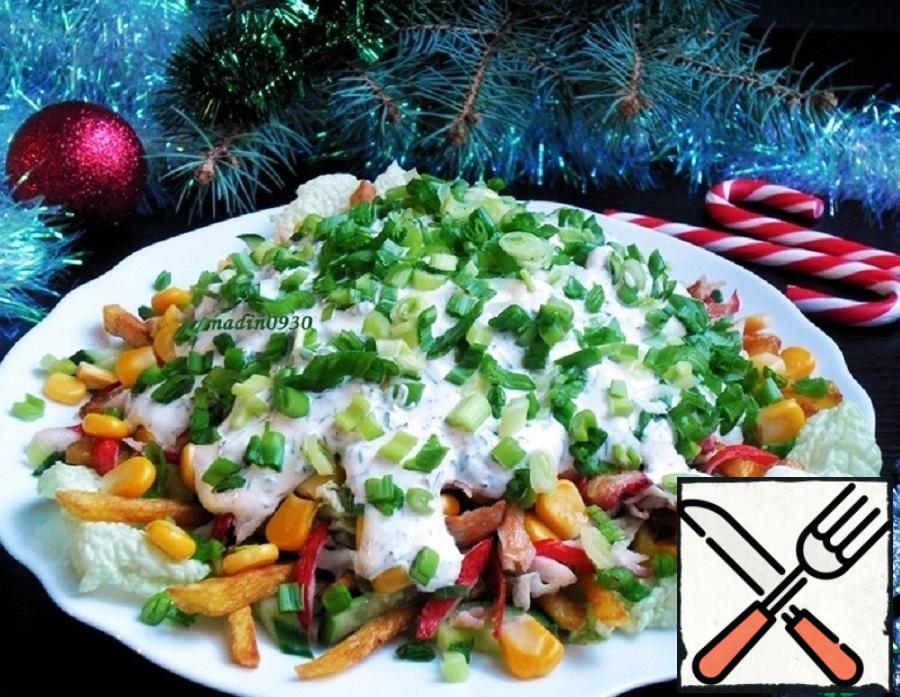
Delicious, juicy, not quite usual, with very simple ingredients! For lovers of new flavors, I offer a salad with crab sticks, but in an unusual design. Thanks to cabbage and cucumbers, the salad turns out very juicy, with a crunch. And fried potatoes make it incredibly fragrant.
Cutlets, the filling for which I will cook in a food processor from pork ham with a small amount of fat, with the addition of white breadcrumbs and mustard to the dough. Airy, tender, thanks to the fact that I ground the meat into minced meat in a combine on a pulsating mode. For a festive serving, I will beautifully fry them in strips in a grill pan.
Another original, beautiful and delicious salad for the festive table. It looks very elegant and even solemn. There are several “caps” on the site, but they have a different composition and a different design.
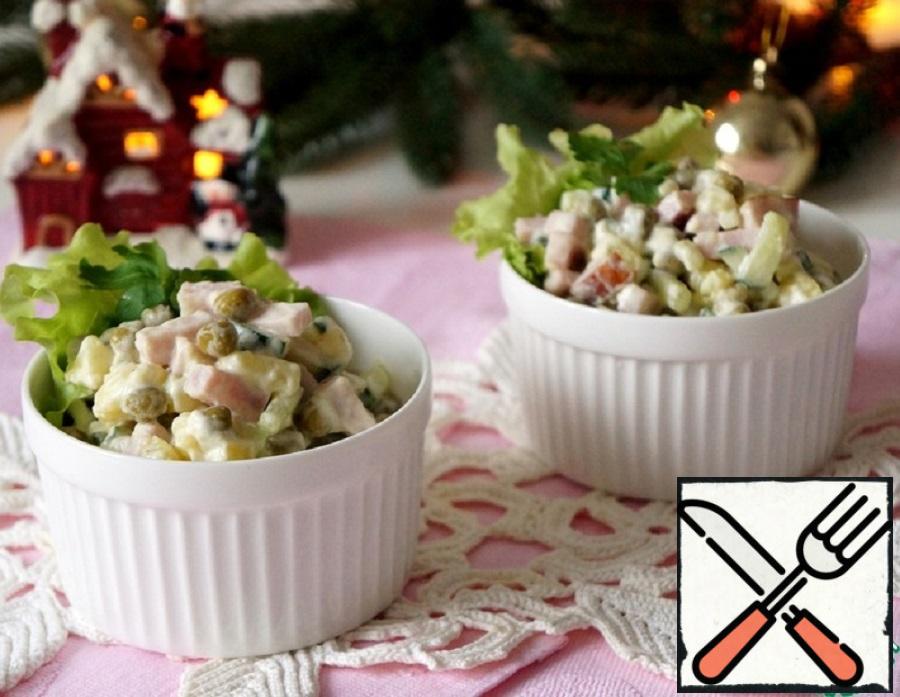
Salad is a good alternative to the usual Olivier. No less delicious, but a little lighter, with a more delicate structure. The recipe comes from Poland and the Czech Republic, there are several options, for example, with pickles. I liked this one. In order for the dish to turn out right, the main thing in the recipe is to use fragrant meat and peas of good quality.
I read that it is better to prepare vegetable or fruit salads for the upcoming New Year. So I decided to make a fruit salad and decorate it in the form of a Christmas tree.