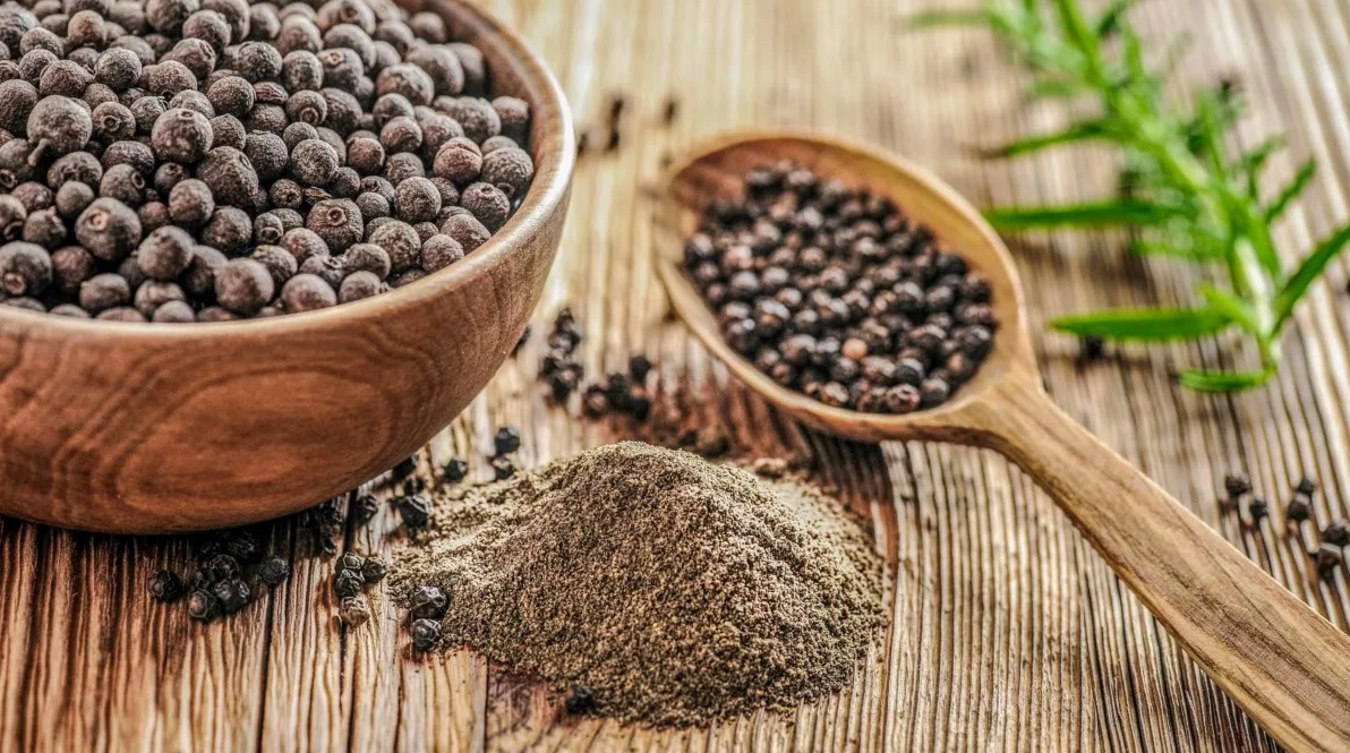
Black pepper blooms with small white flowers collected in hanging ears. The fruits of black pepper are spherical drupes with a hard shell, having a burning taste.
The birthplace of black pepper is the southwest coast of India, the current state of Kerala. Previously, these lands were called the land of pepper, and pepper itself was called the Malabar berry.
How to Choose Black Pepper?
When choosing ground black pepper, you should pay attention to the taste and color of the grinding. Fresh seasoning is always sharp and has a strong aroma, as it contains a large amount of piperine and essential oils. The color of high-quality ground pepper is heterogeneous, it consists of particles of light brown, greenish and gray shades. A uniform yellow, gray or black color indicates a large amount of impurities that manufacturers sometimes add to reduce the cost of goods. The black color of ground pepper may also indicate the use of unripe or rotten peas.
How to Store Black Pepper?
Ground pepper is recommended to be stored in a dry and dark place, away from strongly smelling products. Essential oils evaporate especially quickly from the finely ground seasoning, therefore, so that it does not lose its taste qualities, it should be kept in a hermetically sealed container. The room temperature should not exceed +25 °C.
When to Use Black Pepper?
Black pepper is one of the most effective digestive stimulants. This versatile seasoning is able to decorate any dish, starting from ordinary scrambled eggs and ending with masterpieces of haute cuisine. Food manufacturers add this spice to meat and sausage products, cheeses, canned food and marinades.
Spice is a mandatory component of most recipes of meat and fish dishes. It is added to soups and second courses of beef, pork, lamb, chicken, and also used in the preparation of homemade sausage, ham and pates. Seasoning perfectly complements dishes of mushrooms and vegetables, no brine or marinade can do without it. Somewhat less often, black pepper is added to drinks and desserts.
How Much Black Pepper Should I Use?
A standard-sized teaspoon holds about 4 grams of ground black pepper.
When preparing soups and broths, ground pepper is added 10-15 minutes before the end of cooking. When cooking fried dishes, pieces of meat or fish are sprinkled with pepper and salt before roasting. Seasoning is added to the raw minced meat during the stirring process.
The amount of spice depends on the intended volume of the dish and personal preferences.
It is usually customary to use from ¼ to 1 teaspoon per 1 kg of meat. The maximum dose of ground black pepper per day per person should not exceed 5 grams.
What Spices are Combined with Black Pepper?
Despite the fact that in the mind of any person, the phrase “salt and pepper” evokes an image of perfect harmony, a truly wonderful combination is obtained by mixing ground black pepper with turmeric. Curcumin, which is part of it, is similar in its action to piperine — it is also an antiseptic, an antioxidant and an anti-inflammatory agent.
Black pepper is perfectly combined with most spices, and is part of all popular mixes. It harmonizes well with cumin, garlic, coriander, as well as with its closest “relatives” — white, green and pink pepper.
Alternatives to Black Pepper
With individual intolerance to ground black pepper, it can be replaced with spices that have a similar bitter taste — cumin, mustard, coriander seeds, nutmeg. To make the dishes spicy, in the absence of allergies, you can use chili — paprika, cayenne, jalapeno.
Tips for Using Black Pepper
In combination with cinnamon and ginger, ground black pepper is added to desserts to give them a spicy taste. It is especially appropriate for the preparation of gingerbread and cupcakes, chocolate desserts, pies with apple and citrus filling, cookies.
This spice will give a peculiar taste to well—known drinks – it is added to milk tea, compotes, mulled wine and alcoholic cocktails.
To create a light, spicy salad dressing, ground pepper is mixed in various combinations with natural yogurt, honey, mustard, vinegar or lemon juice.
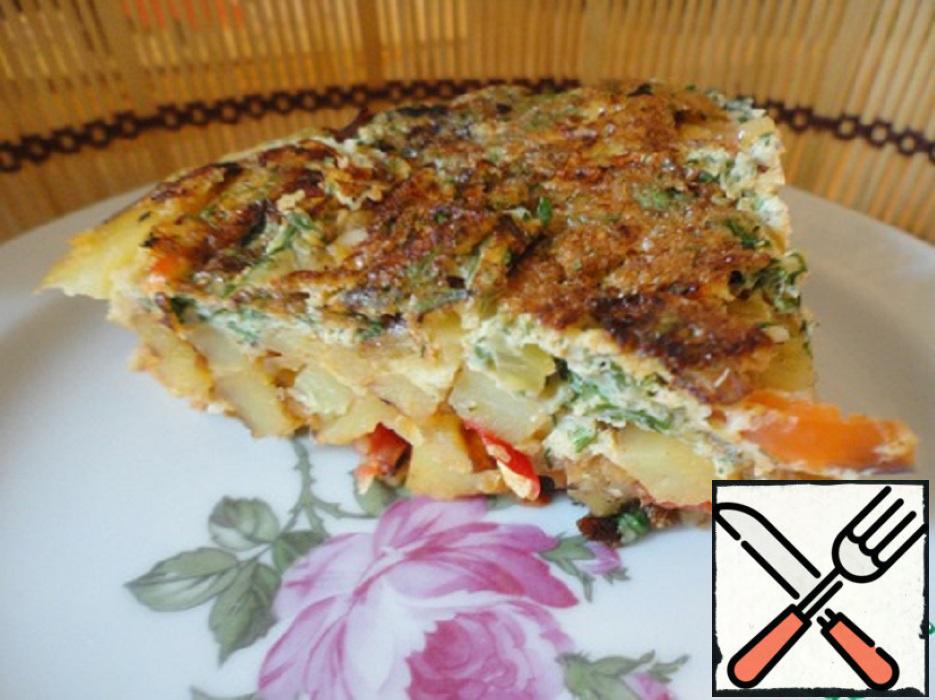
Tortilla is one of the most popular Spanish dishes. It is served in almost all restaurants and tapas bars as a snack, filling for sandwiches or as an independent dish (with tomato bread). It’s amazing how three very inexpensive main ingredients – potatoes, onions and eggs – combine to make such a delicious and satisfying dish. And if you add a layer of cheese and ham, it will sparkle with new taste qualities and delight your guests. A great option for those who spent the new year and plan to set the table on a budget for Christmas and old New year.
I came across several recipes for this Spanish casserole on the Internet. All the options were different, but I combined together the ideas I particularly liked. It turned out extremely tasty. I will not say that all the nuances of Spanish cuisine are observed, because I am not a good connoisseur of it, so do not judge strictly and help yourself. This is a wonderful weekend breakfast!
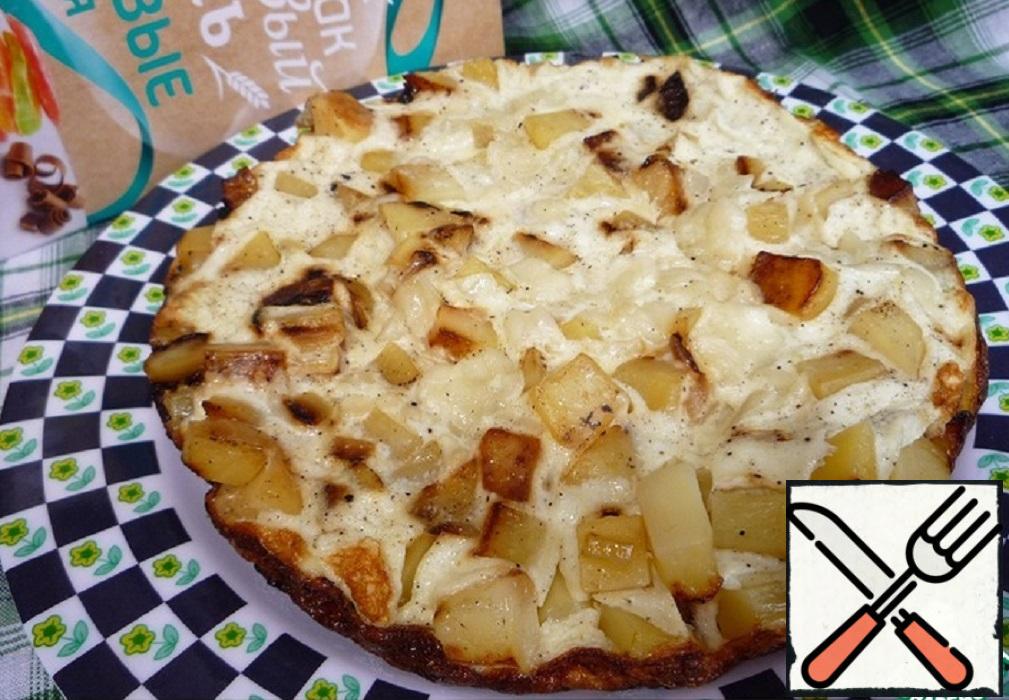
An interesting recipe (which it was impossible to pass by) caught my eye. Fast, delicious, unusual, a minimum of ingredients and, mind you, not a drop of butter and not a gram of flour.
Delicious, hearty salad with chicken, cheese and vegetables. Gentle, interesting. And it looks delicious, and I like the composition of the products!!! This is a very good recipe for a festive table.
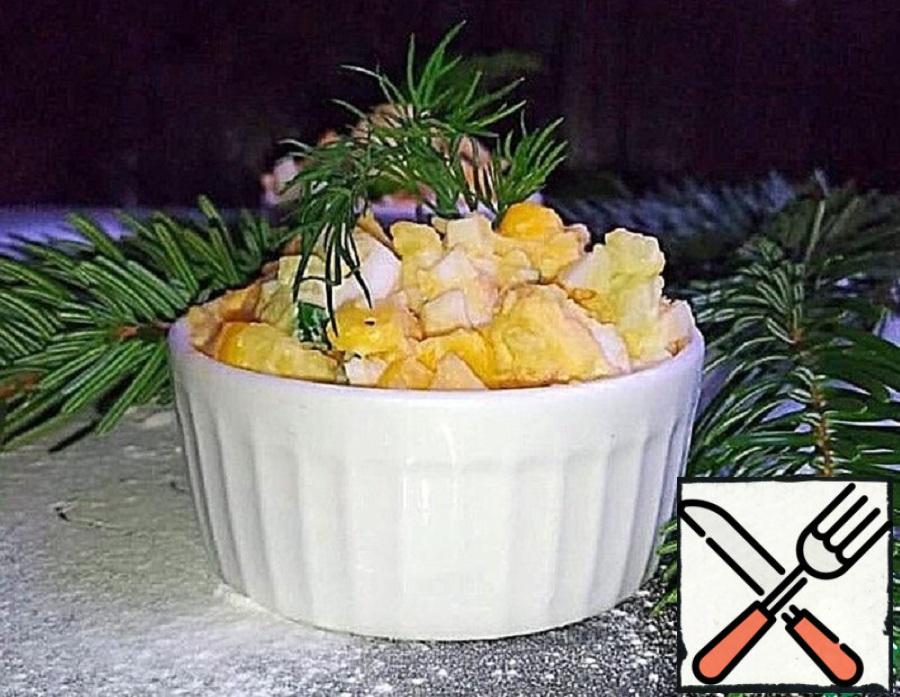
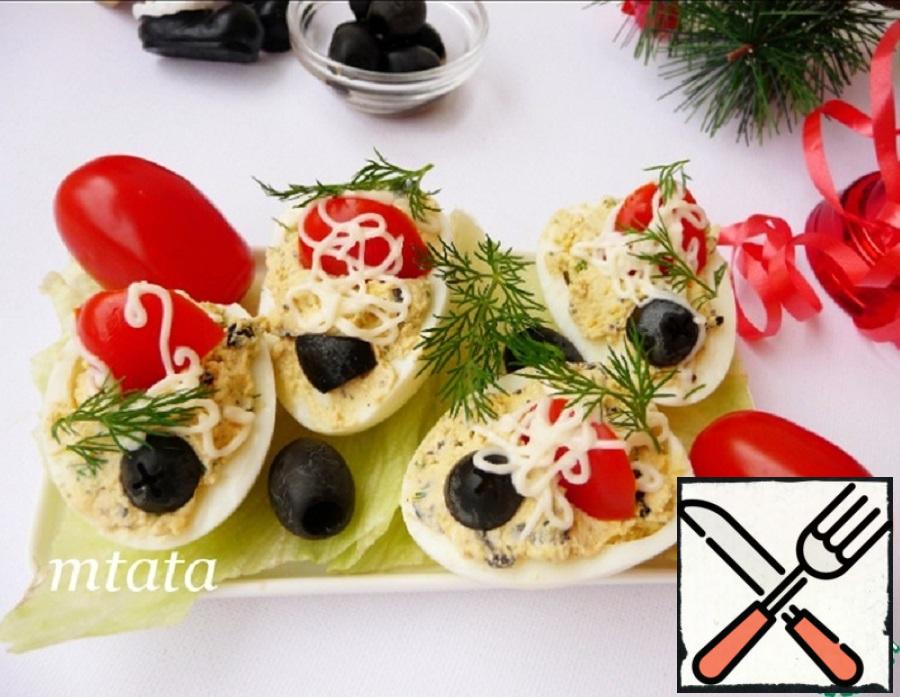
I want to offer a quick delicious snack of eggs and olives. Olives should preferably be taken without seeds. It turned out delicious, tender. You can use the snack as a spread on bread. I saw the idea on the Internet.
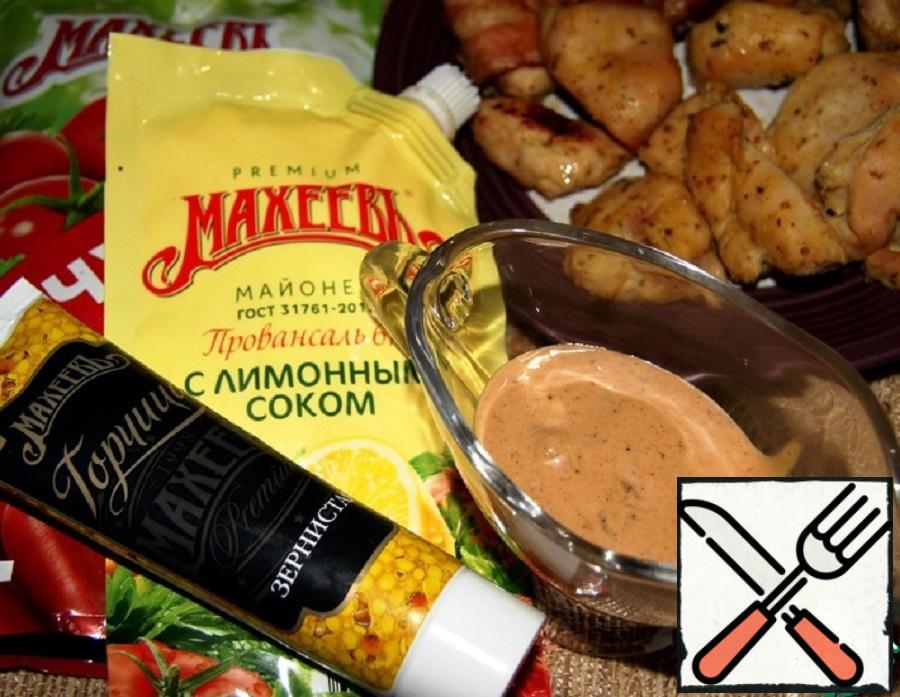
A wonderful sauce for dipping fresh vegetables or French fries into it. You can dip pieces of meat. You decide which products you will use it with. You can also use it as a marinade.
Celebrate the year of the yellow monkey and prepare these wonderful piglets. The filling can be for every taste, the main thing is the idea. I want to assure you – this filling is very tasty and you will like it. It is prepared very quickly, and a wonderful snack is on your table.