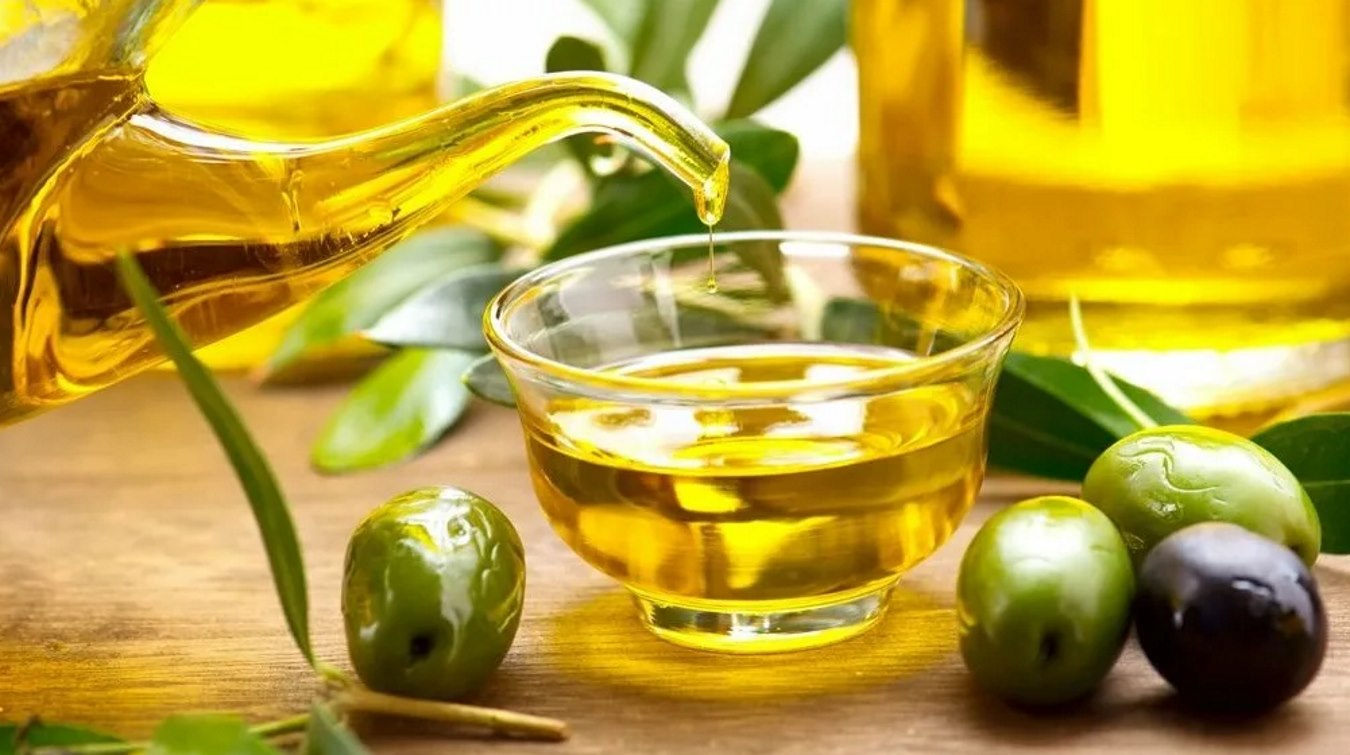
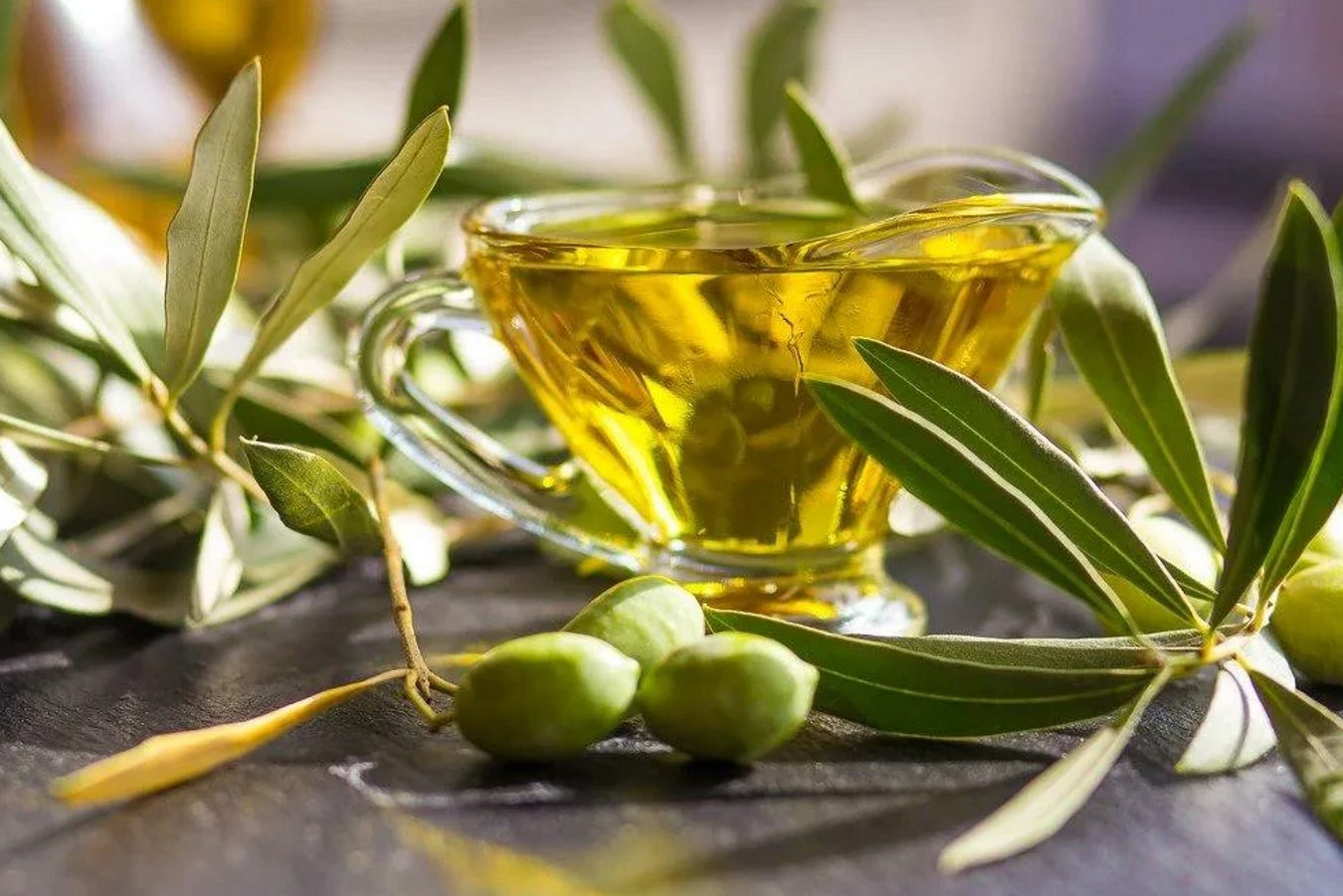
Olive oil of the highest category (extra virgin) is essentially freshly squeezed olive juice, which professionals call first–pressed oil. This oil is obtained by cold pressing the fruits and separating the excess liquid in a centrifuge. Fresh olive is a capricious product, and within a day after harvesting it begins to oxidize, lose its shape, taste and aroma, so olives are turned into oil as close as possible to the place of collection and never transport fruits over long distances. This means that the first-pressed oil retains the unique aroma of olives of the region where it was made. Notes of flowers and fruits, artichokes and fresh grass.
Such a bright personality requires careful handling: extra virgin olive oil works best in its natural form at room temperature in salads, appetizers, sauces and even in cold desserts. Many manufacturers enrich its notes with additional flavors – basil, lemon zest, garlic, dried tomatoes and truffle. So the oil turns into a ready-made refined dressing. It is enough to dip a piece of ciabatta in olive oil with the aroma of noble white truffle to feel a powerful polyphony of flavors.
Olive Oil for Frying
Many home cooks are sure that frying and stewing in extra virgin olive oil is not right. From the heat, fragile natural flavors are destroyed, the oil changes texture and color, and the piquant bitterness turns into outright bitterness. But this is only partially true. In fact, the so–called “smoking point” (that is, the temperature limit after which all of the above irreversible processes begin to occur in the oil) even in first-pressed oil is quite high – up to 180 ° C, depending on the acidity of the product. In other words, if the dish is slowly languishing or baked in the oven with gentle heating, extra virgin oil releases all its flavor and transmits it to the products, which is exclusively beneficial for fish, meat or vegetables. This is the secret, for example, of the Provencal ratatouille – only mixed vegetables cooked in “virgin” olive oil turn into a luxurious, fragrant southern sun whole.
But if we are talking about high temperatures – deep-frying or frying in a hot frying pan, then the temperature shock will kill all living things. For these purposes, it is logical to use refined olive oil: it is sold both in pure form and mixed with a small amount of extra virgin (usually in a percentage ratio of 80:20). This oil is a workhorse in the kitchen, it is more affordable and absolutely universal, suitable for salad dressings and frying in a frying pan. Due to the high density, olive oil practically does not penetrate into the product during frying. And this is good news for those who want to eat a ruddy steak and observe the principles of a healthy diet: after frying, it is easy to remove excess olive oil with a paper towel.
It is worth considering that due to the high density, olive oil practically does not penetrate into the product during frying. The only thing to avoid is deep–frying and a hot frying pan
Everyone loves holidays! It’s fun, and laughter, and a delicious elegant table with all kinds of snacks. But, unfortunately, sometimes it happens that with a festive table you can only eat potatoes and cucumber. And how do you want something that can’t be for one reason or another. Why don’t we prepare a festive terrine that can be consumed by nursing mothers, and the sick, and forever losing weight? Maybe the terrine is not too fancy, so we decorate it the way we want. But it’s delicious and more tender!!!
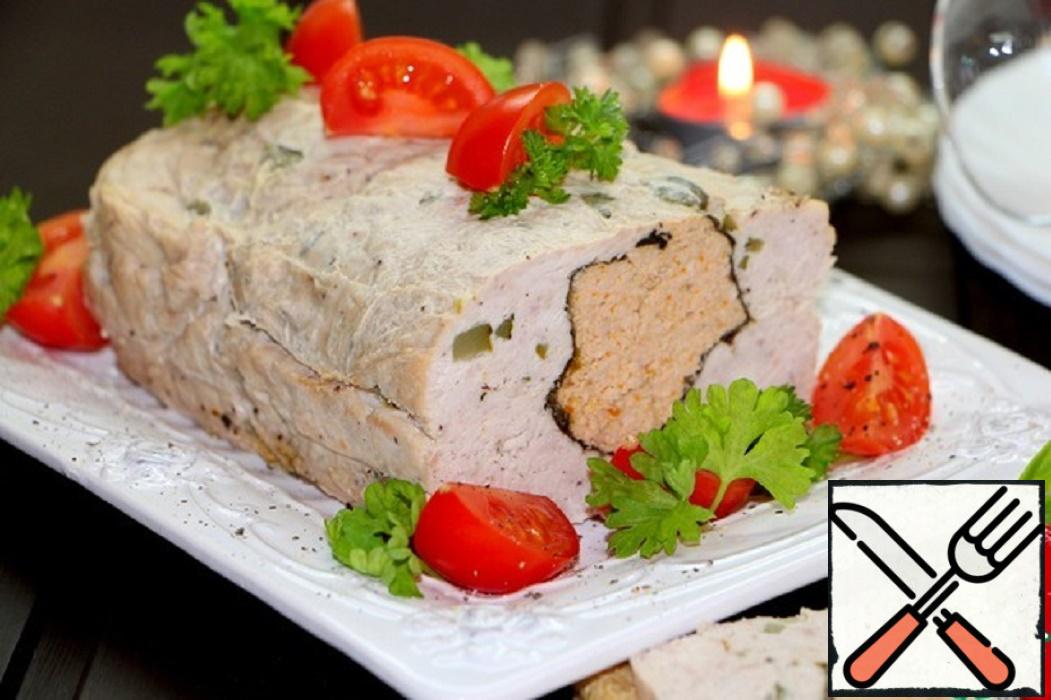
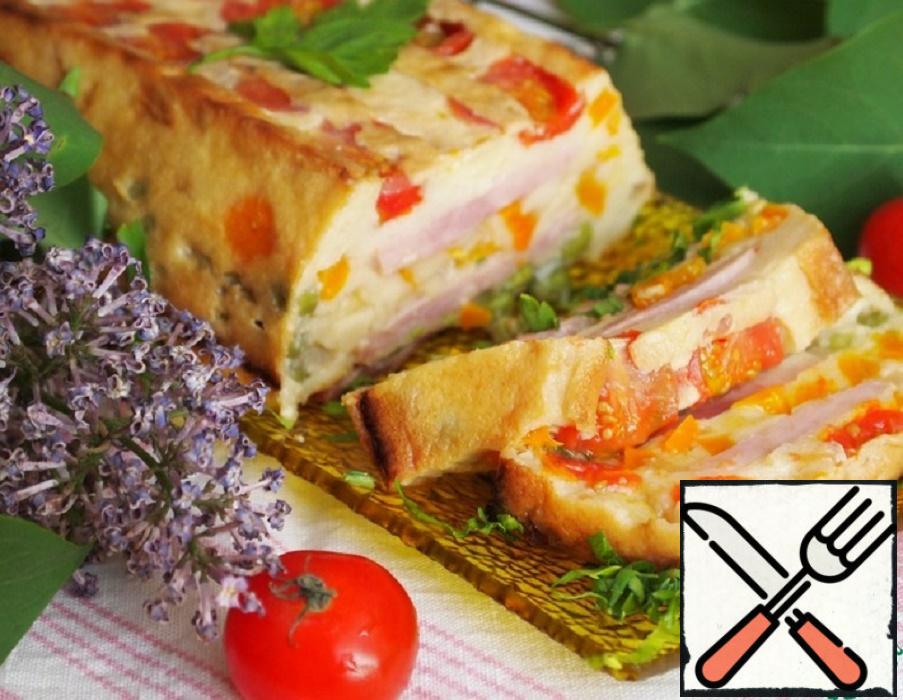
I offer a recipe for terrine with vegetables and ham, which turns out to be very tasty, light, tender and juicy. This dish is suitable both for a home feast, as a snack, and for a picnic, as a light snack.
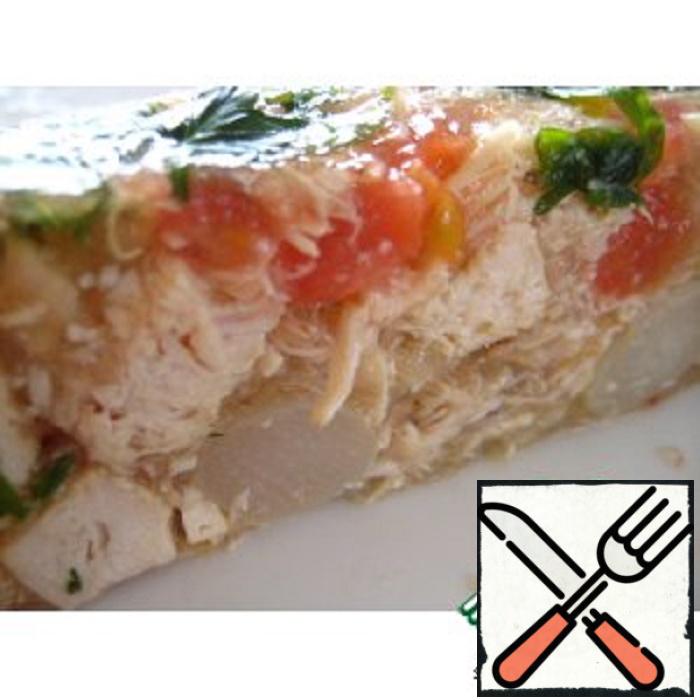
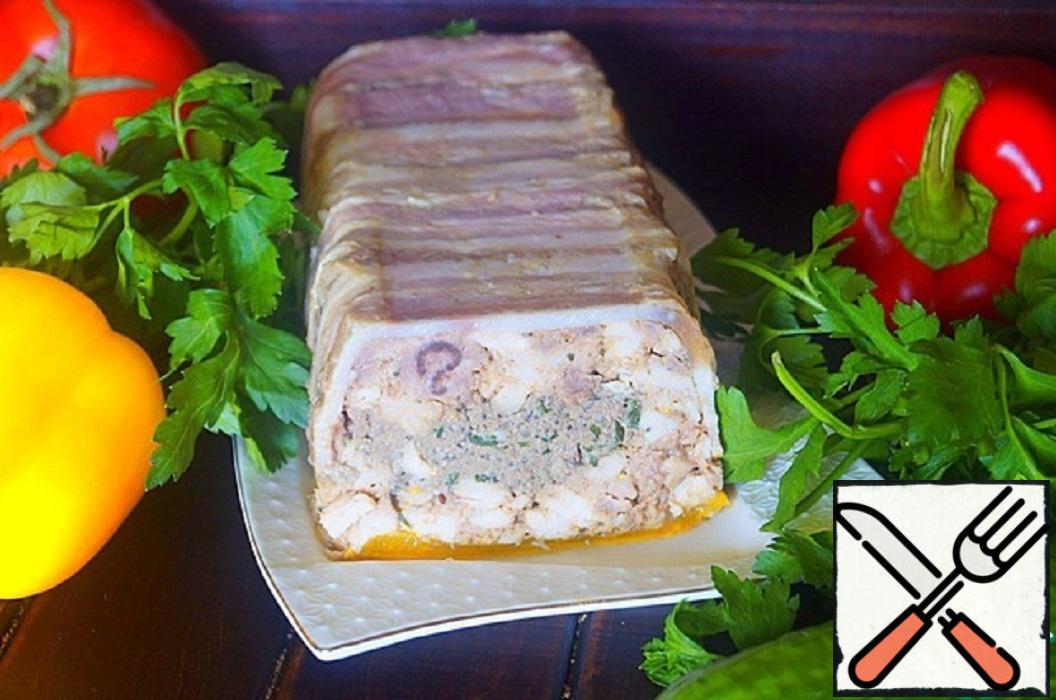
Cold jelly for terrine with chicken fillet and fresh vegetables. It can be used as a cold snack, as an alternative to “aspic”, only a more useful and “lightweight” option.
Such appetizers on the menu are served to almost every festive table. Everyone loves them. Both men and women like it. Delicate, spicy, slightly spicy. It is convenient that they are prepared before the holiday, by night they only become tastier. They look festive and bright on the table.
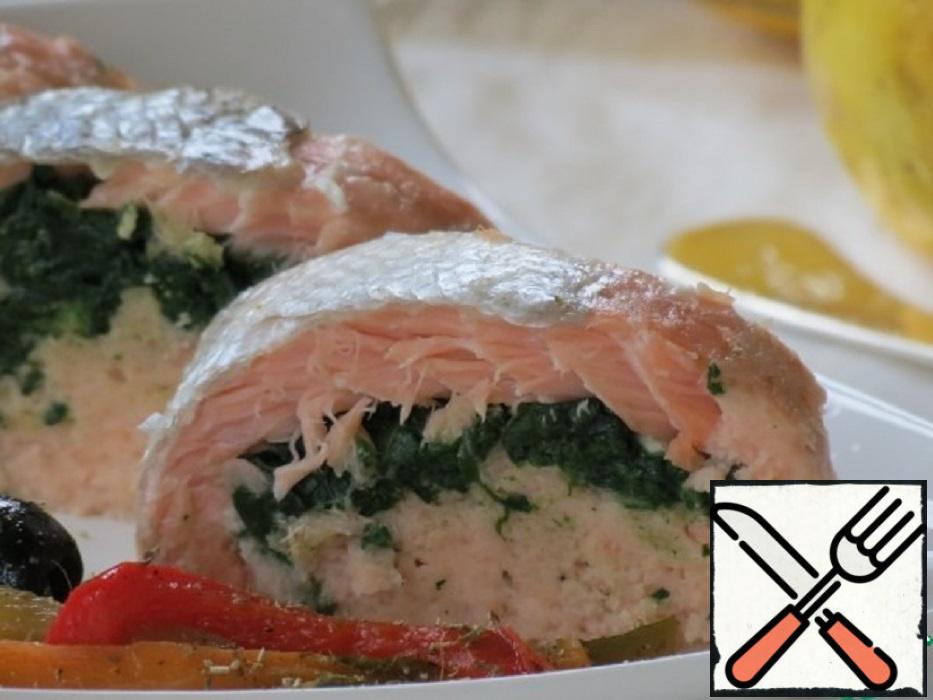
Tender salmon terrine. It is not difficult to prepare this snack. The taste is fishy and creamy. If you want to please and surprise your guests with something special, this snack is what you need. Great for dry white wine.
A chic terrine with a rich taste. This is a great snack for any festive table, as well as an excellent substitute for meat delicacies from the store. It’s easy to prepare, the main thing is patience, because terrines will have to stand under the load. The terrine itself is quite dense, with a delicate liver-mushroom paste inside. All men will appreciate it.