Onions in cooking are used in raw, boiled, fried, pickled and salted types. Although to preserve all the useful properties, minimal thermal exposure is recommended. Onions can be both a flavor seasoning for the main dish (and it is combined with meat, fish, rice, potatoes, flour products, cottage cheese, and other vegetables), and the basis of the recipe. Many national cuisines have their own “branded” culinary products, in which onions can be called a key ingredient: French onion soup, British onion pie, etc. There are some culinary tricks that will allow you to cook this product (or a dish based on it) as tasty as possible: If you add a little granulated sugar to the oil during frying, the onions will brown better. So that the chopped onion does not burn during sauteing, before sending it to the frying pan, you should roll the “straw” in flour. Then it will simply acquire a reddish hue. Onions can be added to minced meat not only to improve the taste, but also to extend the shelf life of the meat part. To get rid of onion bitterness in the manufacture of salads, raw onions are slightly scalded with boiling water, and hands and knife are smeared with wet salt.
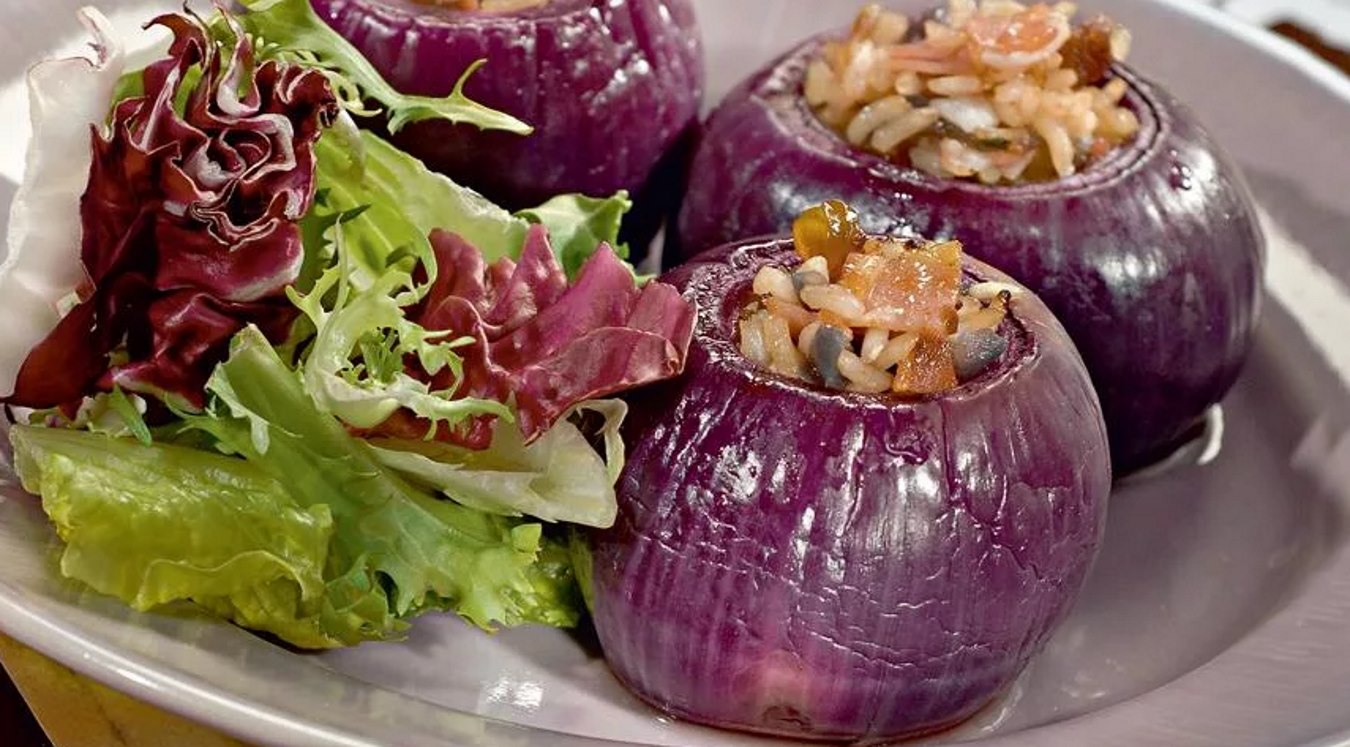
When choosing onions, preference should be given to dense clean heads, without damage, holes and stains. The sweetness-bitterness of a vegetable depends not only on the variety, but also on the length of daylight in the place of cultivation (southern onions are considered sweeter), the mineral content of the soil, the softness of the climate, the abundance of precipitation, etc. For example, with a large amount of annual precipitation, sulfur is actively washed out of the soil, which creates prerequisites for growing a sweeter vegetable. However, in general, it is believed that white varieties have a stronger flavor and are better suited for filling pies, red and purple ones have a sweet taste and are well combined in salads and marinades, and the Spanish variety is softer and sweeter, as well as onions with yellow–brown husks are better suited for frying.
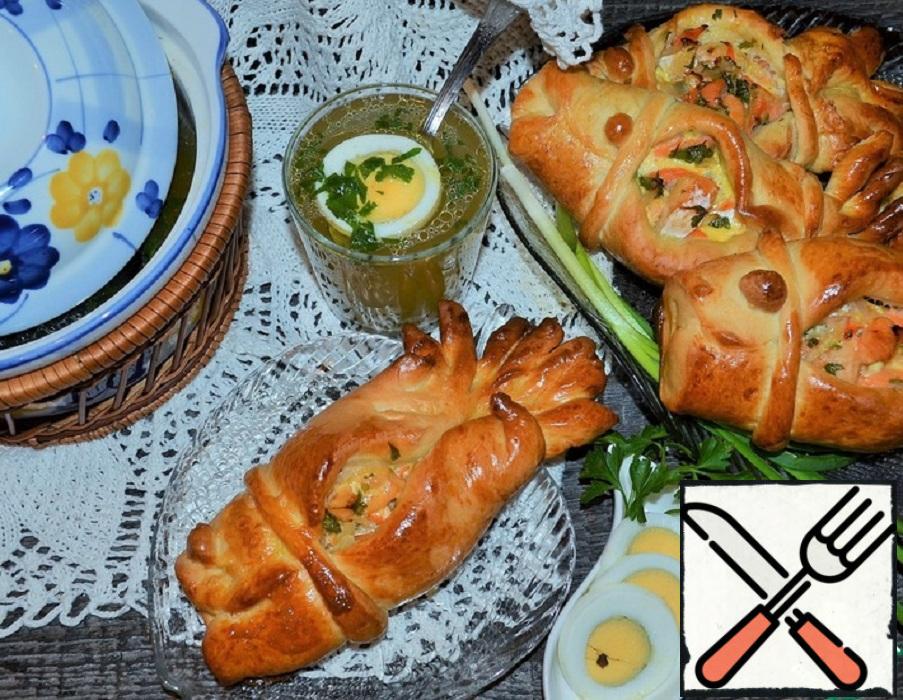
Baking is always delicious, beautiful pastries are many times tastier… Therefore, I often try to surprise with modeling, sometimes thematically decorating fillings… How do you like these salmon pies? Fish pies? A great addition, an “ideal pair” for pies will be the preparation of fish broth “Rooster Ear”.
They say that the royal ear is on chicken broth, but with red fish, al sturgeon… Am I the king or not the king?! I thought… Of course not, I am not a king and not a queen, but with a “King in my head” – that’s for sure, oh, he does not give me peace, I often invent such things… Like, for example, today there are a couple of recipes for the “Perfect Couple” contest, you can judge what and how, and we have delicious, very tasty food, no weaker than the royal ones.
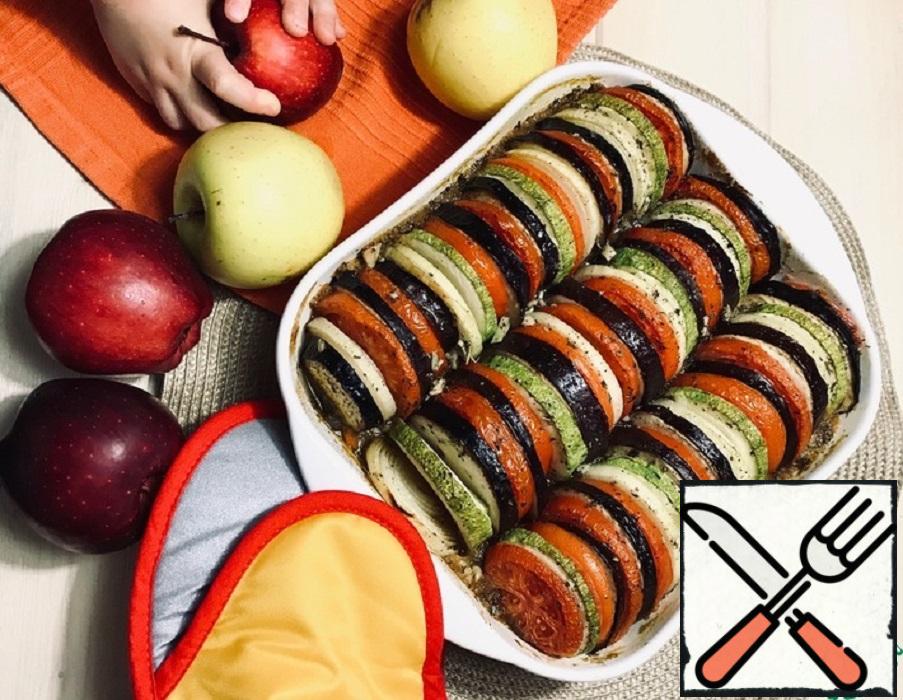
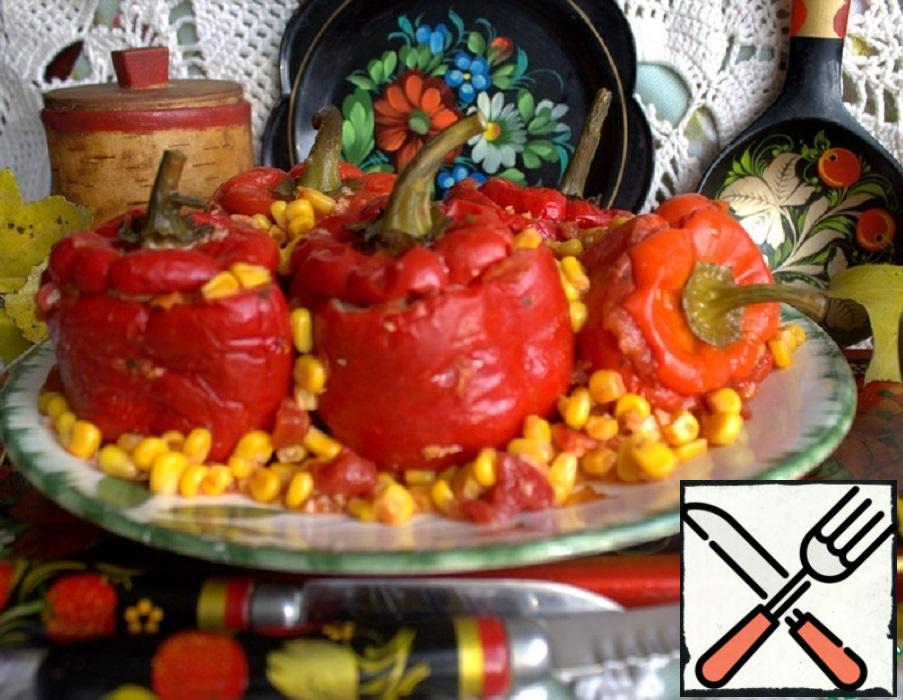
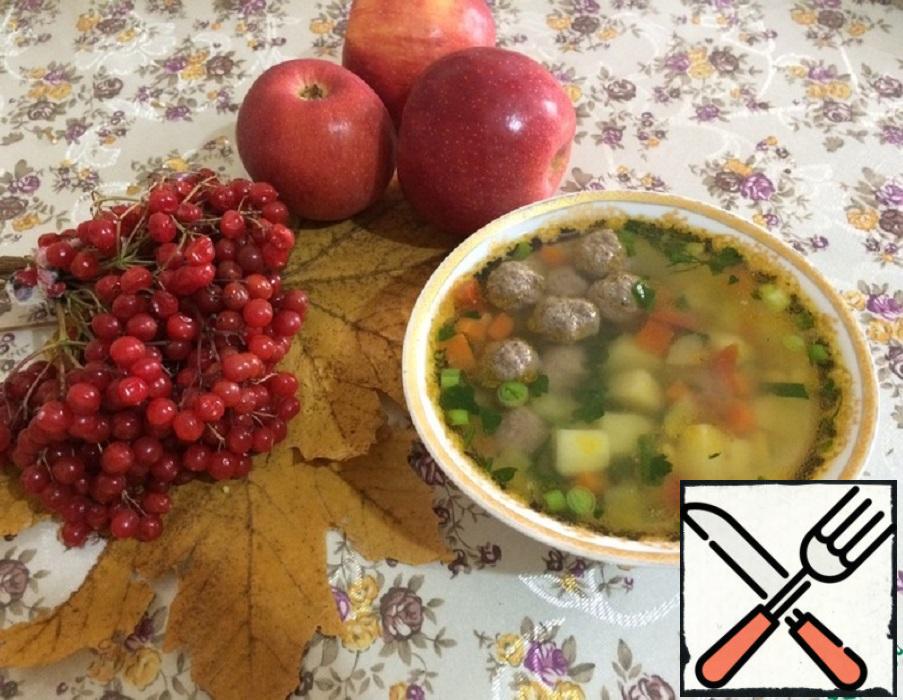
Dishes made from seasonal vegetables. The recipe does not use meat, but meat eaters will like it, because all the ingredients complement each other so perfectly.
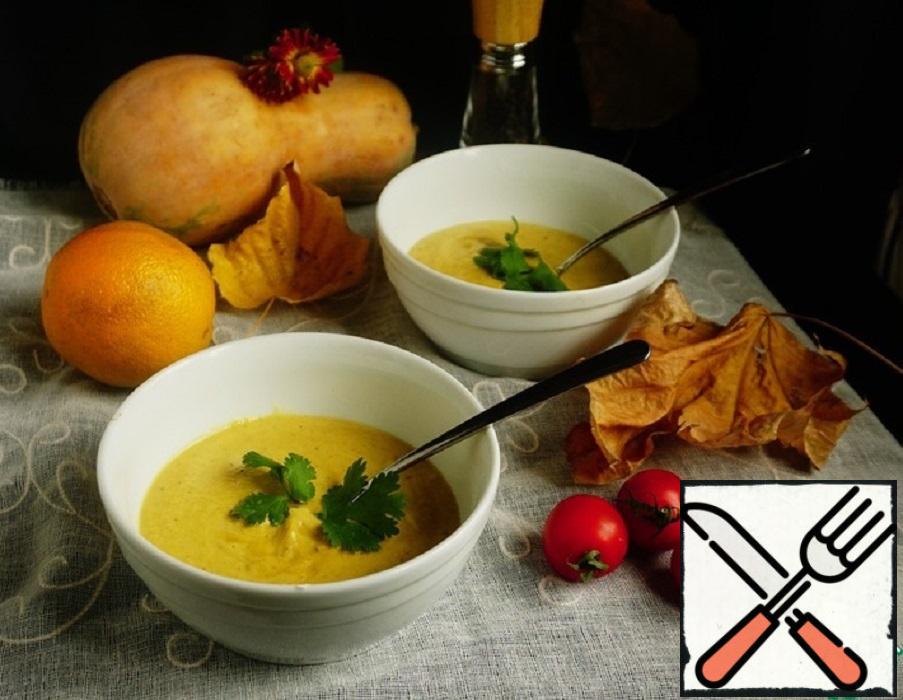
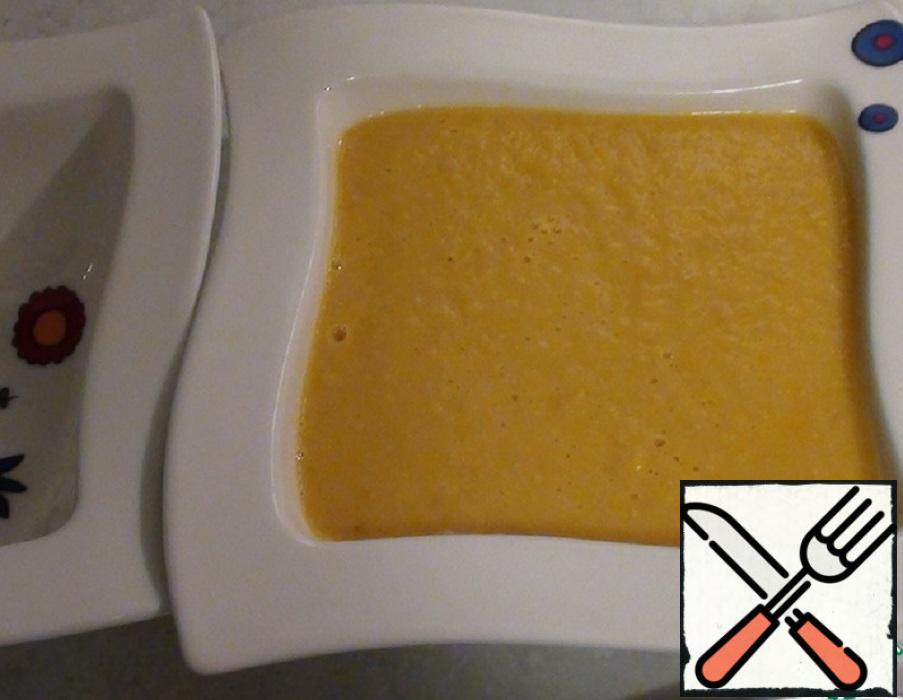
The last days of the outgoing autumn. Damp, gloomy… Colors lose their brightness. As well as the desire to keep the remnants of heat, I wanted to cook a bright soup. I remembered the song about everything orange.
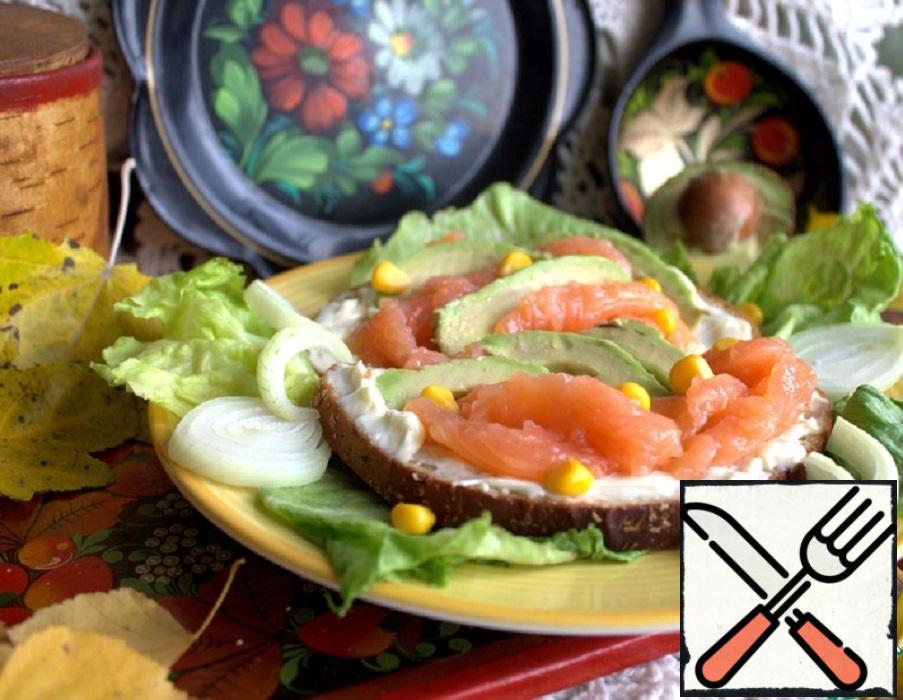
It is relevant for a holiday, during the visit of unexpected guests, and just to please yourself and your loved one on weekends (gray, autumn) days. This marinade was used twice, so the first portion left quickly!
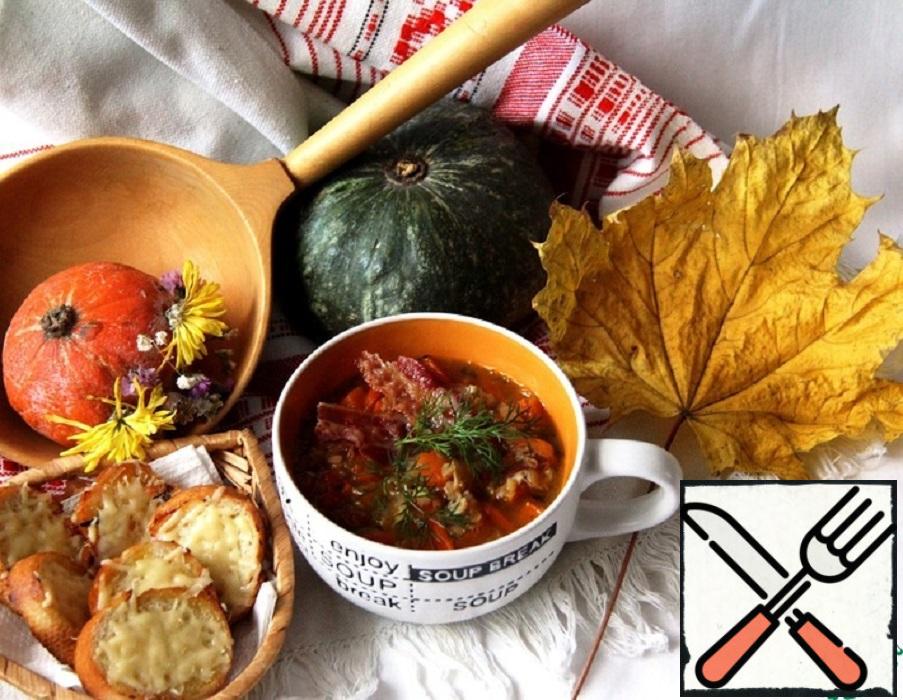
I offer you a very tasty, hearty and almost low-fat soup. Despite the presence of a small amount of fried bacon, the dish is generally balanced in terms of fat and calories, because I have a negative attitude to fatty foods. Read the recipe and, if you want, try to cook it once.
Fasolada is one of the popular soups of Greek and Cypriot cuisine. This dish goes well with fresh bread and olives. The Greeks call beans “caviar of the poor.” But even after ceasing to be poor, the Greeks could not get rid of their favorite legumes. Very tasty, hearty and nutritious soup. And, of course, very healthy! Fasolada is not as simple as it may seem at first glance. The soup turns out to be a bit troublesome, but the effort is worth it! There are four recipes on the site with the name fasolada. Two of them are cooked with meat or meat products, but fasolada is a lean soup. The other two differ in composition. It seems that the beans, like the soup, each family has its own. I offer you my own version.
This bright soup, not only in “appearance”, but also in taste, occupies the top lines of the “hit parade” of our family’s favorite dishes. I suggest you appreciate it…