Onions in cooking are used in raw, boiled, fried, pickled and salted types. Although to preserve all the useful properties, minimal thermal exposure is recommended. Onions can be both a flavor seasoning for the main dish (and it is combined with meat, fish, rice, potatoes, flour products, cottage cheese, and other vegetables), and the basis of the recipe. Many national cuisines have their own “branded” culinary products, in which onions can be called a key ingredient: French onion soup, British onion pie, etc. There are some culinary tricks that will allow you to cook this product (or a dish based on it) as tasty as possible: If you add a little granulated sugar to the oil during frying, the onions will brown better. So that the chopped onion does not burn during sauteing, before sending it to the frying pan, you should roll the “straw” in flour. Then it will simply acquire a reddish hue. Onions can be added to minced meat not only to improve the taste, but also to extend the shelf life of the meat part. To get rid of onion bitterness in the manufacture of salads, raw onions are slightly scalded with boiling water, and hands and knife are smeared with wet salt.
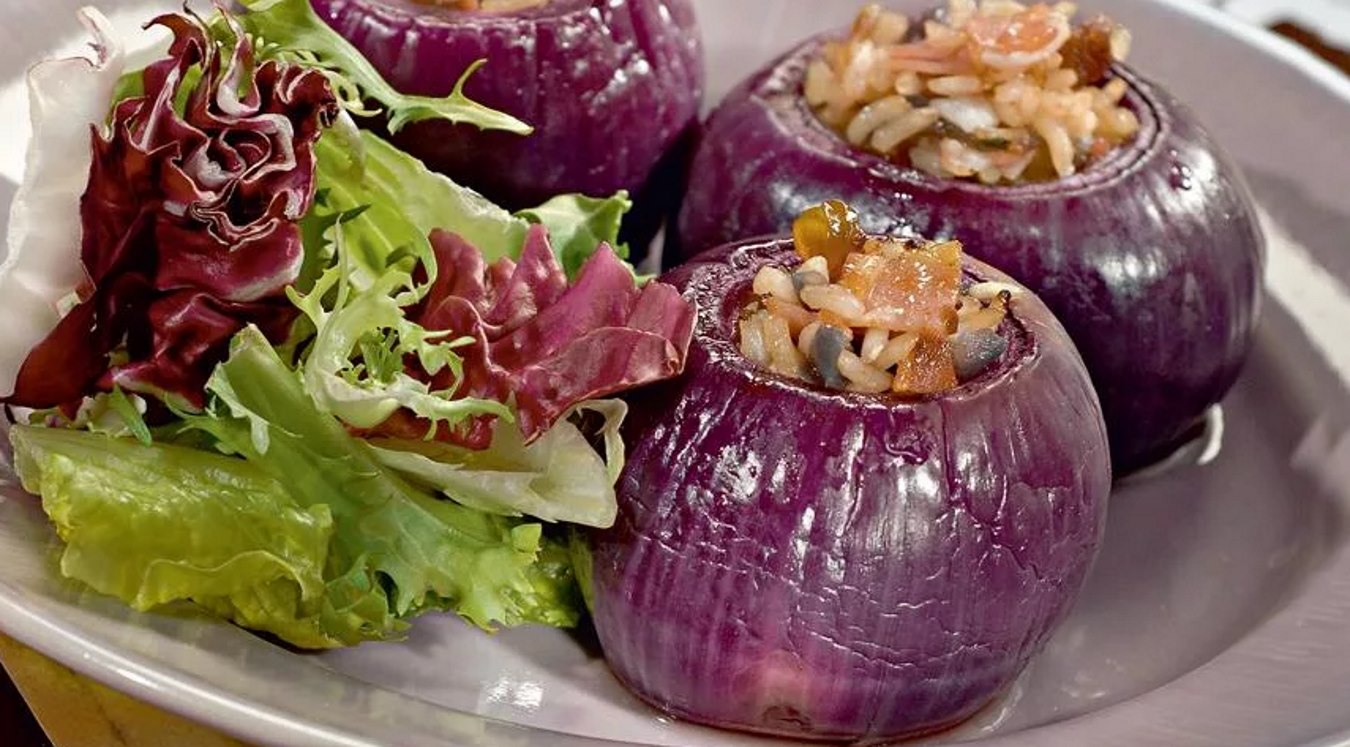
When choosing onions, preference should be given to dense clean heads, without damage, holes and stains. The sweetness-bitterness of a vegetable depends not only on the variety, but also on the length of daylight in the place of cultivation (southern onions are considered sweeter), the mineral content of the soil, the softness of the climate, the abundance of precipitation, etc. For example, with a large amount of annual precipitation, sulfur is actively washed out of the soil, which creates prerequisites for growing a sweeter vegetable. However, in general, it is believed that white varieties have a stronger flavor and are better suited for filling pies, red and purple ones have a sweet taste and are well combined in salads and marinades, and the Spanish variety is softer and sweeter, as well as onions with yellow–brown husks are better suited for frying.
Fajitas is one of the most popular and traditional Mexican dishes. Fajitas are not just fried meat in a tortilla (corn tortilla), but also necessarily a traditional set of side dishes or sauces: black bean paste, rice with Mexican spices, Pico de Gallo sauce and sour cream. Meat, beans and rice are cooked with traditional Mexican spices: cumin, oregano and, of course, seasoned with lime juice. You can’t do without onions and hot peppers in this kitchen either. All these ingredients harmoniously complement each other and create a unique flavor of Mexican cuisine. Traditionally, rather cheap and not very soft pieces of beef are used for fajitas: peritoneum, sides and tenderloin (barrel, round, skirt, London broil, etc.). Therefore, it is very important for fajitas to cut the meat into very thin strips – across the fibers. In order for the meat to fry and remain juicy, cook them over very high heat. Of course, no one will forbid you to cook fajitas from more expensive steak chops: thick edge, thin edge, shackles, cereals and rump, and, of course, fillets. Although, in this case, it will not be quite a traditional fajita.
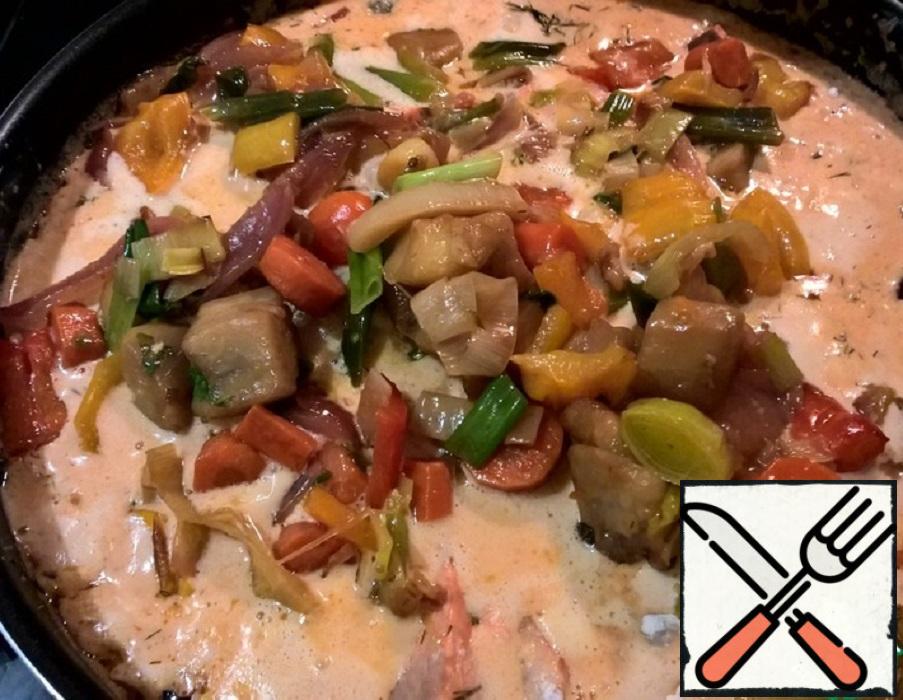
I cook this dish quite often. In my opinion, the main thing in it is the sauce. It is a combination of a delicate creamy taste with the sourness of tomatoes, the piquancy of olives and is complemented by the texture and taste of vegetables. All this goes very well with fish. To do this, fish stew can be cooked in different ways. You can pan in flour and fry, or you can cook in the form of a sou. As a result, the fish turns out to be very tender, and fried a little fatter, but with an additional delicious taste. The combination of red and white fish gives an interesting shade to the dish. Serve with ratatouille, as in this recipe, or with crumbly rice.
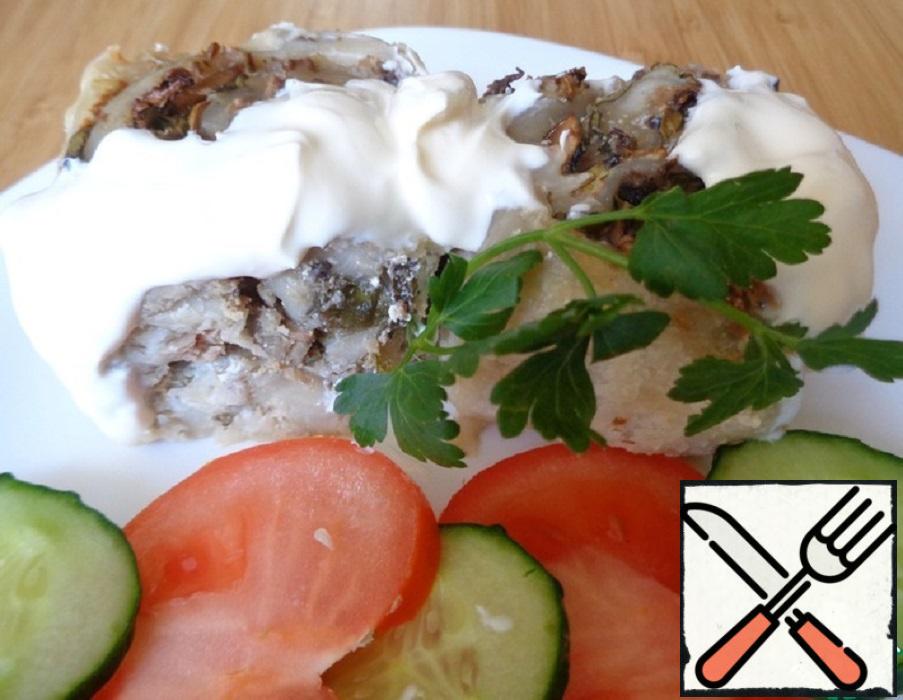
Rolls made of unleavened dough, with a very attractive appearance and a delicious combination of chicken meat, mushrooms, sorrel and spices. The smell of this dish will make the neighbors envy, because it is prepared with the addition of a large number of Italian herbs, which include: marjoram, thyme, oregano, mint, basil and others. As a result, you will get a fragrant lunch or dinner, it will please you with its excellent taste, which resembles the taste of dumplings (mantov).
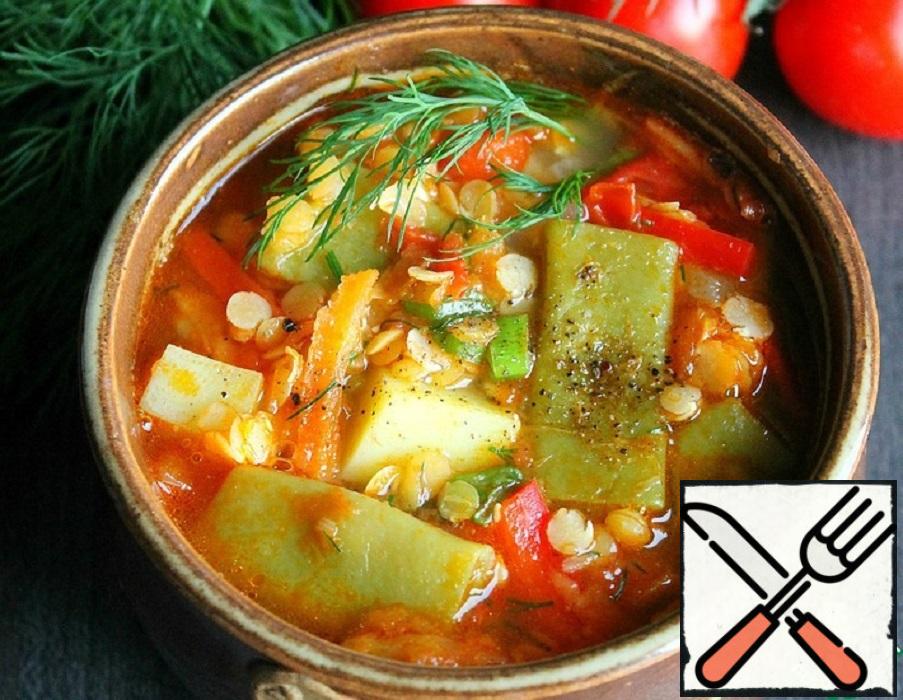
Thick vegetable soup with lentils, tomatoes and young green beans will perfectly diversify your lean menu. The soup turns out to be very rich, fragrant and delicious.