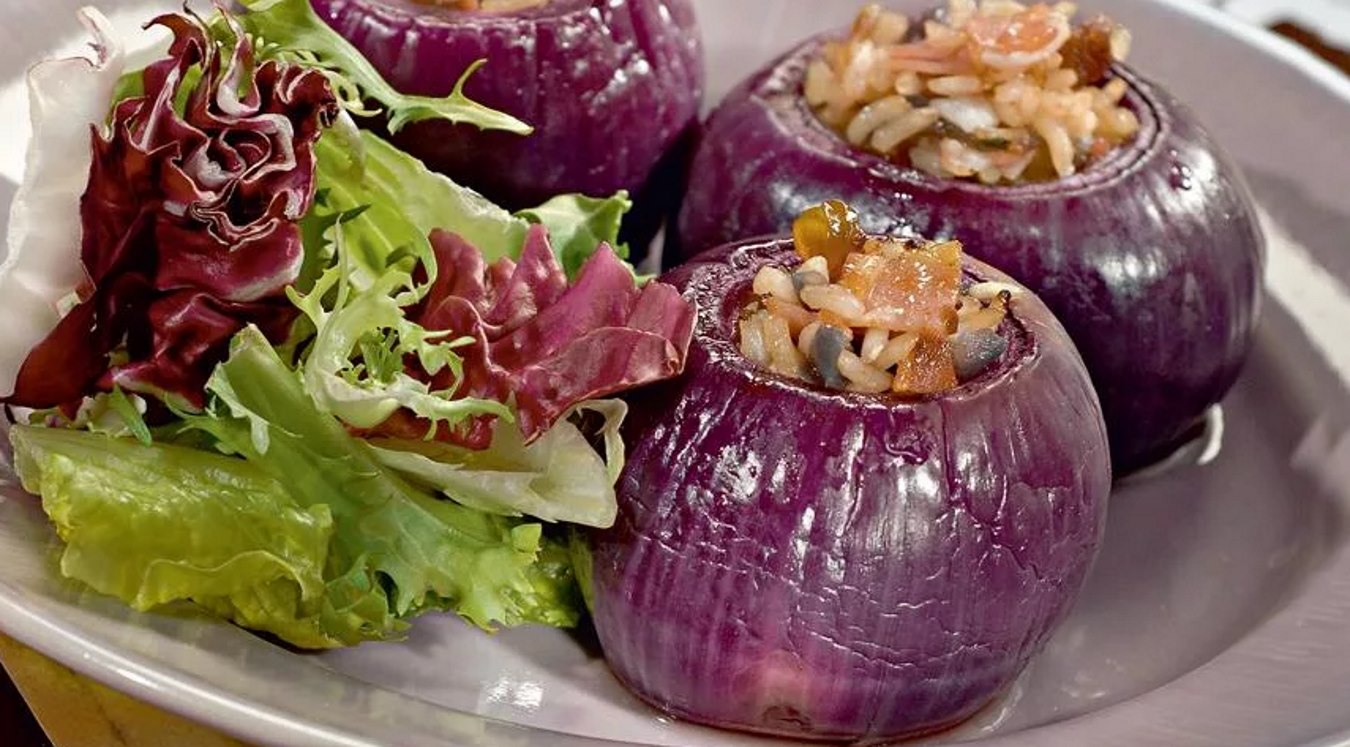
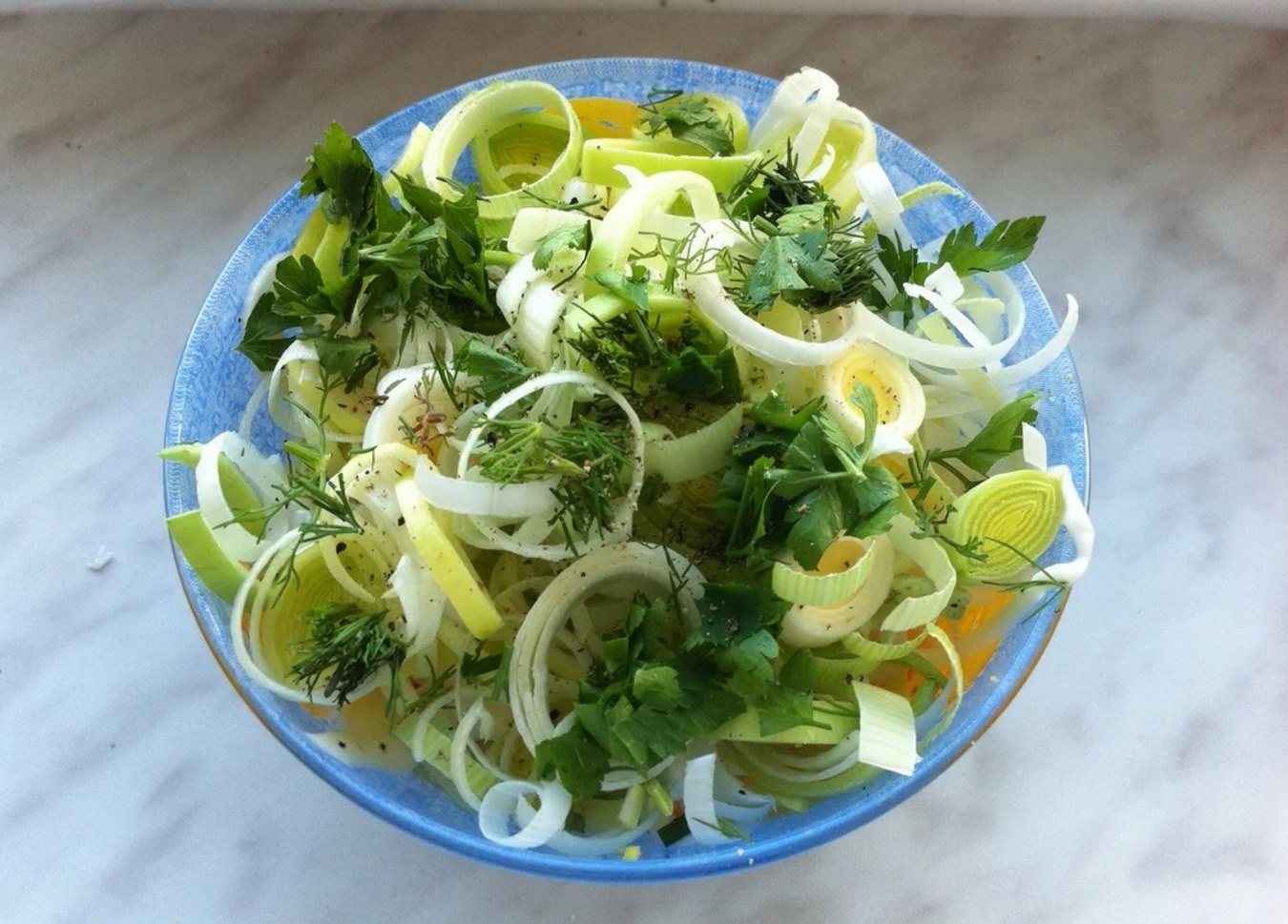
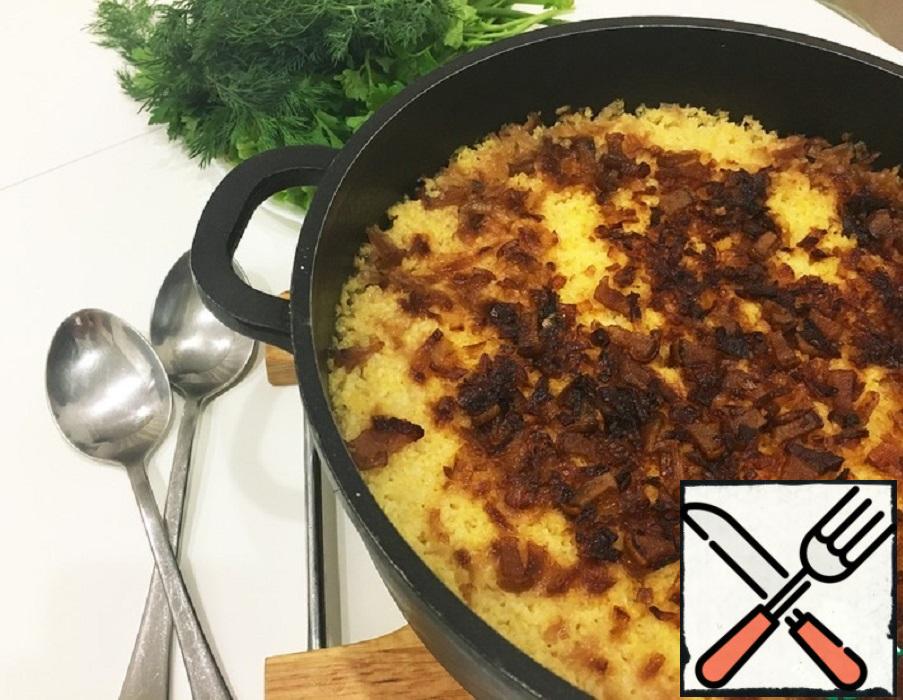
Onions in cooking are used in raw, boiled, fried, pickled and salted types. Although to preserve all the useful properties, minimal thermal exposure is recommended. Onions can be both a flavor seasoning for the main dish (and it is combined with meat, fish, rice, potatoes, flour products, cottage cheese, and other vegetables), and the basis of the recipe. Many national cuisines have their own “branded” culinary products, in which onions can be called a key ingredient: French onion soup, British onion pie, etc. There are some culinary tricks that will allow you to cook this product (or a dish based on it) as tasty as possible: If you add a little granulated sugar to the oil during frying, the onions will brown better. So that the chopped onion does not burn during sauteing, before sending it to the frying pan, you should roll the “straw” in flour. Then it will simply acquire a reddish hue. Onions can be added to minced meat not only to improve the taste, but also to extend the shelf life of the meat part. To get rid of onion bitterness in the manufacture of salads, raw onions are slightly scalded with boiling water, and hands and knife are smeared with wet salt.
When choosing onions, preference should be given to dense clean heads, without damage, holes and stains. The sweetness-bitterness of a vegetable depends not only on the variety, but also on the length of daylight in the place of cultivation (southern onions are considered sweeter), the mineral content of the soil, the softness of the climate, the abundance of precipitation, etc. For example, with a large amount of annual precipitation, sulfur is actively washed out of the soil, which creates prerequisites for growing a sweeter vegetable. However, in general, it is believed that white varieties have a stronger flavor and are better suited for filling pies, red and purple ones have a sweet taste and are well combined in salads and marinades, and the Spanish variety is softer and sweeter, as well as onions with yellow–brown husks are better suited for frying.
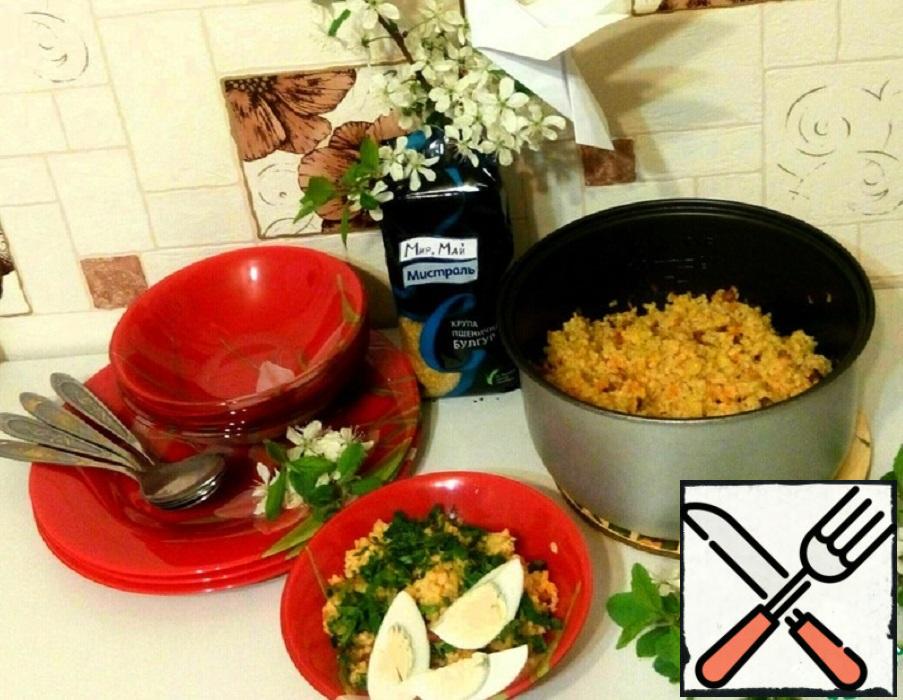
Kulesh is a dish that has become widespread among the Cossacks. It was prepared in the field, it replaced the first and second. The obligatory components of the classic kulesh are millet groats and lard. The rest is what it is. Too much time has passed, and kulesh has changed, falling in love with many people. Well, what kind of May holidays without kulesh and kebabs! Unfortunately, this year it will not be possible to get out into nature (my husband is working). So I decided to cook porridge at home in a slow cooker and experiment with the components. It turned out very tasty! If you also fail with nature or the weather, try my kulesh.
This dish is from the Zaporozhye Cossacks, and maybe from the Hungarian porridge from millet keles, definitely – it is hearty and delicious. The main components of kulesh are cereals and lard, it is prepared even from the white part of the river cattail. The porridge should be thick so that “grain by grain did not run with a stick.”
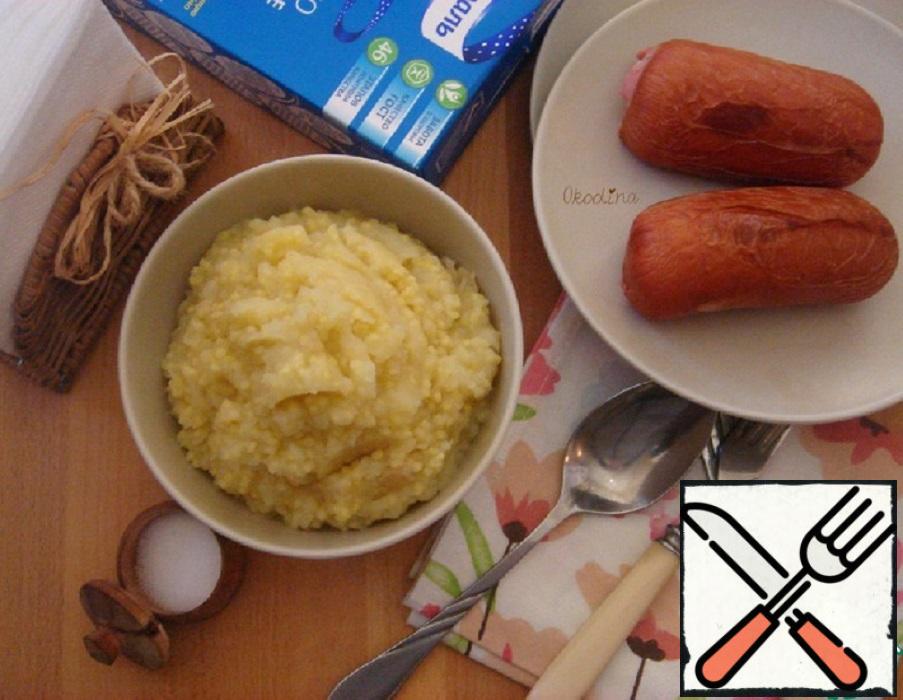
Millet plus potatoes is a dish that is called differently in different localities. Grandma called this dish “Kulesh”. It is very easy and fast to feed them with this dish, which is expensive at the dacha. We will need a minimum of food and very little time – while the flakes are cooking.
Kulesh is a very satisfying dish, it is both the first and the second. So you can please everyone by cooking it. And with a pumpkin, it’s also elegant, and on a chilly autumn day it will warm you up.
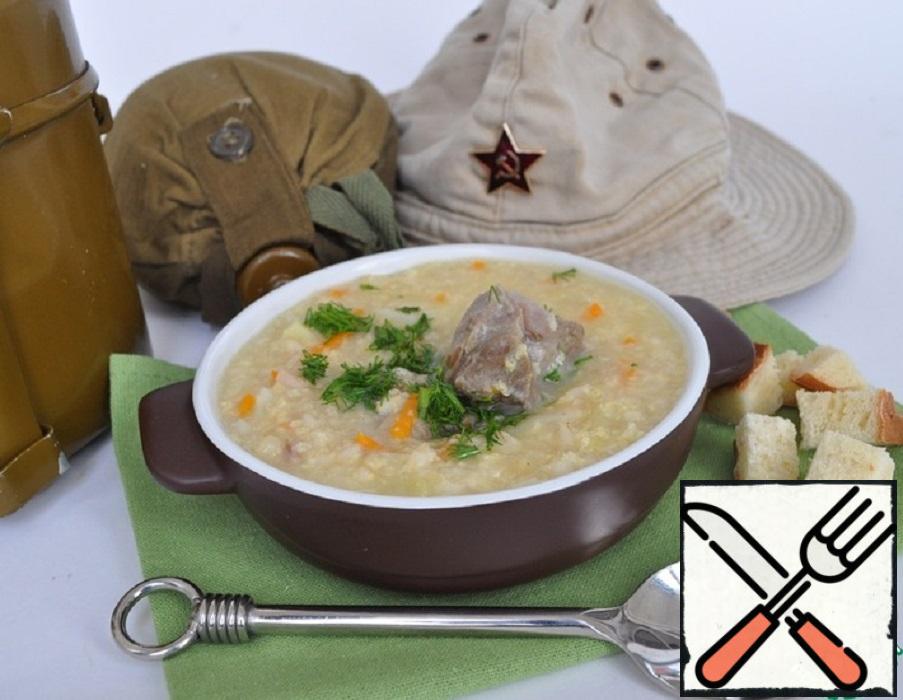
The war, the front, I’m… cooking? The items seem to be difficult to match. Everyone has their own: one in the trench – breadcrumbs soaked in a stream, the other in the office – a delicacy specially brought from the capital by plane… When guns speak, the muses, apparently, must remain silent. Including Colin, the patron saint of chefs. But, as the Russian people say, as you fall, you will drown. In other words, war is war, and lunch is on schedule. And today, when interest in the culinary side of our life has increased dramatically, there is almost no one to tell that a Russian soldier, like two hundred years ago, could cook porridge even with an axe, and his gastronomic savvy was matched by the ability to beat the enemy. This is one of the most widely used recipes during the war. Kulesh is a thick soup or not very thick, but very satisfying porridge.
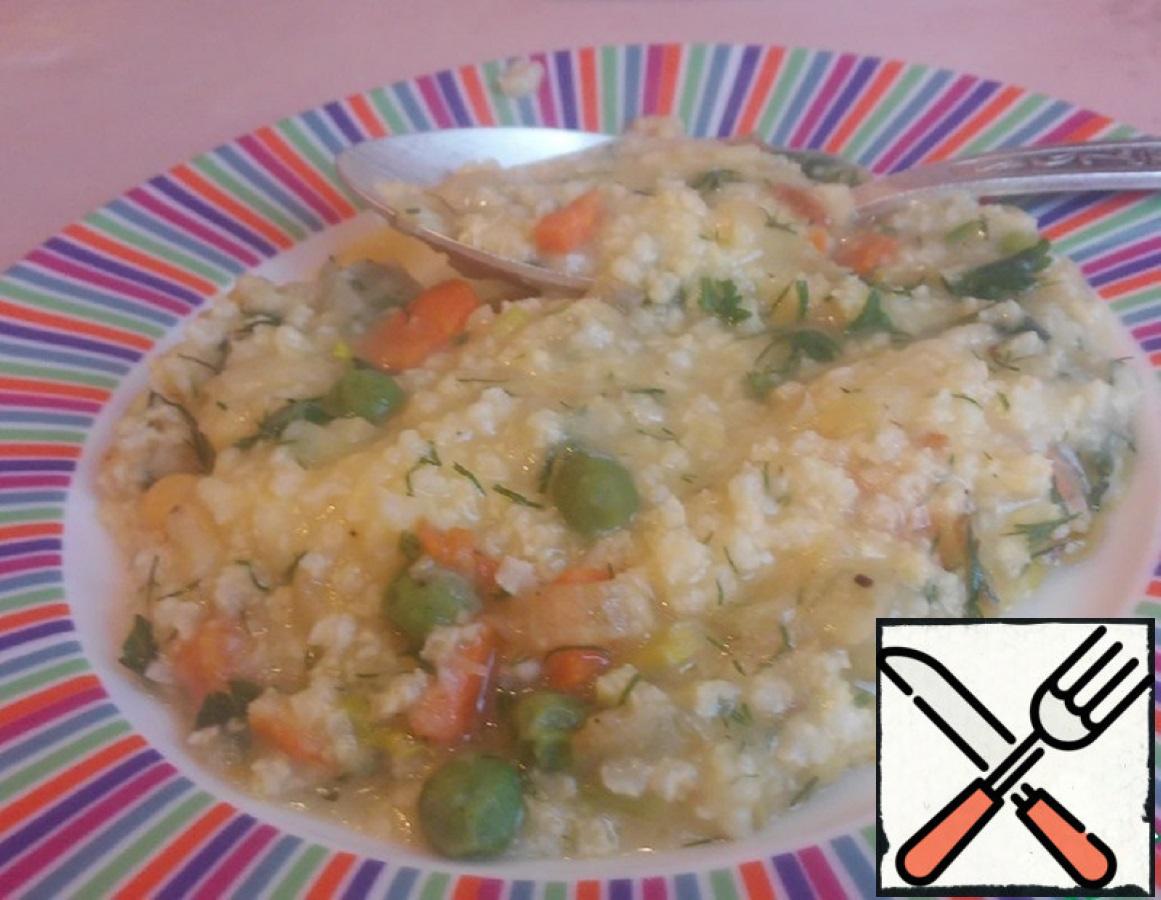
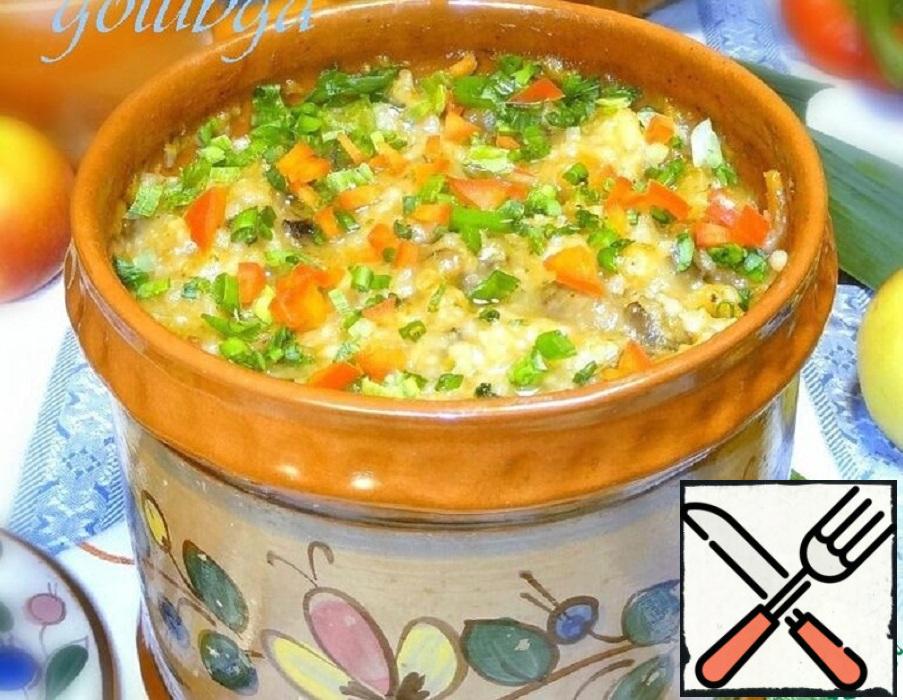
Kulesh (Kulish) is a dish of Zaporozhye Cossacks. A real Cossack kulesh — spring water, Sumy millet and wild garlic, and all that. Nowadays, the recipe for kulesh has changed, it is porridge with the addition of other ingredients. Any cereal is good in kulesh, but it is better if it is boiled. I decided to try to cook a low-fat mushroom kulesh with rice and vegetables, but nutritious, delicious and very fragrant.
My grandmother always said that kulesh should be cooked “with a soul and slowly.” And today I realized the secret of this delicious dish. I’ve always cooked according to this recipe, but today it turned out especially delicious. I did everything slowly and in the very warm company of our friends. My husband gave me this name. After the first spoonful he said: “This is a real kulesh!”