Russian cuisine is diverse, hearty, and reflects the vastness of the country’s geography and cultural influences. It is characterized by its reliance on staple ingredients like grains, root vegetables, and meats, as well as its emphasis on preserving methods. Traditional Russian meals are known for their abundance, with soups, stews, and hearty dishes taking center stage. The cuisine is a blend of Slavic, Baltic, Siberian, Caucasian, Central Asian, and Eastern European influences.
History of Russian Cuisine
Ancient Roots: Russian culinary traditions have deep roots in the agricultural practices of ancient Slavic tribes. Grains, particularly wheat and barley, were staple foods.
Mongol-Tatar Influence: The Mongol-Tatar invasion in the 13th century introduced new ingredients like rice, spices, and various cooking techniques. Russian cuisine adapted by incorporating these influences.
Tsarist Era: During the Tsarist era, Russian cuisine saw the introduction of more elaborate and refined dishes influenced by French and European cuisines. The aristocracy embraced French culinary styles, leading to the creation of dishes like beef stroganoff.
Soviet Period: The Soviet period brought changes to Russian cuisine due to economic factors. Convenience foods became more prevalent, but traditional dishes like borscht and pelmeni remained popular.
Post-Soviet Era: With the dissolution of the Soviet Union, there has been a revival of interest in traditional Russian cuisine. Chefs explore regional variations and incorporate modern cooking techniques.
Commonly Used Ingredients in Russian Cuisine
Buckwheat (Gretchka): A staple grain in Russian cuisine, buckwheat is used in kasha (porridge) and various side dishes.
Potatoes: Versatile and widely used in Russian dishes, potatoes are a key ingredient in soups, stews, and side dishes.
Cabbage: Both fresh and fermented cabbage play significant roles in Russian cuisine. Cabbage is used in soups like shchi and as a main ingredient in dishes like golubtsy (stuffed cabbage rolls).
Beets: The vibrant color of beets is a common sight in Russian cuisine. Borscht, a beet soup, is a classic example.
Carrots: Carrots are used in a variety of Russian dishes, adding sweetness and color. They are commonly found in soups and stews.
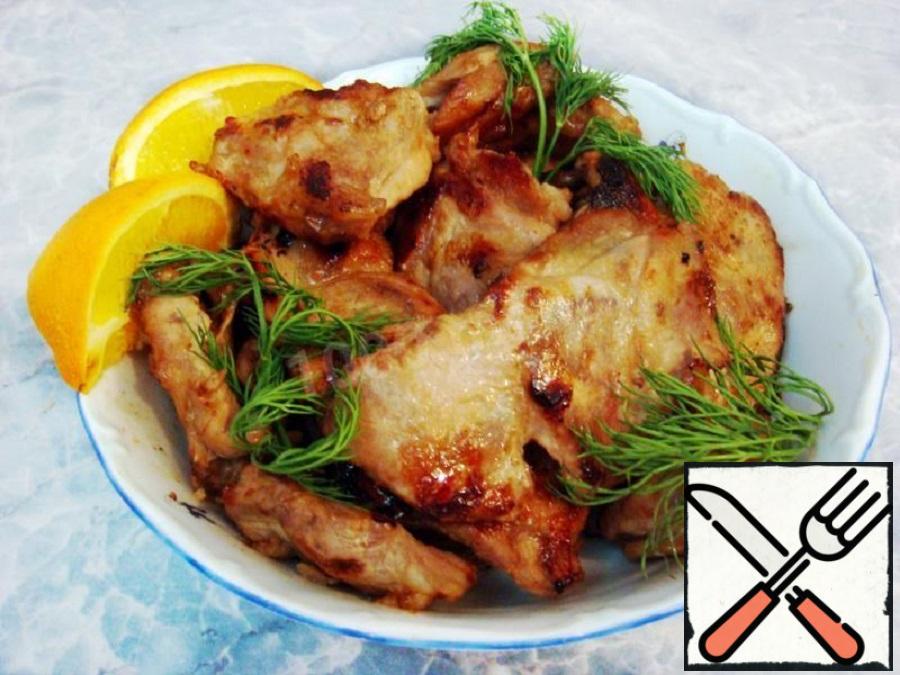
Meat (Beef, Pork, Chicken): Meat is a fundamental component of Russian cuisine. It is used in various forms, from hearty stews like beef stroganoff to grilled shashlik.
Fish: With access to rivers and the Baltic Sea, fish is an important protein source. Salted and smoked fish are popular, as seen in dishes like shuba salad.
Dill: A ubiquitous herb in Russian cuisine, dill adds a fresh and aromatic flavor to many dishes, including soups, salads, and sauces.
Sour Cream (Smetana): A staple condiment, sour cream is often drizzled over soups, blini (pancakes), and other dishes, providing richness and tanginess.
Mushrooms: Foraged wild mushrooms, such as porcini, play a significant role in Russian cuisine. They are used in soups, sauces, and various main dishes.
Popular Dishes in Russian Cuisine
Borscht: A hearty beet soup, borscht is often made with meat, cabbage, and root vegetables. It is served hot or cold, with a dollop of sour cream.
Pelmeni: Dumplings filled with minced meat, usually beef or a mixture of pork and beef. They are typically served with butter or sour cream.
Shchi: A cabbage soup that can be prepared with various additional ingredients like meat, mushrooms, or sauerkraut.
Beef Stroganoff: Sliced beef in a creamy mushroom sauce, typically served over rice, pasta, or mashed potatoes.
Olivier Salad: A festive salad made with boiled potatoes, carrots, peas, pickles, and mayonnaise. Often served during holidays.
Piroshki: Small, baked or fried buns filled with a variety of ingredients, such as meat, cabbage, or potatoes.
Kotleti: Russian-style meat patties, usually made with ground meat, breadcrumbs, and seasonings. They are pan-fried and served with a side dish.
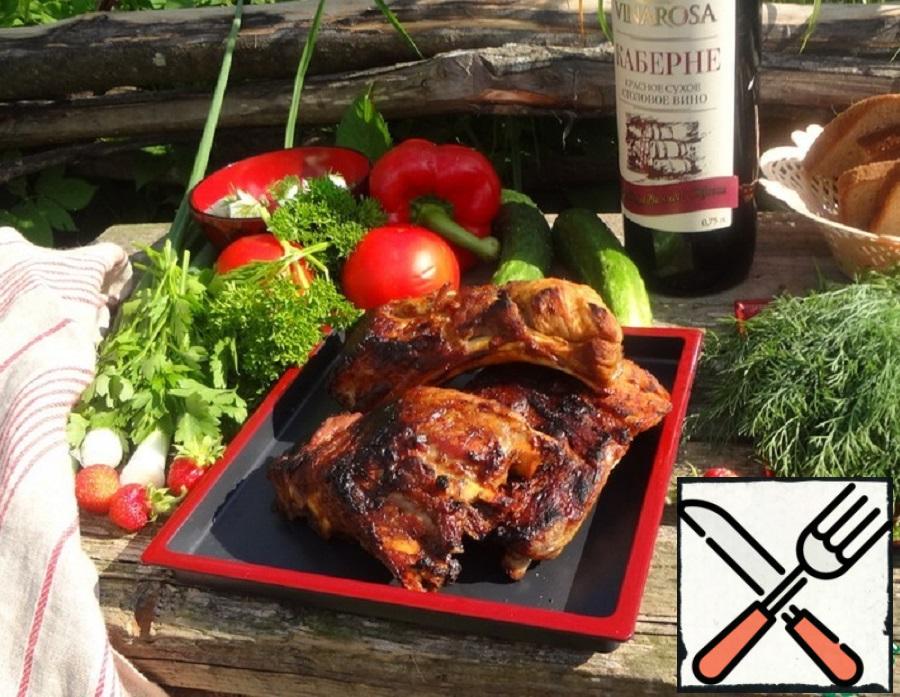
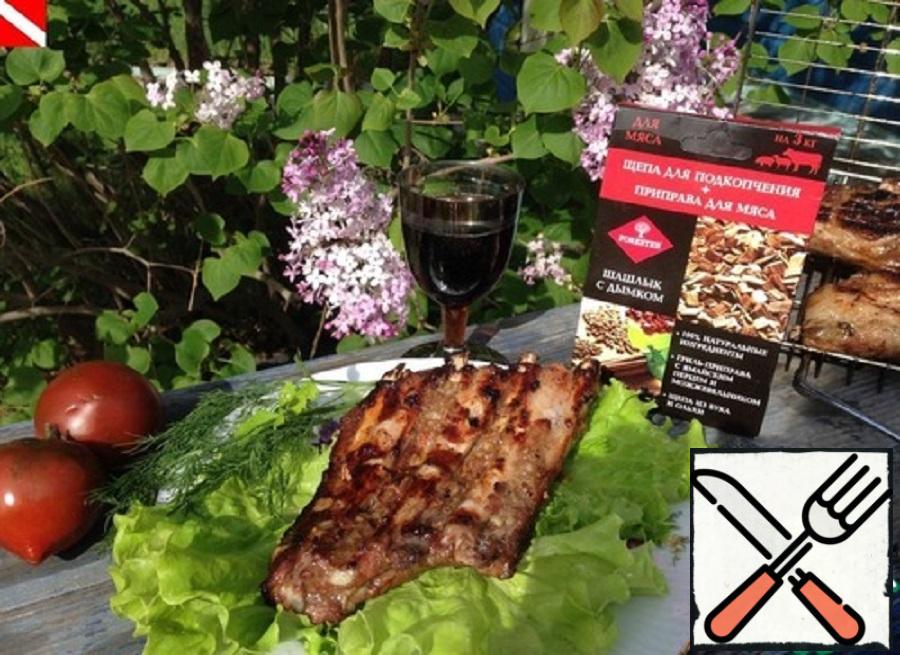
Shashlik: Marinated and grilled skewers of meat, commonly enjoyed during outdoor gatherings.
Solyanka: A hearty and sour soup made with various meats, pickles, olives, and sometimes mushrooms.
Golubtsy: Cabbage rolls stuffed with a mixture of ground meat and rice, often served with a tomato sauce.
Pirog: A traditional Russian pastry, often sweet, filled with fruits, berries, or jams.
Kasha: A porridge made from various grains, with buckwheat kasha being a popular and nutritious choice.
Kholodets: A cold meat jelly made from pork or beef, usually served with mustard or horseradish.
Medovik: A layered honey cake, with sweetened sour cream between the layers.
Shuba Salad: A layered salad made with beets, potatoes, herring, carrots, and mayonnaise, often served during celebrations.
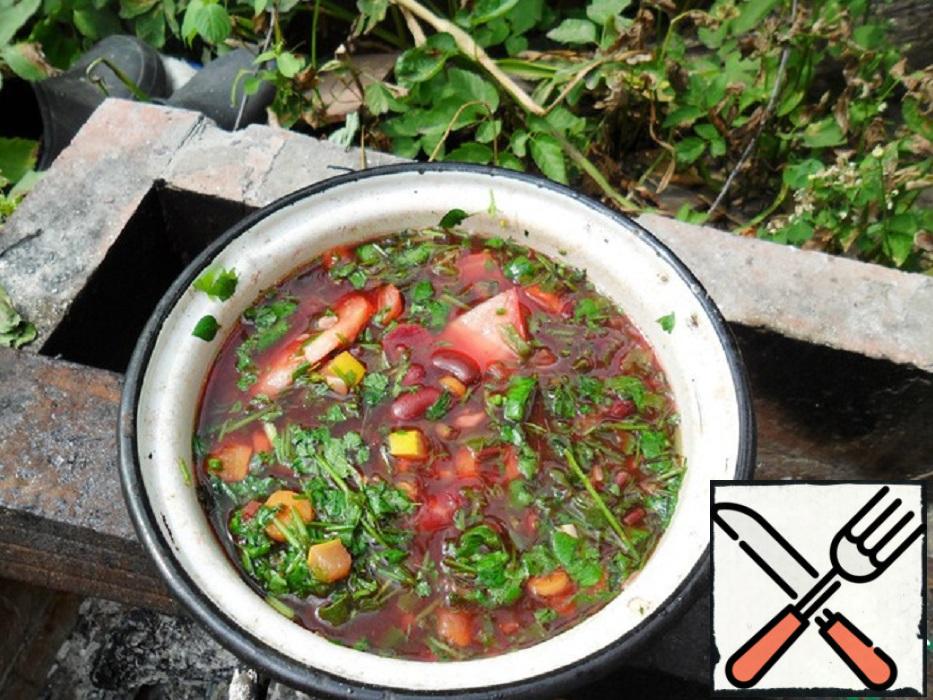
We were very cold, and immediately wanted something hot and satisfying. And what could be better than borscht in this weather? Only borscht with a lid! Thick, rich, with a light aroma of fire – it will not leave anyone indifferent!
When posting the recipe for borscht, I thought – I probably need to have the courage to post the next version of this dish on our website! Do not judge strictly – I have weighed all the pros and cons and made a decision! We cook this borscht all summer in the country, right on the fire, very useful and really summer!
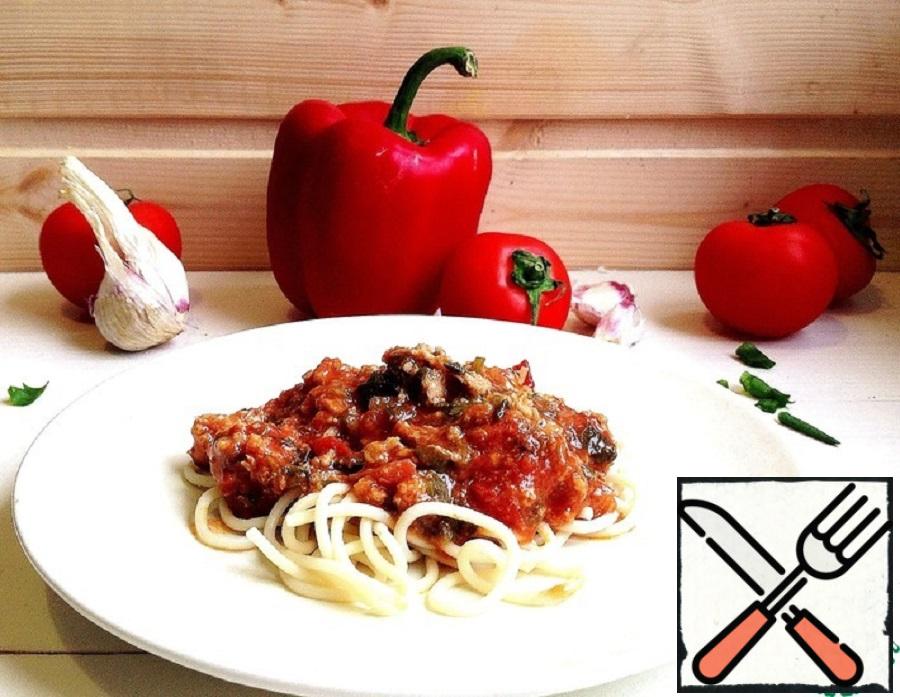
I like to cook, allowing maximum variety in the use of ingredients, proportions, etc. Pasta with Bolognese sauce is from this series. The base is minced meat with tomatoes or tomato paste. Then you can dream up, add ingredients, replace them with similar ones.
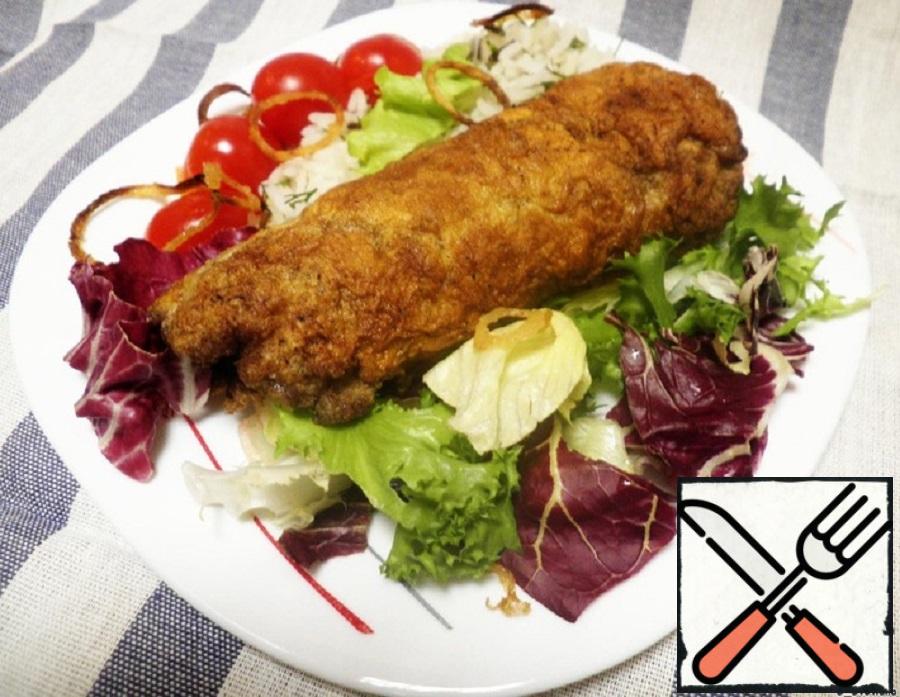
Brizola is a delicious dish that does not require pre-cooking. The recipe resembles a different kind of cutlets. But this is not a cutlet. Try to cook.
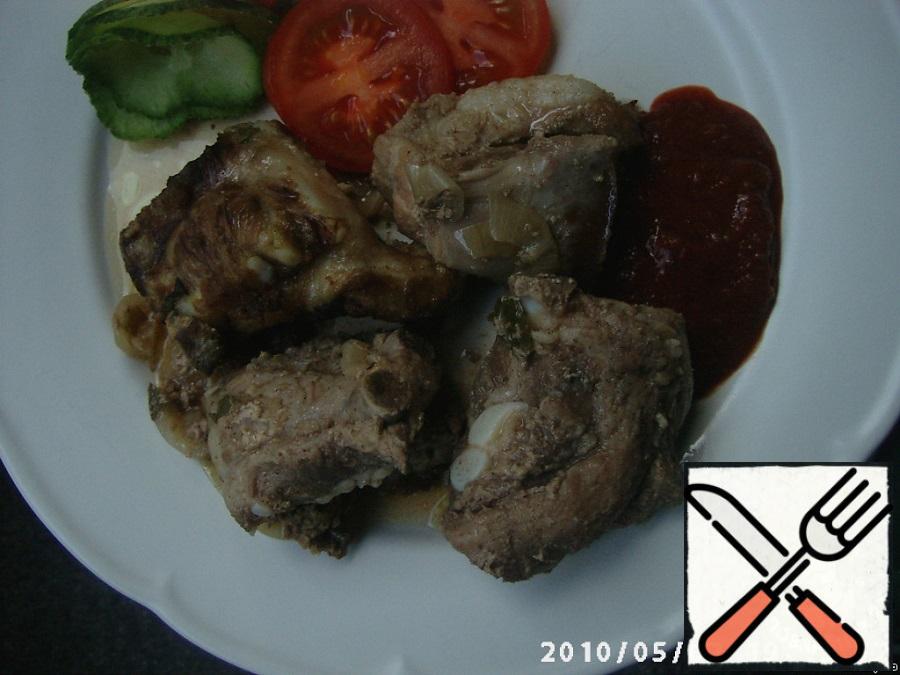
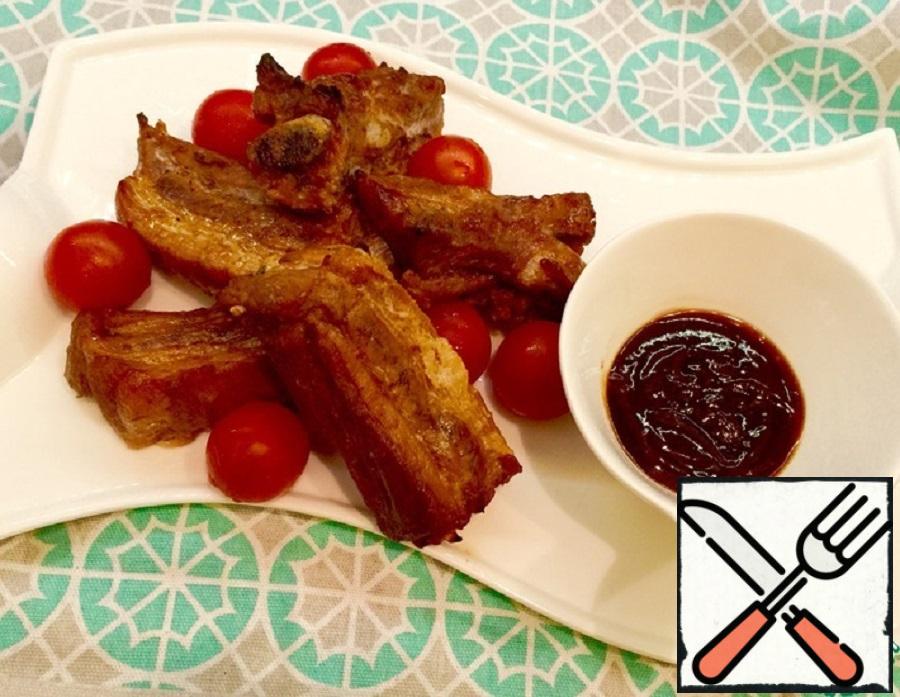
Very tasty ribs! Yummy, I love the combination of meat and fruit! This is a great recipe! It will be useful both for a festive table and for going out into nature. Everyone will be happy.
If you have pork ribs in the refrigerator and you are going on a weekend picnic with friends, then delicious grilled meat is provided for you. In order for you to enjoy the full program, I suggest you do a little preliminary training at home.
The site has many recipes for ribs baked in the oven. But it was with this marinade that I found. My husband said that if these ribs are cooked as a barbecue, they will be very tasty.
Why do we marinate barbecue meat? Personally, I have two reasons – to make the cooked meat soft, very tasty and tender and to discover new tastes and get fresh impressions (well, I am very curious by nature). They do not like acidic components in the marinade, such as vinegar, lemon juice (the acids contained in the marinade components change the structure of meat and destroy connective tissue cells), so they are always on the lookout for new components. Well, why not try the Coca-Cola marinade?!
I bought fresh chilled ribs three weeks ago, in the morning. By the evening it turned out that no one would eat them that day! He must have been frozen. Today I decided to cook them. I was afraid it would be too harsh, especially since I marinated for only 30 minutes! But it turned out just fabulous!! Soft, tender, juicy! I suggest you try this wonderful recipe!