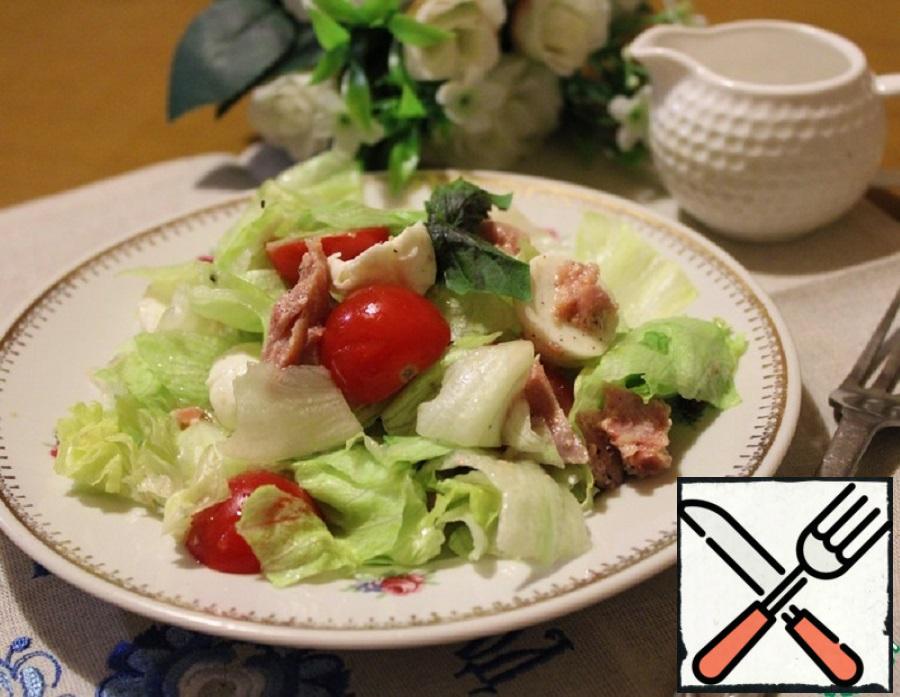
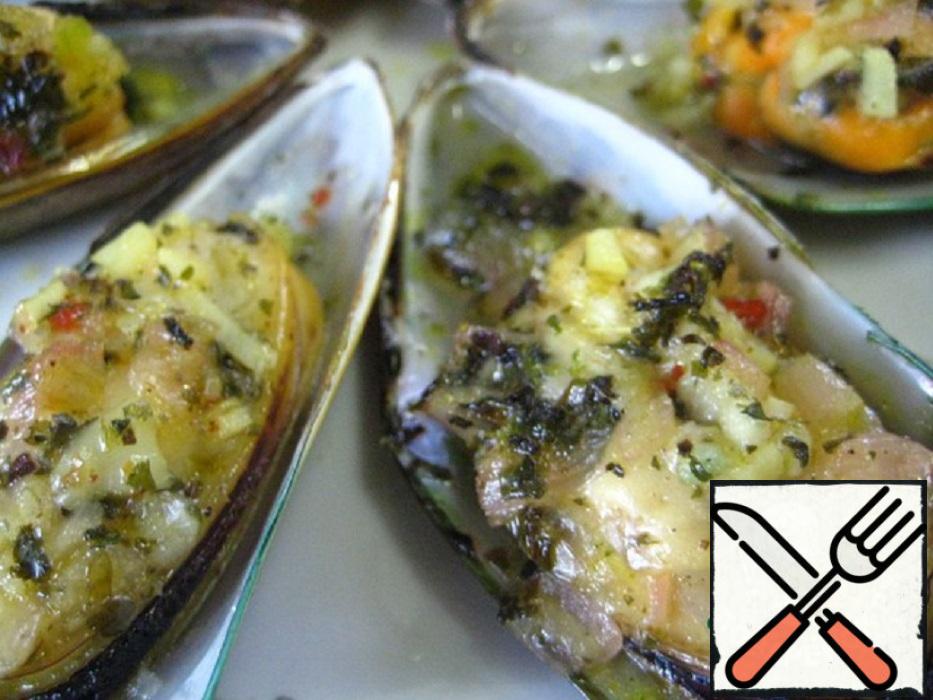
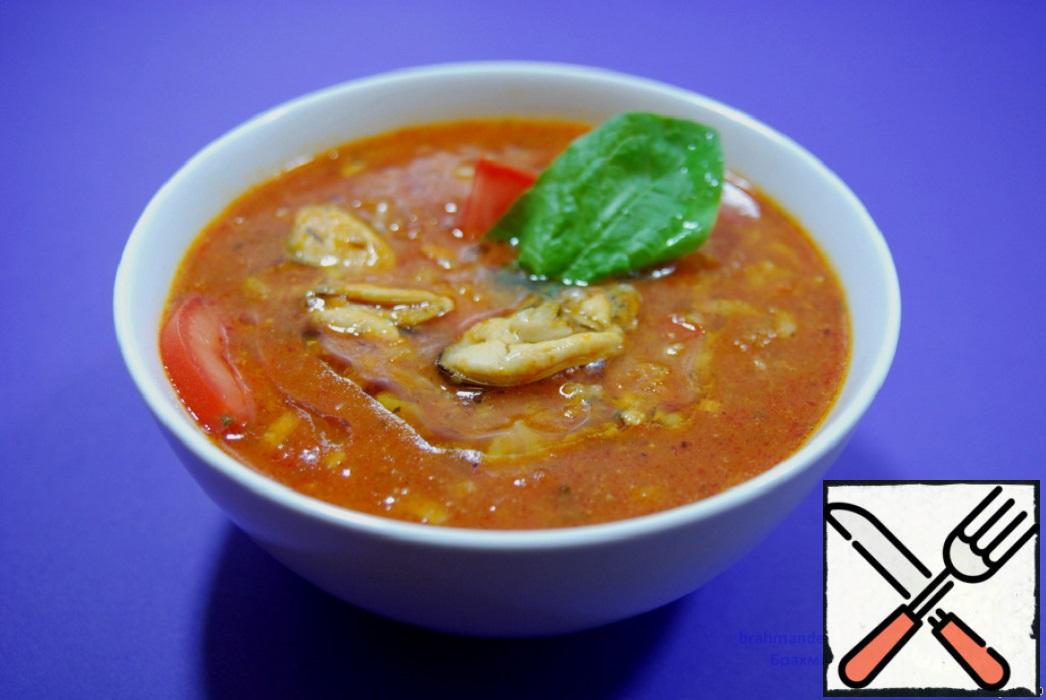
Fans of mussels will certainly enjoy this fragrant and savory snack, moreover, it can be consumed both hot and cold. The taste is spicy, garlic.
Best Food Recipes 2023 Step by Step with Pictures
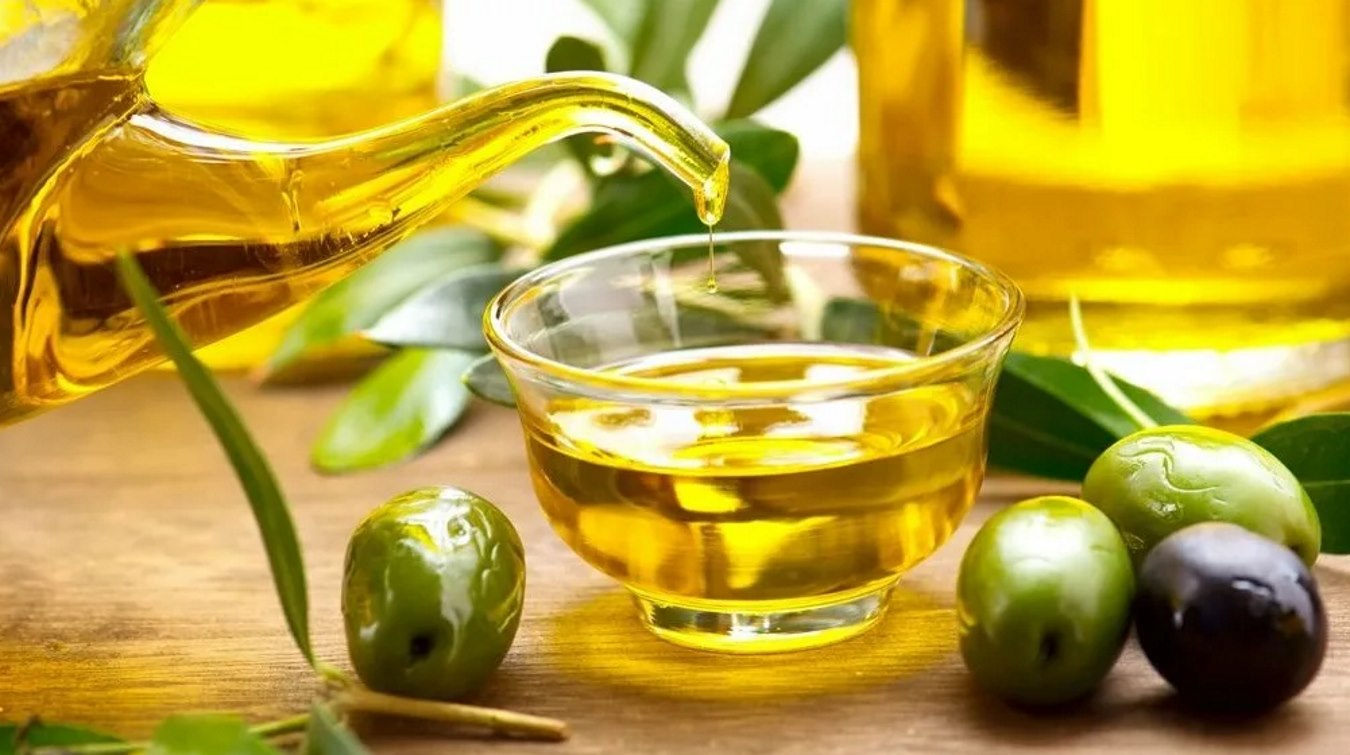
Olive oil of the highest category (extra virgin) is essentially freshly squeezed olive juice, which professionals call first–pressed oil. This oil is obtained by cold pressing the fruits and separating the excess liquid in a centrifuge. Fresh olive is a capricious product, and within a day after harvesting it begins to oxidize, lose its shape, taste and aroma, so olives are turned into oil as close as possible to the place of collection and never transport fruits over long distances. This means that the first-pressed oil retains the unique aroma of olives of the region where it was made. Notes of flowers and fruits, artichokes and fresh grass.
Such a bright personality requires careful handling: extra virgin olive oil works best in its natural form at room temperature in salads, appetizers, sauces and even in cold desserts. Many manufacturers enrich its notes with additional flavors – basil, lemon zest, garlic, dried tomatoes and truffle. So the oil turns into a ready-made refined dressing. It is enough to dip a piece of ciabatta in olive oil with the aroma of noble white truffle to feel a powerful polyphony of flavors.
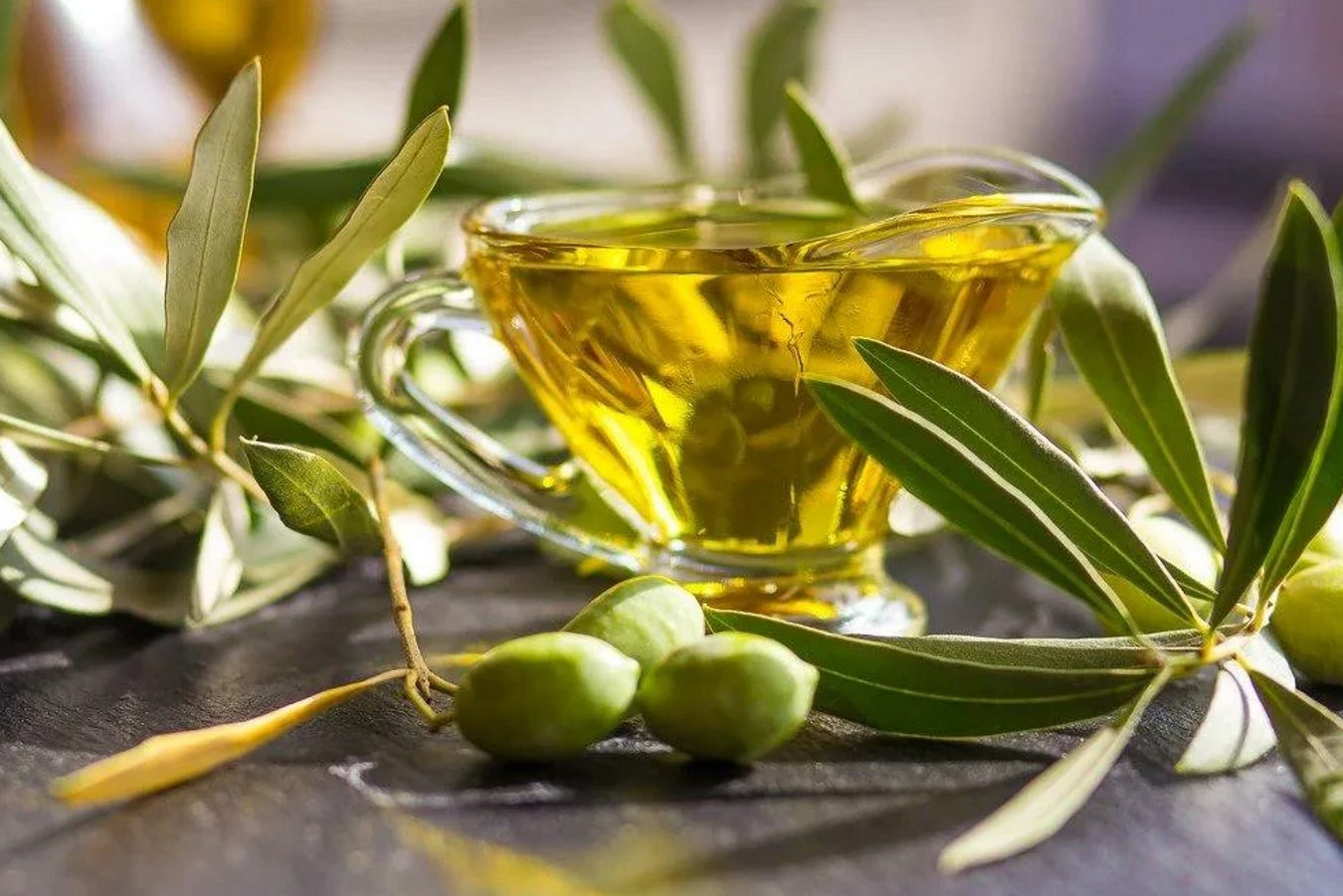
Many home cooks are sure that frying and stewing in extra virgin olive oil is not right. From the heat, fragile natural flavors are destroyed, the oil changes texture and color, and the piquant bitterness turns into outright bitterness. But this is only partially true. In fact, the so–called “smoking point” (that is, the temperature limit after which all of the above irreversible processes begin to occur in the oil) even in first-pressed oil is quite high – up to 180 ° C, depending on the acidity of the product. In other words, if the dish is slowly languishing or baked in the oven with gentle heating, extra virgin oil releases all its flavor and transmits it to the products, which is exclusively beneficial for fish, meat or vegetables. This is the secret, for example, of the Provencal ratatouille – only mixed vegetables cooked in “virgin” olive oil turn into a luxurious, fragrant southern sun whole.
But if we are talking about high temperatures – deep-frying or frying in a hot frying pan, then the temperature shock will kill all living things. For these purposes, it is logical to use refined olive oil: it is sold both in pure form and mixed with a small amount of extra virgin (usually in a percentage ratio of 80:20). This oil is a workhorse in the kitchen, it is more affordable and absolutely universal, suitable for salad dressings and frying in a frying pan. Due to the high density, olive oil practically does not penetrate into the product during frying. And this is good news for those who want to eat a ruddy steak and observe the principles of a healthy diet: after frying, it is easy to remove excess olive oil with a paper towel.
It is worth considering that due to the high density, olive oil practically does not penetrate into the product during frying. The only thing to avoid is deep–frying and a hot frying pan

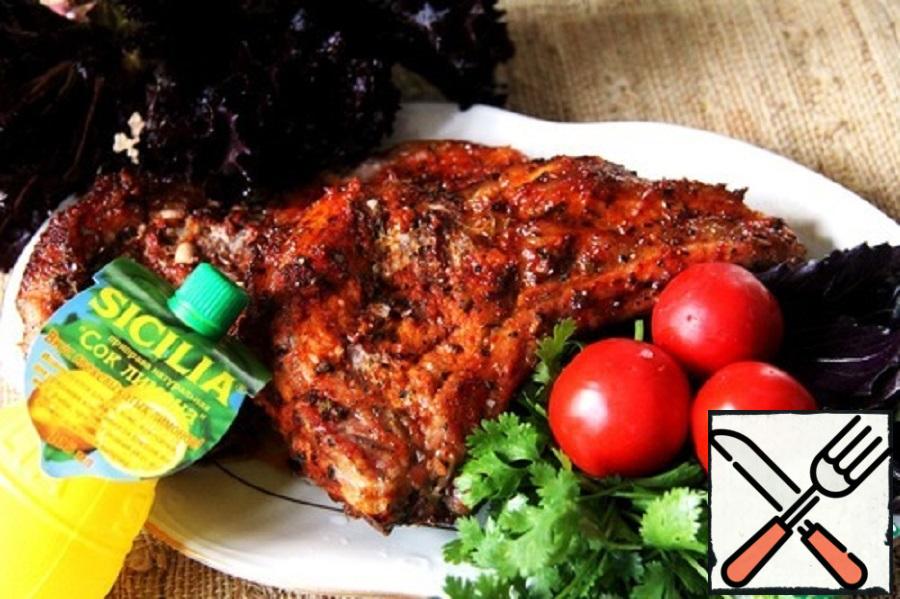
A great option for cooking such cutlets both for a picnic and for a festive feast. We decided to grill them on coals, but a sudden downpour changed all our plans. But only plans for the cooking option! The appetite and taste of the dish did not suffer at all from the fact that we cooked it in the oven: tender, tasty, fragrant, soft and very juicy!

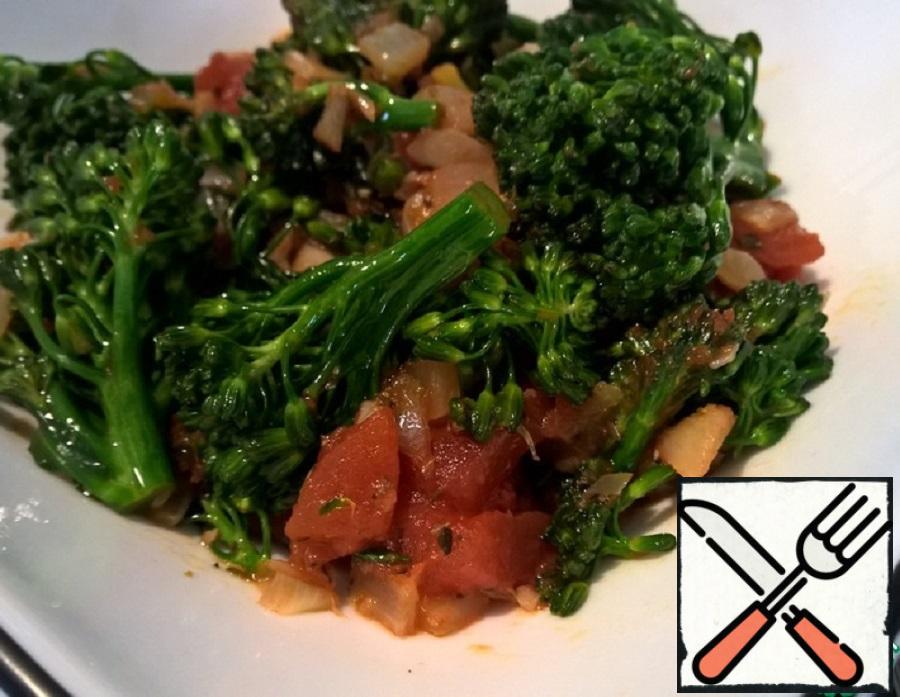
The pleasant and delicate taste of young broccoli combined with the piquant taste of classic French mayonnaise sauce gives a rather interesting bouquet. I like to leave tomatoes and onions in the sauce in pieces (they turn out soft when preparing the sauce), but if you want a more tender one, chop the broccoli in a blender before adding the sauce. This dish can be prepared for breakfast on weekends or served as a snack on a festive table. It can be used as a vegetable side dish.
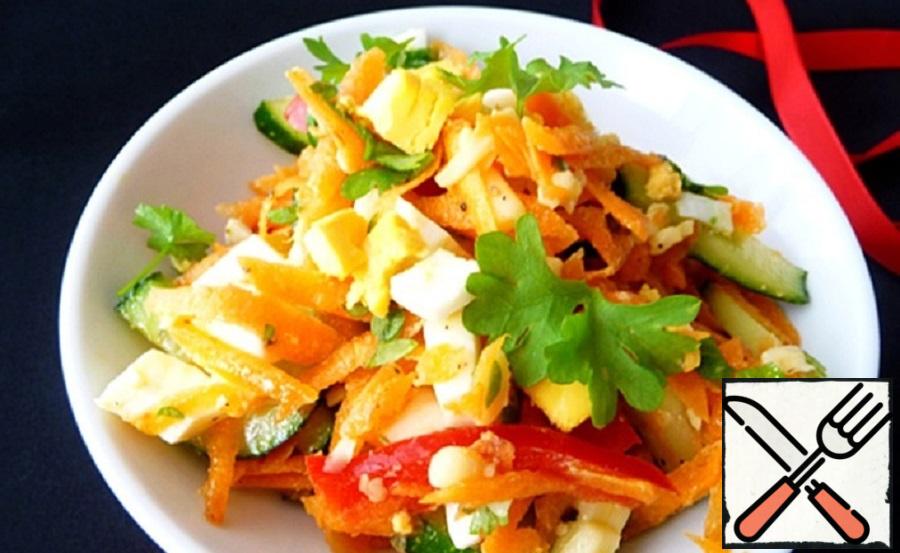
Carrot salad with cucumber, sweet pepper, egg and cheese. This salad turned out to be hearty and very tasty. But in order to fully benefit from these salads, it is recommended to fill them with vegetable oil (preferably olive oil), which helps the body better absorb carotene. For lovers of spicy, you can add garlic.