Tomatoes are widely used in cooking. They are used as an ingredient in appetizers, first and second courses, salads – both raw and ready-made. Salads with fresh tomatoes, tomato soups, sauces, pizza and pasta with tomato dressing have become quite familiar to us.
How to Cook Tomatoes
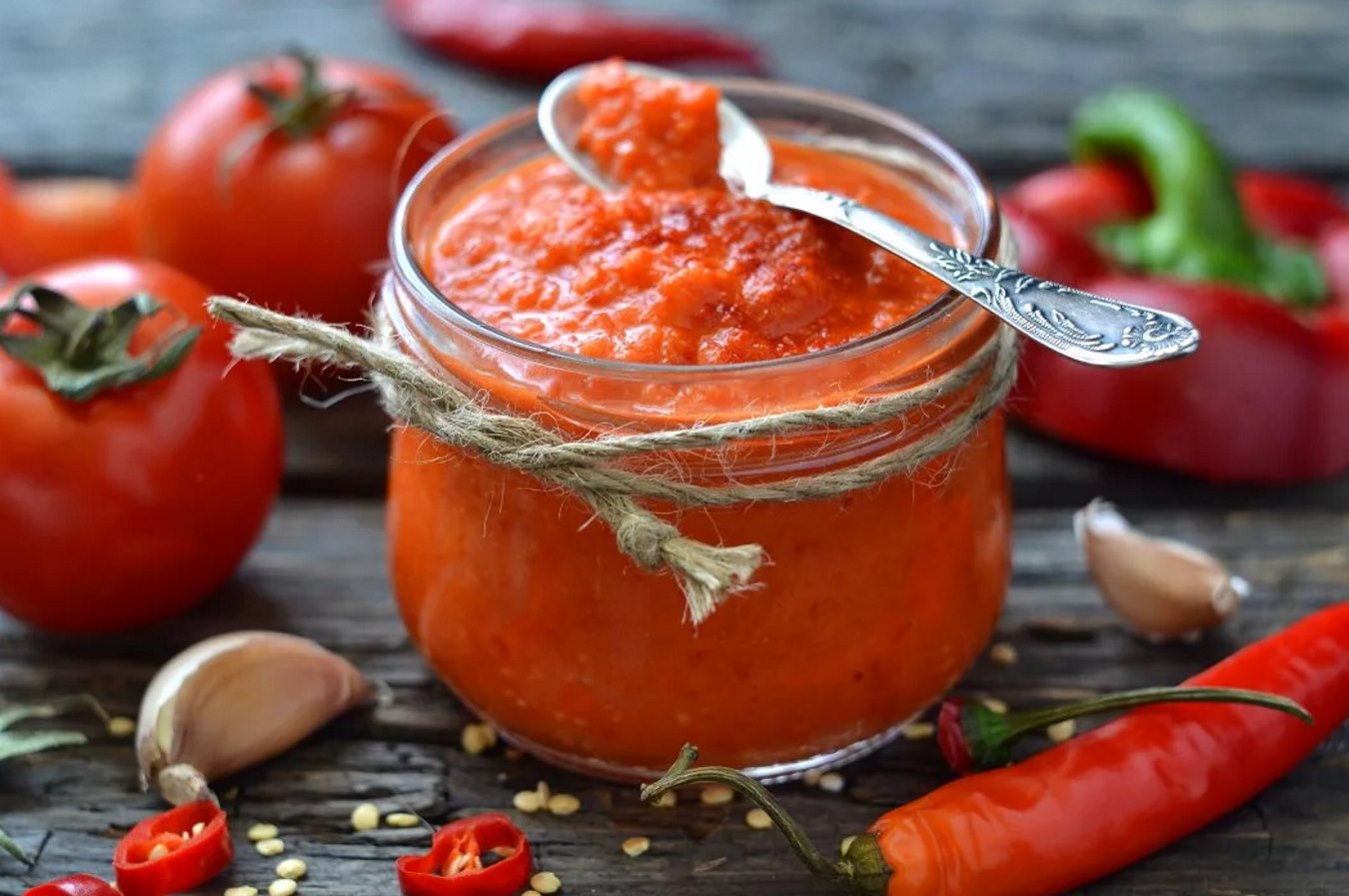
Tomatoes are successfully used for cooking various types of canned food. Fruits contain a significant amount of acid, which makes it possible to limit the production of canned food to sterilizing them in boiling water. Depending on what taste the cook wants to achieve, tomatoes can be pickled, salted, boiled sweet sauce, juice or drink. As a rule, sugar, salt, vinegar, citric acid and all kinds of spices are used in any kind of canning. With proper preparation, the product can be stored in a dark, cool place for several years. These preserves are always an excellent addition to side dishes, meat, fish, salads and an independent snack. A well–known tomato product is ketchup, a sweet tomato sauce with seasonings.
Combination with Other Products
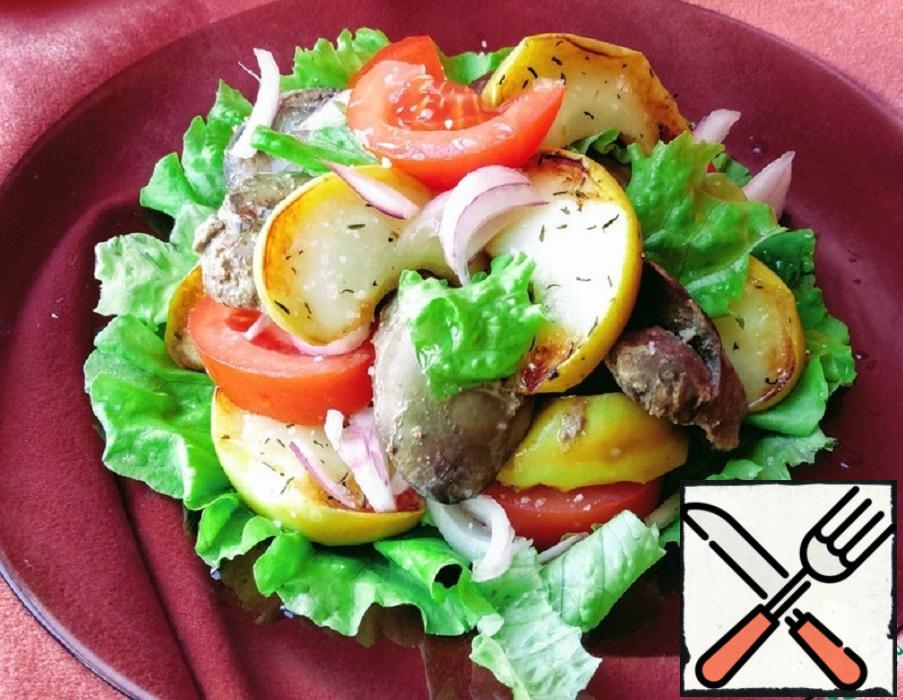
Tomato is not desirable to combine with starch-containing and cereal products. It is recommended to eat tomatoes with herbs and vegetables that do not contain starch. It is advised to take tomatoes with proteins and fats, thus improving their assimilation. A useful combination is tomato and avocado, as well as broccoli. The usual combination of tomatoes and cucumbers is not as useful as it seems – the components of these vegetables, according to recent studies, mutually interfere with the assimilation of various components of each other. Tomatoes with liver or olive oil are considered useful combinations.
The Use of Tomatoes in Drinks
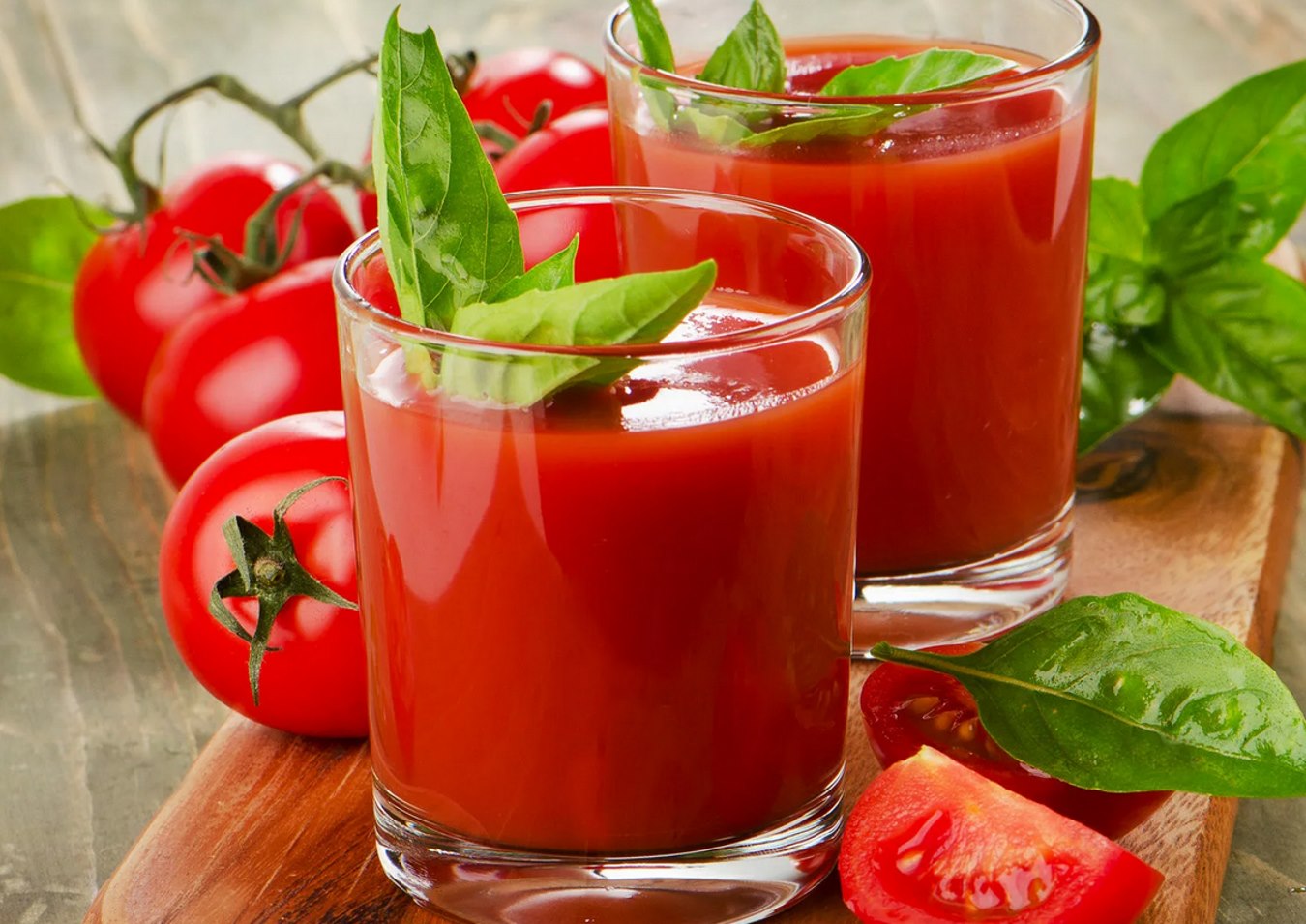
The most famous tomato drink, as expected, is tomato juice. It is consumed both in its natural form and with the addition of salt, pepper, celery, Worcestershire sauce, lemon and lime juice. In addition, tomato juice is used as a component of several alcoholic cocktails. Tomatoes can be added to vegetable smoothies based on yogurt, as well as to prepare diluted drinks with spices from them.
Types of Tomatoes
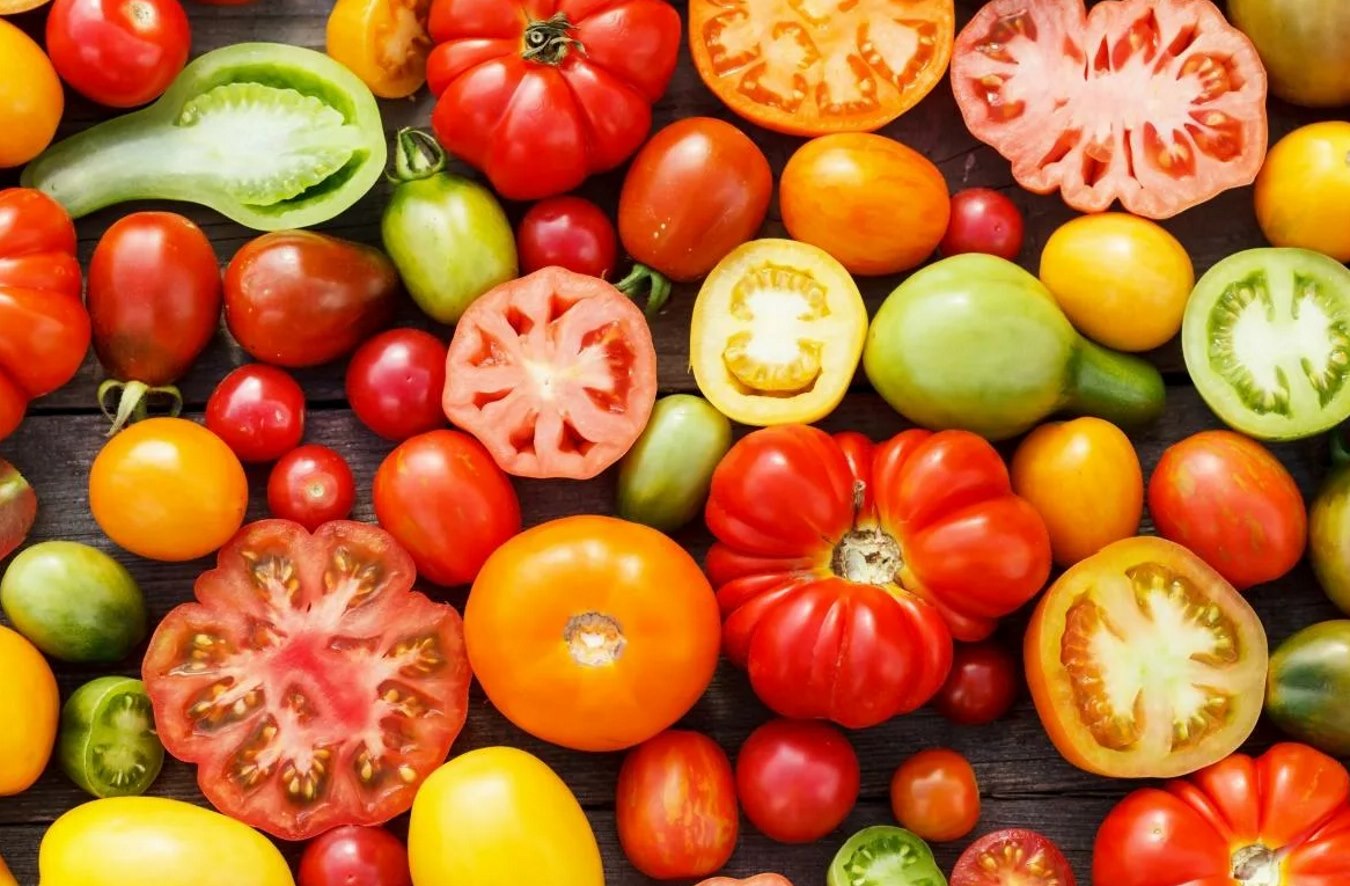
There are hundreds of types of tomatoes – small cherry the size of a grape, huge tomatoes weighing 600-800 grams, juicy for salads and fleshy for pasta, campari and – these are just the most famous of the many varieties. The color of the fruit, in addition to red, can vary from white, orange, yellow, green to purple and chocolate.
How to Choose and Store Tomatoes?
Ripe tomatoes have a rather rich aroma. If there is no smell, most likely the tomatoes were picked unripe. The peduncle should be small. When choosing tomatoes, you need to pay attention to the smoothness of the skin, the absence of cracks, spots and traces of blows. A fully ripe tomato is soft and springy, but you can choose it only if it is consumed immediately. Overripe tomatoes are always good for sauces and soups. In healthy fruits, the skin is thin, and the flesh is monotonous. If white thin veins are visible in the pulp, there are white spots in the core, and it itself is “plastic” to the touch – it means that there are nitrates in the tomato.
The storage conditions of a tomato directly depends on how ripe it is. Room temperature will accelerate the ripening process. Therefore, if you want the tomato to ripen, feel free to leave it warm. Ripe tomatoes are best stored at a temperature of about 12 degrees Celsius. At this temperature, the tomato will cease to ripen, but it will not lose its taste and useful properties.
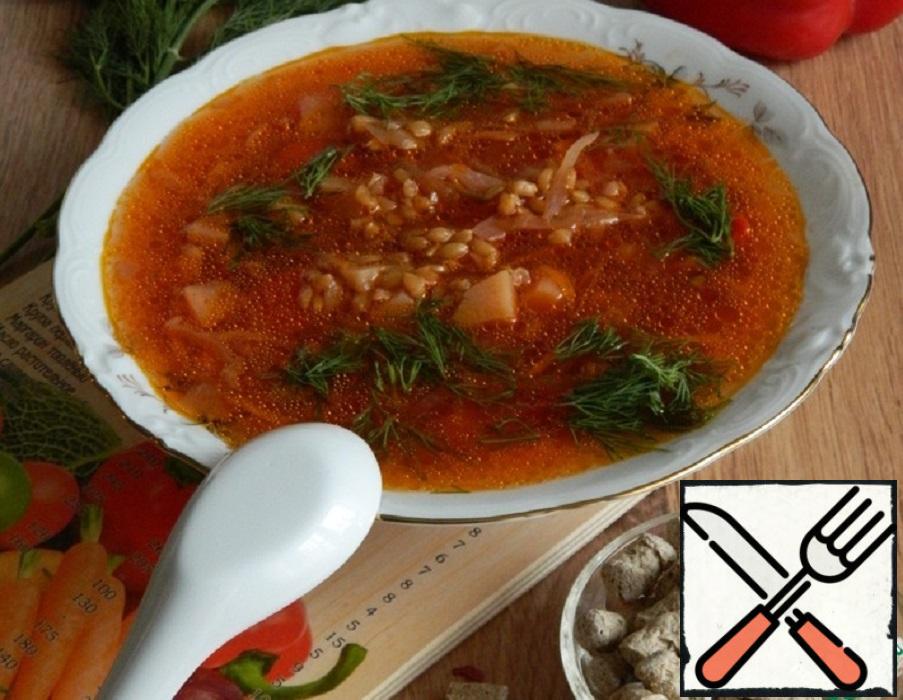
Recently, my husband and I chose a new cereal from spelt, as it turned out that this is a very useful product. We gave up meat broths for a while. After that, lean soups become the basis of our hot dishes. Because of this, I began to add cereals to vegetable broths, trying to make the soup more satisfying. For borscht, the most suitable porridge for me was spelt. Try this soup, I think you will like it. Spelt is the progenitor of wheat. It grows only on clean soils. For several thousand years, spelt has not undergone any genetic changes and is a real, 100% natural product. This porridge is great for a healthy diet: minerals and vitamins are preserved during processing, it is rich in fiber and protein.
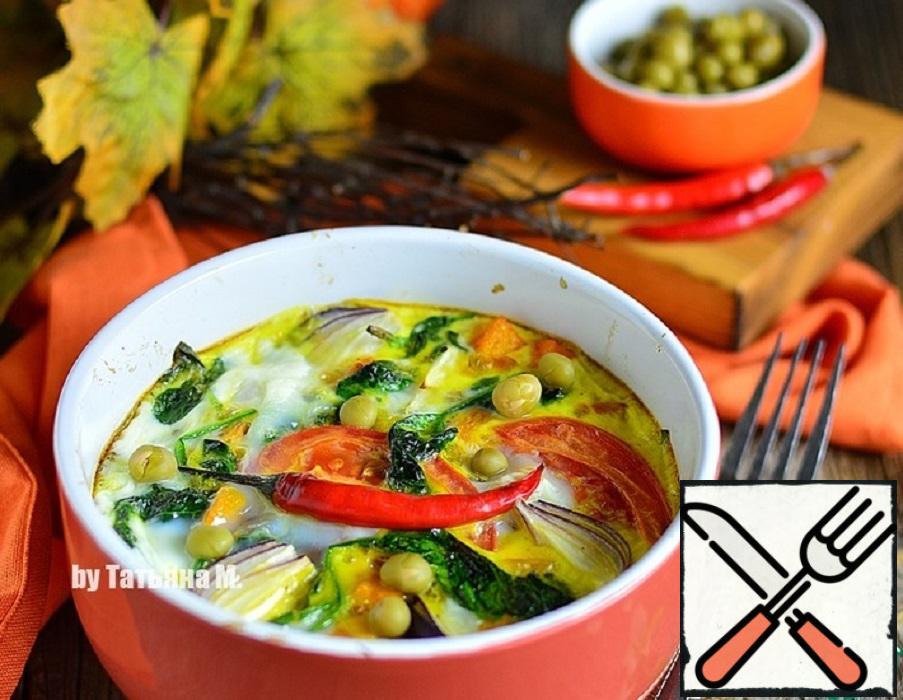
A very healthy, bright and delicious dish is what is missing in the autumn gray days! And as a bonus – it is quickly and simply prepared, you can choose the filling to your taste endlessly!
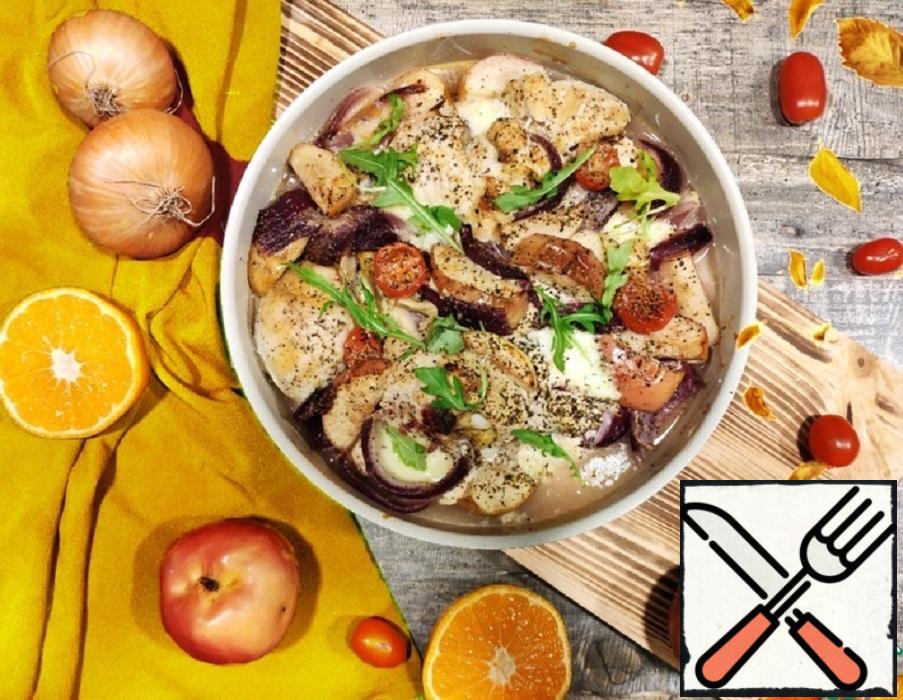
In autumn, after the apple harvest, I like to treat myself to this dish! It turns out very tasty tender meat with creamy notes! It looks great even on a festive table. Everyone who tries it will ask you for the recipe.
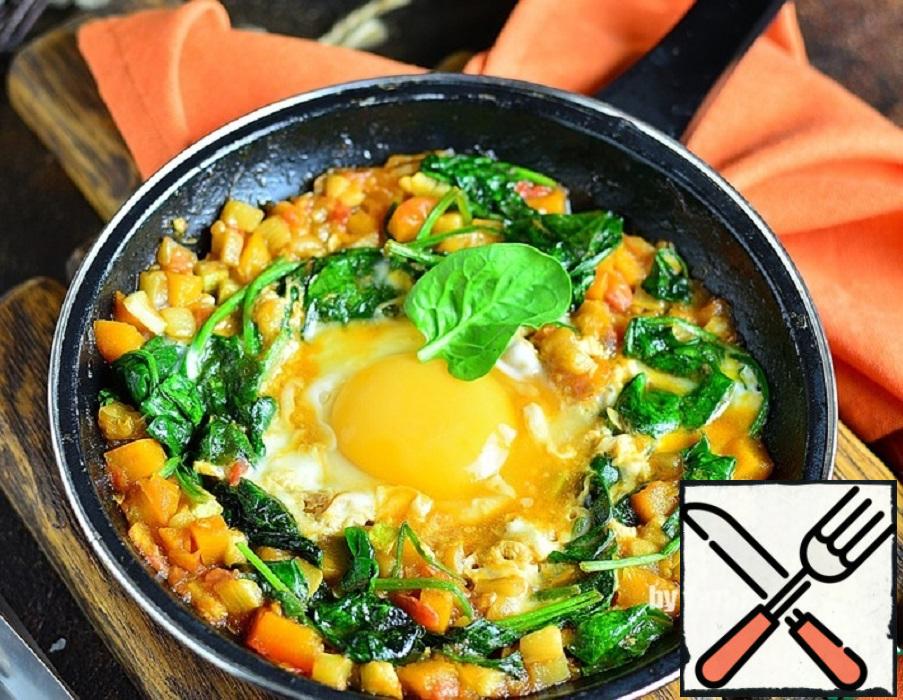
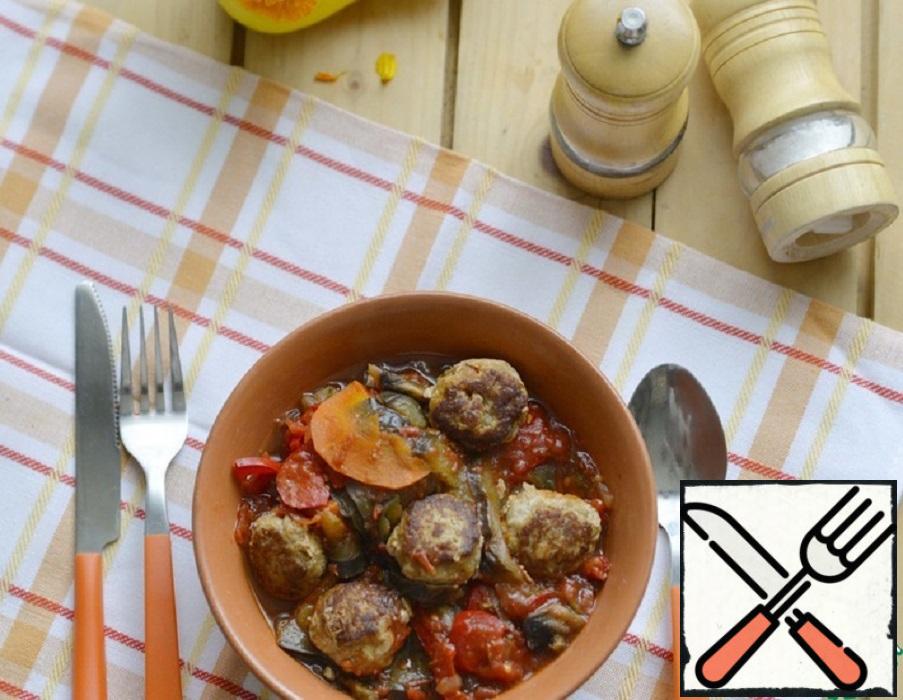
Jewish shakshuka – with spinach, seasonal autumn vegetables, ginger flavor and spicy taste! Great breakfast and just a snack! Not only delicious, but also healthy! The sharpness, of course, can either be removed or adjusted to your liking, as well as the presence of other vegetables or spices.
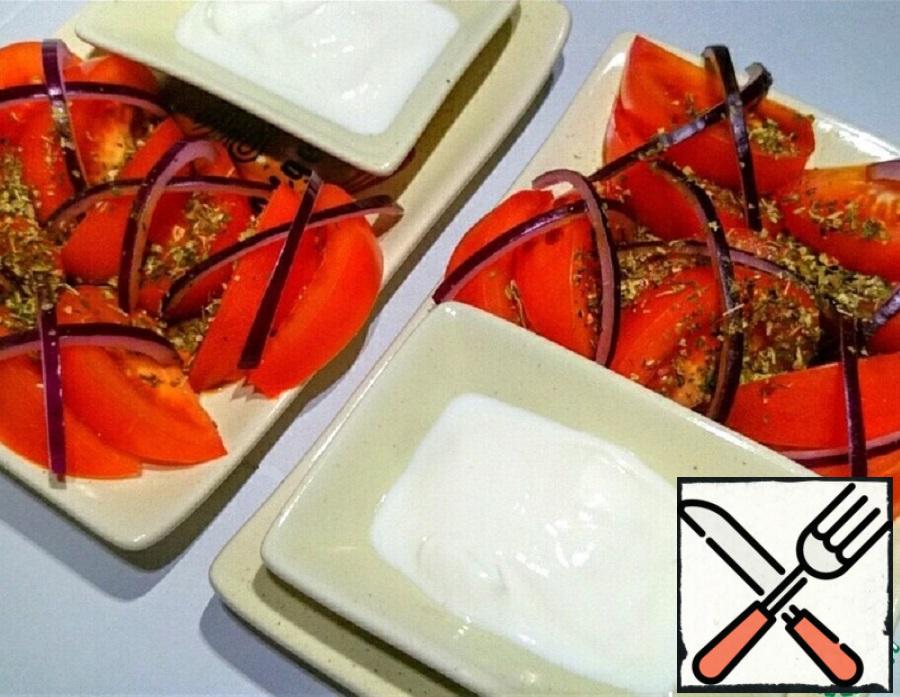
A very light and fresh salad that crunches pleasantly, contains vitamins necessary for the body in cold winter, and reminds of summer! Very tasty salad.
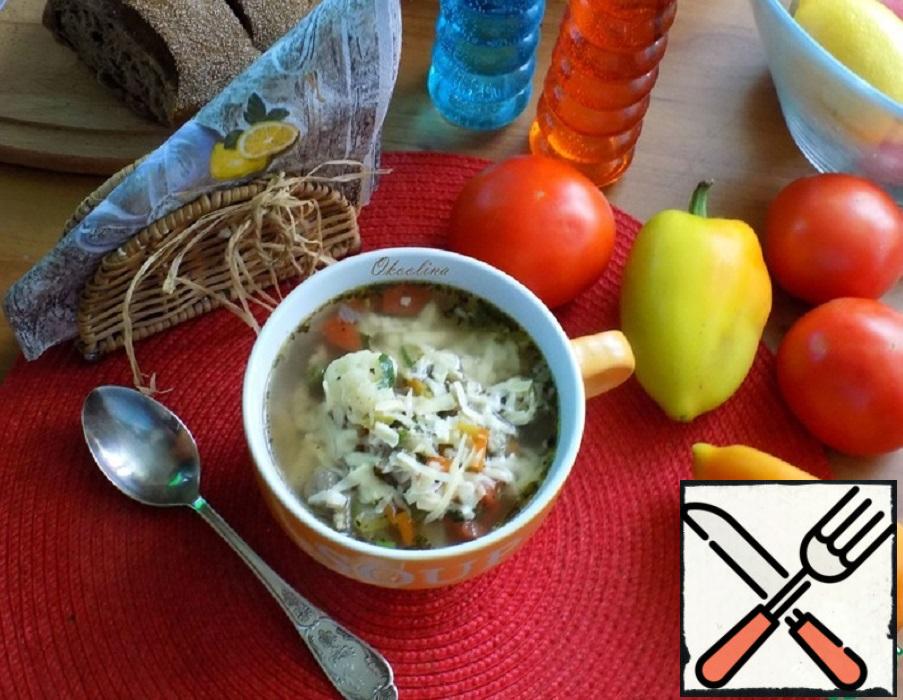
There are many classic minestrone recipes in Italy. But today I’m going to make minestrone in the autumn, with seasonal autumn vegetables and bacon. In some areas of Italy, it is prepared with pancetta. Pancetta is Italian bacon or ham on a bone. which we can replace with brisket or bacon. Meat minestrones are more suitable for cold weather. Minestrone always turns out to be very thick and therefore very satisfying, and this is what you need these autumn days.
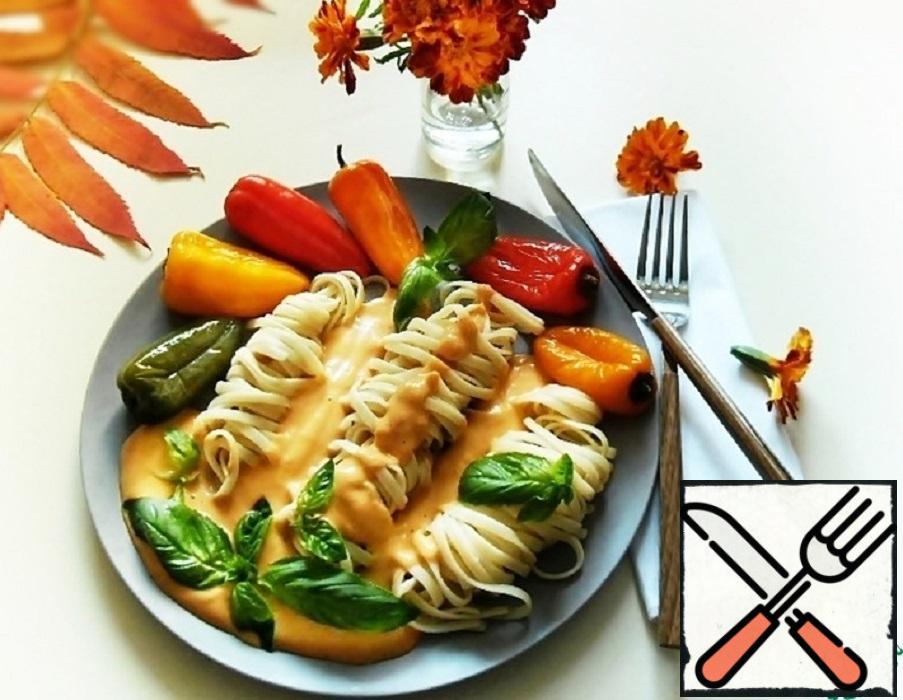
My daughter brought me various gastronomic gifts from Madrid. Among them there is such a pasta “Tallarini”. I want to cook them in a new (for me) saffron sauce. I remember as a child we called these autumn flowers “Marigolds”. It turned out that Imeretian saffron is prepared from them. That’s why I called the sauce saffron. Come in! It turned out to be a very tasty, velvety-tender and fragrant sauce! I think this sauce can be made in the post, replacing cream cheese and similar vegetable products.