Russian cuisine is diverse, hearty, and reflects the vastness of the country’s geography and cultural influences. It is characterized by its reliance on staple ingredients like grains, root vegetables, and meats, as well as its emphasis on preserving methods. Traditional Russian meals are known for their abundance, with soups, stews, and hearty dishes taking center stage. The cuisine is a blend of Slavic, Baltic, Siberian, Caucasian, Central Asian, and Eastern European influences.
History of Russian Cuisine
Ancient Roots: Russian culinary traditions have deep roots in the agricultural practices of ancient Slavic tribes. Grains, particularly wheat and barley, were staple foods.
Mongol-Tatar Influence: The Mongol-Tatar invasion in the 13th century introduced new ingredients like rice, spices, and various cooking techniques. Russian cuisine adapted by incorporating these influences.
Tsarist Era: During the Tsarist era, Russian cuisine saw the introduction of more elaborate and refined dishes influenced by French and European cuisines. The aristocracy embraced French culinary styles, leading to the creation of dishes like beef stroganoff.
Soviet Period: The Soviet period brought changes to Russian cuisine due to economic factors. Convenience foods became more prevalent, but traditional dishes like borscht and pelmeni remained popular.
Post-Soviet Era: With the dissolution of the Soviet Union, there has been a revival of interest in traditional Russian cuisine. Chefs explore regional variations and incorporate modern cooking techniques.
Commonly Used Ingredients in Russian Cuisine
Buckwheat (Gretchka): A staple grain in Russian cuisine, buckwheat is used in kasha (porridge) and various side dishes.
Potatoes: Versatile and widely used in Russian dishes, potatoes are a key ingredient in soups, stews, and side dishes.
Cabbage: Both fresh and fermented cabbage play significant roles in Russian cuisine. Cabbage is used in soups like shchi and as a main ingredient in dishes like golubtsy (stuffed cabbage rolls).
Beets: The vibrant color of beets is a common sight in Russian cuisine. Borscht, a beet soup, is a classic example.
Carrots: Carrots are used in a variety of Russian dishes, adding sweetness and color. They are commonly found in soups and stews.
Meat (Beef, Pork, Chicken): Meat is a fundamental component of Russian cuisine. It is used in various forms, from hearty stews like beef stroganoff to grilled shashlik.
Fish: With access to rivers and the Baltic Sea, fish is an important protein source. Salted and smoked fish are popular, as seen in dishes like shuba salad.
Dill: A ubiquitous herb in Russian cuisine, dill adds a fresh and aromatic flavor to many dishes, including soups, salads, and sauces.
Sour Cream (Smetana): A staple condiment, sour cream is often drizzled over soups, blini (pancakes), and other dishes, providing richness and tanginess.
Mushrooms: Foraged wild mushrooms, such as porcini, play a significant role in Russian cuisine. They are used in soups, sauces, and various main dishes.
Popular Dishes in Russian Cuisine
Borscht: A hearty beet soup, borscht is often made with meat, cabbage, and root vegetables. It is served hot or cold, with a dollop of sour cream.
Pelmeni: Dumplings filled with minced meat, usually beef or a mixture of pork and beef. They are typically served with butter or sour cream.
Shchi: A cabbage soup that can be prepared with various additional ingredients like meat, mushrooms, or sauerkraut.
Beef Stroganoff: Sliced beef in a creamy mushroom sauce, typically served over rice, pasta, or mashed potatoes.
Olivier Salad: A festive salad made with boiled potatoes, carrots, peas, pickles, and mayonnaise. Often served during holidays.
Piroshki: Small, baked or fried buns filled with a variety of ingredients, such as meat, cabbage, or potatoes.
Kotleti: Russian-style meat patties, usually made with ground meat, breadcrumbs, and seasonings. They are pan-fried and served with a side dish.
Shashlik: Marinated and grilled skewers of meat, commonly enjoyed during outdoor gatherings.
Solyanka: A hearty and sour soup made with various meats, pickles, olives, and sometimes mushrooms.
Golubtsy: Cabbage rolls stuffed with a mixture of ground meat and rice, often served with a tomato sauce.
Pirog: A traditional Russian pastry, often sweet, filled with fruits, berries, or jams.
Kasha: A porridge made from various grains, with buckwheat kasha being a popular and nutritious choice.
Kholodets: A cold meat jelly made from pork or beef, usually served with mustard or horseradish.
Medovik: A layered honey cake, with sweetened sour cream between the layers.
Shuba Salad: A layered salad made with beets, potatoes, herring, carrots, and mayonnaise, often served during celebrations.
Smoothies of bananas, apples, celery and cilantro with cinnamon, honey and lemon juice. This smoothie is very good for the heart. It should be diluted with water according to your taste. It can be smaller and it will be thick, but you can also drink more and drink it through a straw.
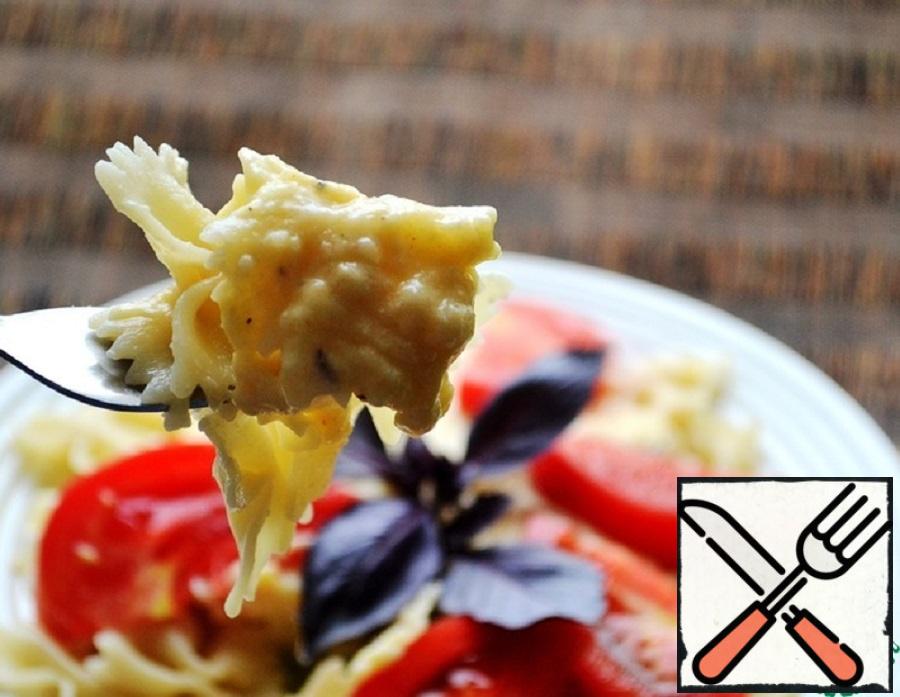
The recipe is simple, with a package of spices, but I really like it and it always helps. This sauce is perfect for pasta, fish, omelette. It is prepared in a couple of minutes, it turns out creamy and tender.
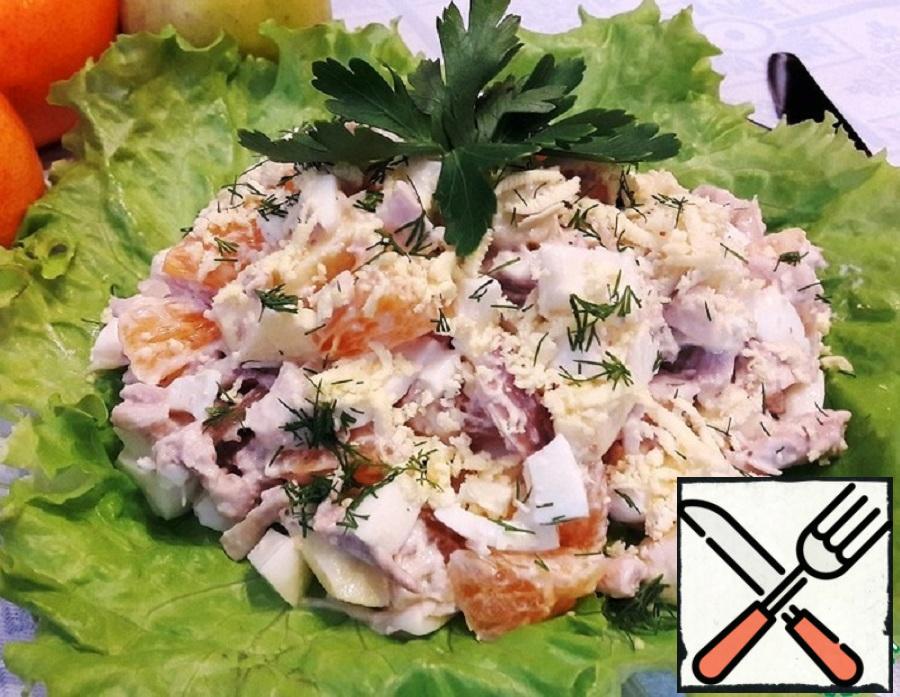
The ingredients of this salad complement each other perfectly. The result is a great salad that will decorate any festive table, especially New Year’s! The salad turns out to be simple, delicious, with a delicate fruit flavor.
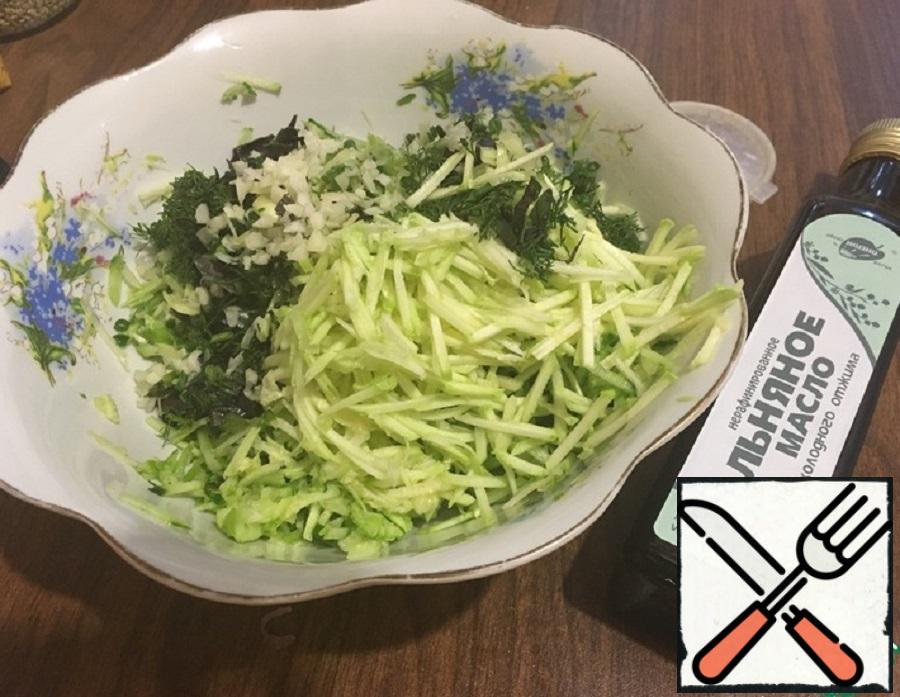
A very simple and healthy salad of fresh cucumbers and zucchini, of course, with seasonal greens. Our children’s day begins with such salads – enjoy it!
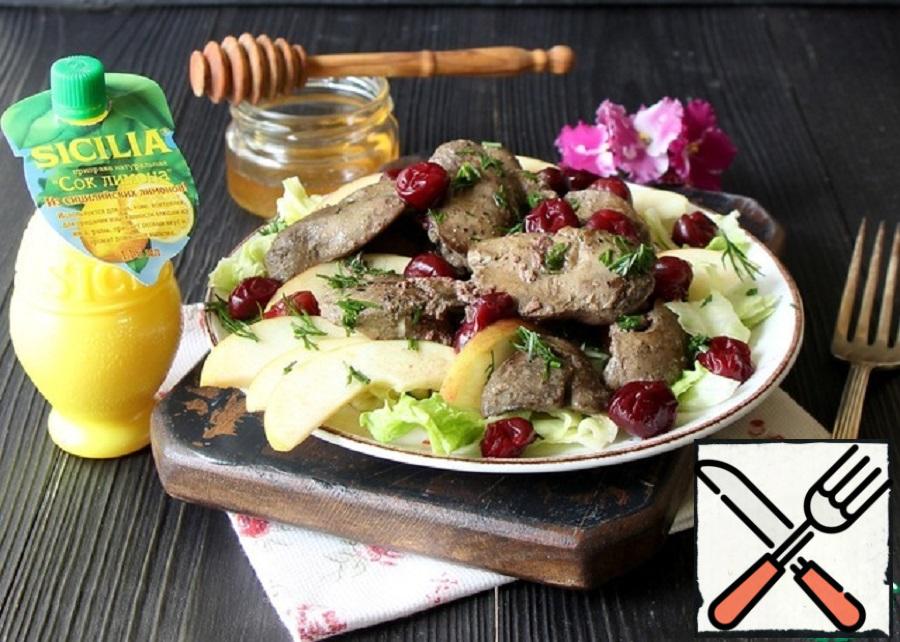
I strongly recommend you to try this delicious salad. The crispy texture of iceberg lettuce with the sweetness of an apple or pear and the piquancy of a cherry are harmoniously combined with bird liver. This salad will make a great dinner with a glass of wine. Moreover, I didn’t expect it to be so delicious! I advise you to prepare.
A very bright, summer and healthy salad of grilled chicken breast, strawberries, sweet plums and delicate lemon-flavored dressing! Be sure to try it, you will not remain indifferent!
A delicious and hearty salad, it replaces lunch or dinner. It is prepared very simply. Delicious, fast, easy. I have already cooked several times, the last time I added sesame seeds.
For a bright and beautiful start to the day, I suggest you treat yourself to toast with a summer palette of orange and raspberry flavors. Cottage cheese and honey will add satiety and usefulness.