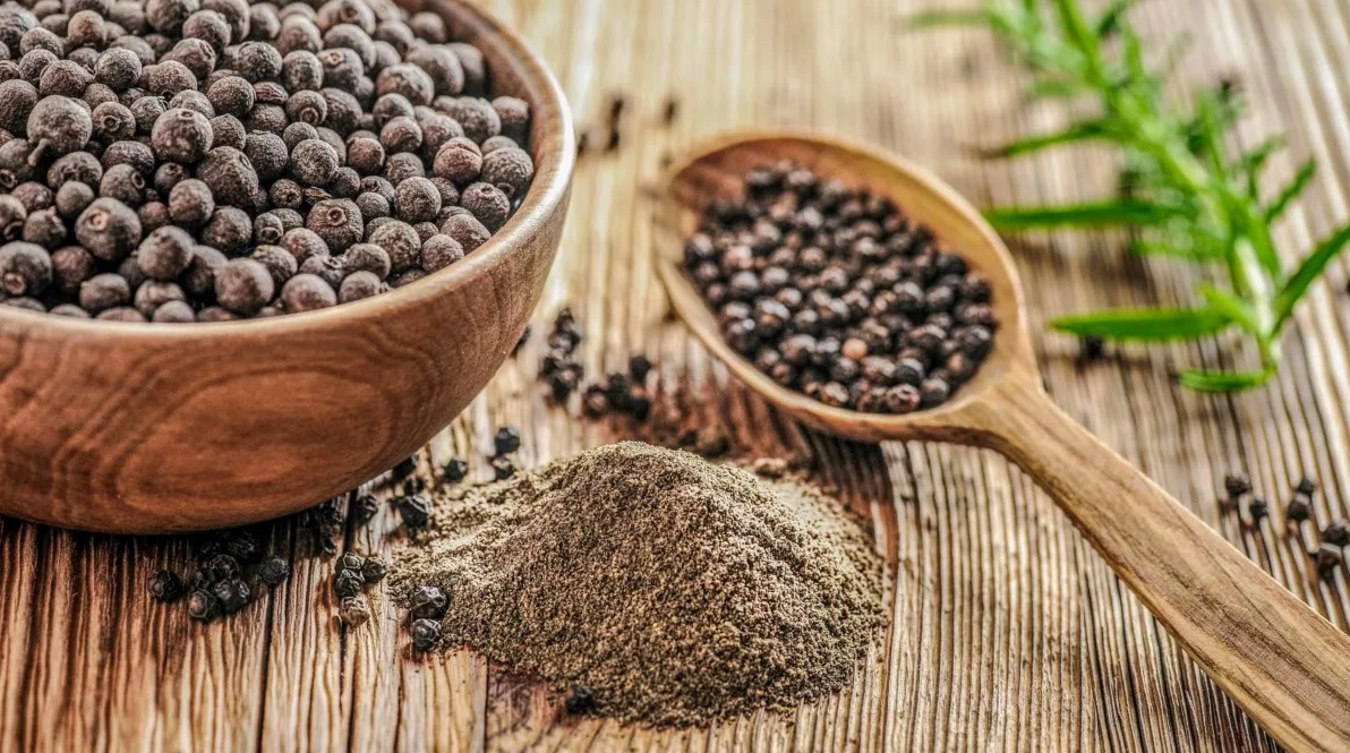
Black pepper blooms with small white flowers collected in hanging ears. The fruits of black pepper are spherical drupes with a hard shell, having a burning taste.
The birthplace of black pepper is the southwest coast of India, the current state of Kerala. Previously, these lands were called the land of pepper, and pepper itself was called the Malabar berry.
How to Choose Black Pepper?
When choosing ground black pepper, you should pay attention to the taste and color of the grinding. Fresh seasoning is always sharp and has a strong aroma, as it contains a large amount of piperine and essential oils. The color of high-quality ground pepper is heterogeneous, it consists of particles of light brown, greenish and gray shades. A uniform yellow, gray or black color indicates a large amount of impurities that manufacturers sometimes add to reduce the cost of goods. The black color of ground pepper may also indicate the use of unripe or rotten peas.
How to Store Black Pepper?
Ground pepper is recommended to be stored in a dry and dark place, away from strongly smelling products. Essential oils evaporate especially quickly from the finely ground seasoning, therefore, so that it does not lose its taste qualities, it should be kept in a hermetically sealed container. The room temperature should not exceed +25 °C.
When to Use Black Pepper?
Black pepper is one of the most effective digestive stimulants. This versatile seasoning is able to decorate any dish, starting from ordinary scrambled eggs and ending with masterpieces of haute cuisine. Food manufacturers add this spice to meat and sausage products, cheeses, canned food and marinades.
Spice is a mandatory component of most recipes of meat and fish dishes. It is added to soups and second courses of beef, pork, lamb, chicken, and also used in the preparation of homemade sausage, ham and pates. Seasoning perfectly complements dishes of mushrooms and vegetables, no brine or marinade can do without it. Somewhat less often, black pepper is added to drinks and desserts.
How Much Black Pepper Should I Use?
A standard-sized teaspoon holds about 4 grams of ground black pepper.
When preparing soups and broths, ground pepper is added 10-15 minutes before the end of cooking. When cooking fried dishes, pieces of meat or fish are sprinkled with pepper and salt before roasting. Seasoning is added to the raw minced meat during the stirring process.
The amount of spice depends on the intended volume of the dish and personal preferences.
It is usually customary to use from ¼ to 1 teaspoon per 1 kg of meat. The maximum dose of ground black pepper per day per person should not exceed 5 grams.
What Spices are Combined with Black Pepper?
Despite the fact that in the mind of any person, the phrase “salt and pepper” evokes an image of perfect harmony, a truly wonderful combination is obtained by mixing ground black pepper with turmeric. Curcumin, which is part of it, is similar in its action to piperine — it is also an antiseptic, an antioxidant and an anti-inflammatory agent.
Black pepper is perfectly combined with most spices, and is part of all popular mixes. It harmonizes well with cumin, garlic, coriander, as well as with its closest “relatives” — white, green and pink pepper.
Alternatives to Black Pepper
With individual intolerance to ground black pepper, it can be replaced with spices that have a similar bitter taste — cumin, mustard, coriander seeds, nutmeg. To make the dishes spicy, in the absence of allergies, you can use chili — paprika, cayenne, jalapeno.
Tips for Using Black Pepper
In combination with cinnamon and ginger, ground black pepper is added to desserts to give them a spicy taste. It is especially appropriate for the preparation of gingerbread and cupcakes, chocolate desserts, pies with apple and citrus filling, cookies.
This spice will give a peculiar taste to well—known drinks – it is added to milk tea, compotes, mulled wine and alcoholic cocktails.
To create a light, spicy salad dressing, ground pepper is mixed in various combinations with natural yogurt, honey, mustard, vinegar or lemon juice.
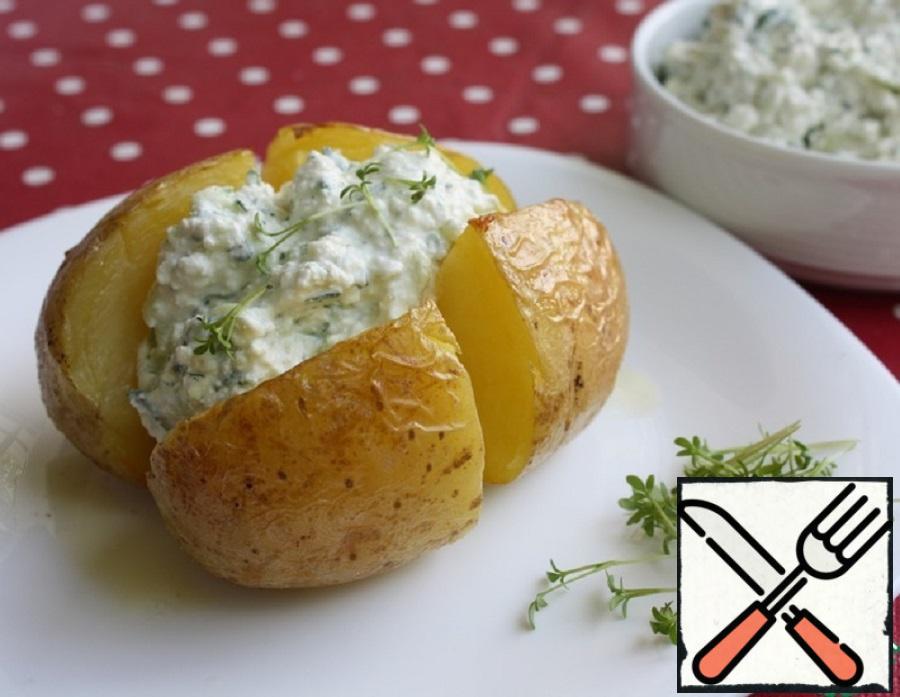
Grzic is a delicious aromatic and refreshing snack of fresh cottage cheese and vegetables, which is usually served with boiled or baked potatoes. The dish is called – piri with gzich. In Poland, grzic is also often served on rye bread in the form of a regular sandwich.
Kavarma is a well-known Bulgarian dish that is prepared from meat and vegetables. Classic kavarma is prepared in pots, which are put in the oven. However, kavarma, stewed in a deep frying pan, the recipe of which I offer, is very popular. Pork melting in oil with soft vegetables and lots of sauce. It is supposed to dip bread in it. A side dish of rice or potatoes is also welcome.
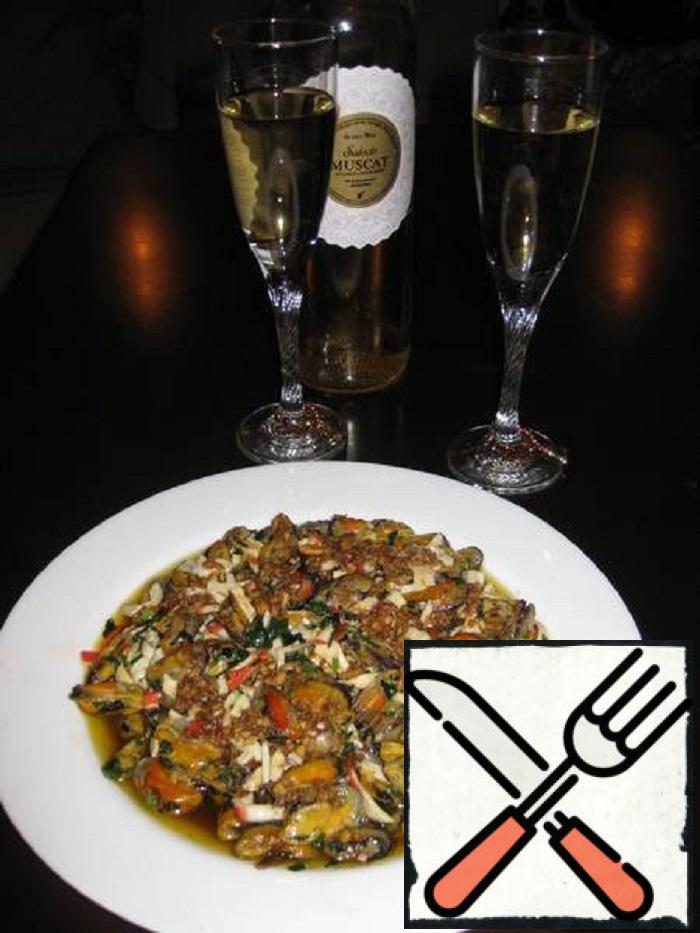
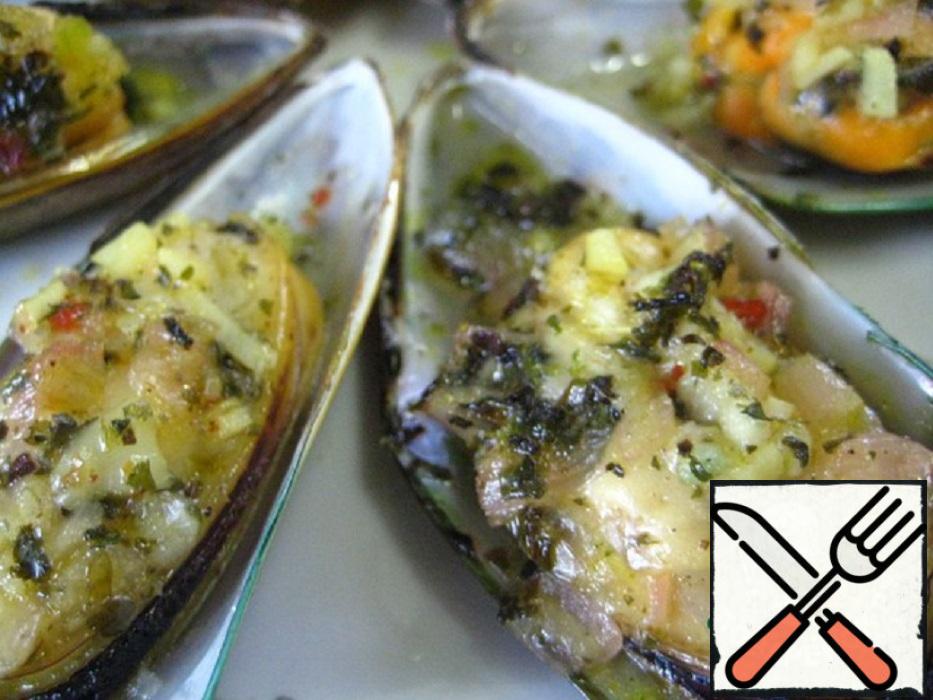
The indescribable, delicate taste of mussels combined with sweet and sour sauce and notes of garlic and cilantro. It is well suited on mild days of fasting. And for a romantic dinner – just a fairy tale. It’s very tasty.
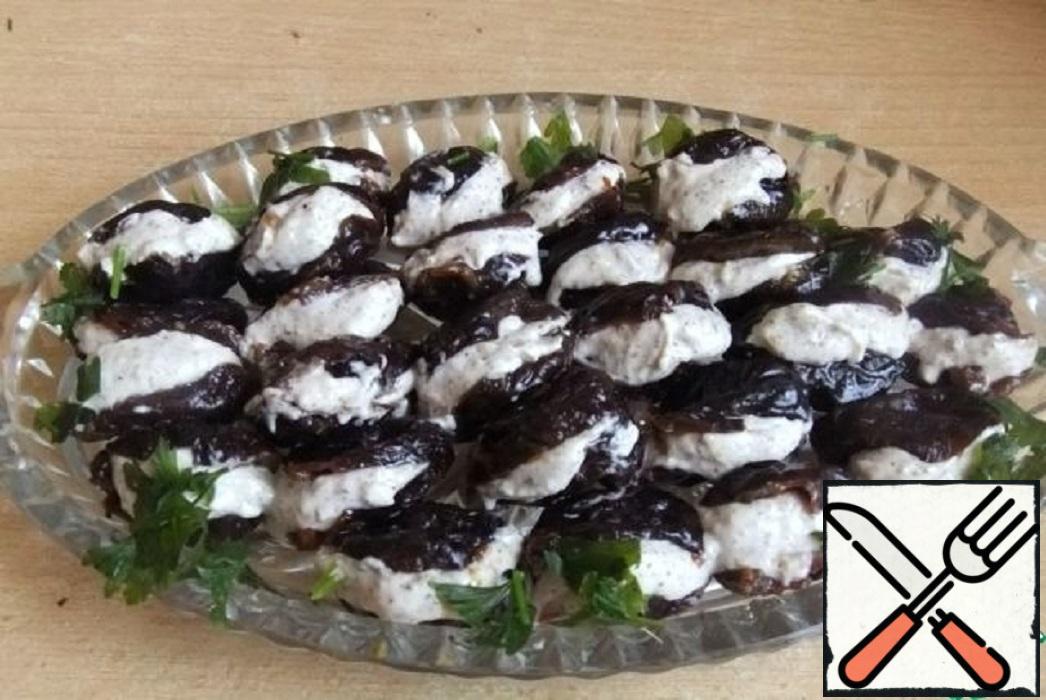
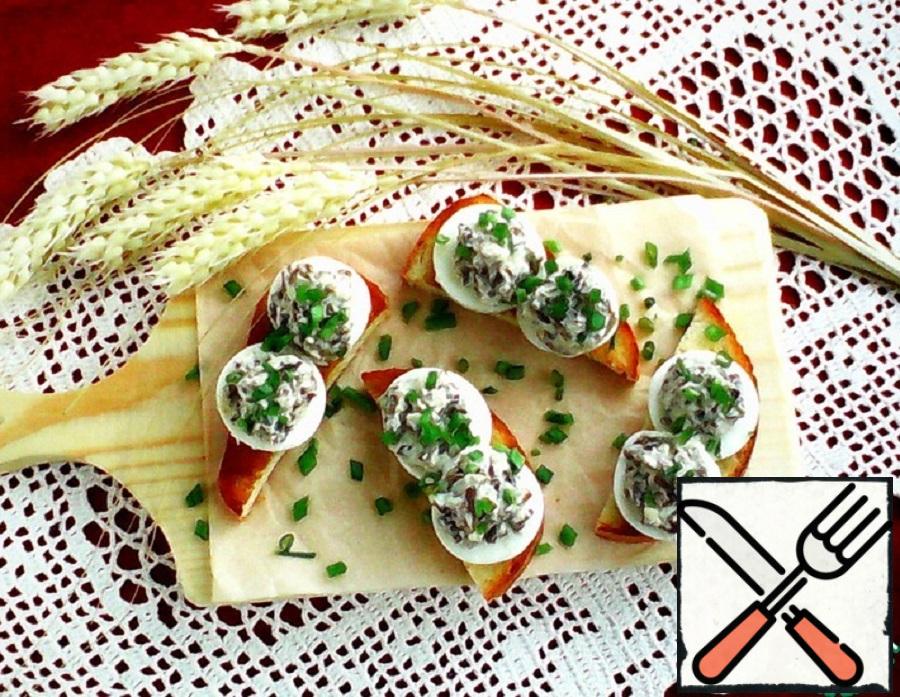
This very tasty, savory snack disappears from the table for the first time! The taste is nutty, sweet. Prepare it for the festive table, and your guests will be satisfied.
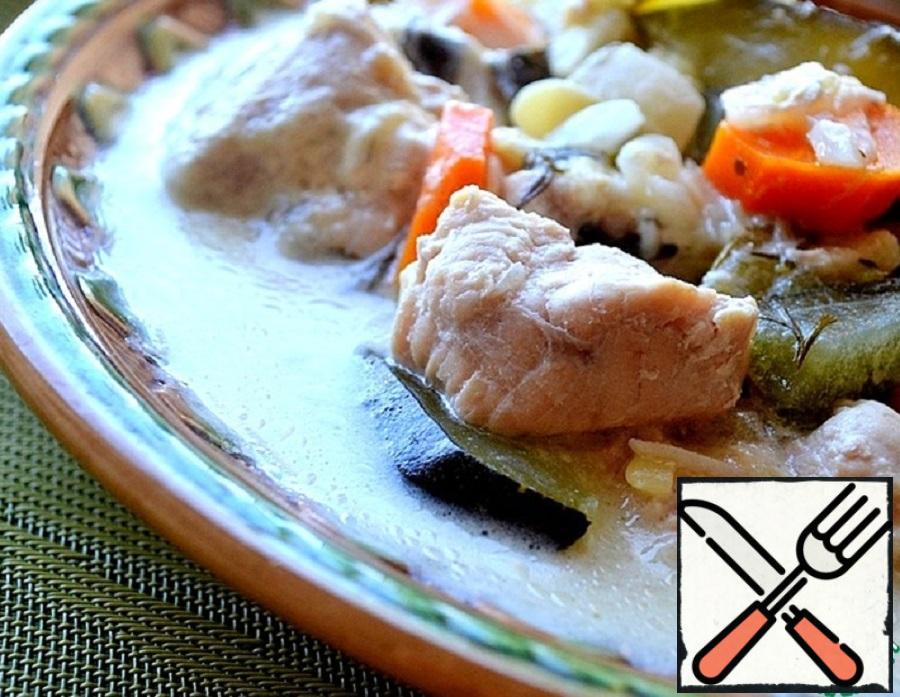
I suggest cooking a simple and hearty dish of seasonal zucchini for lunch or dinner. Fragrant, tender and delicious. It is easy to cook, and to leave it firm, always ask for a few seconds) Sooooo delicious to cook a magic bread sauce!
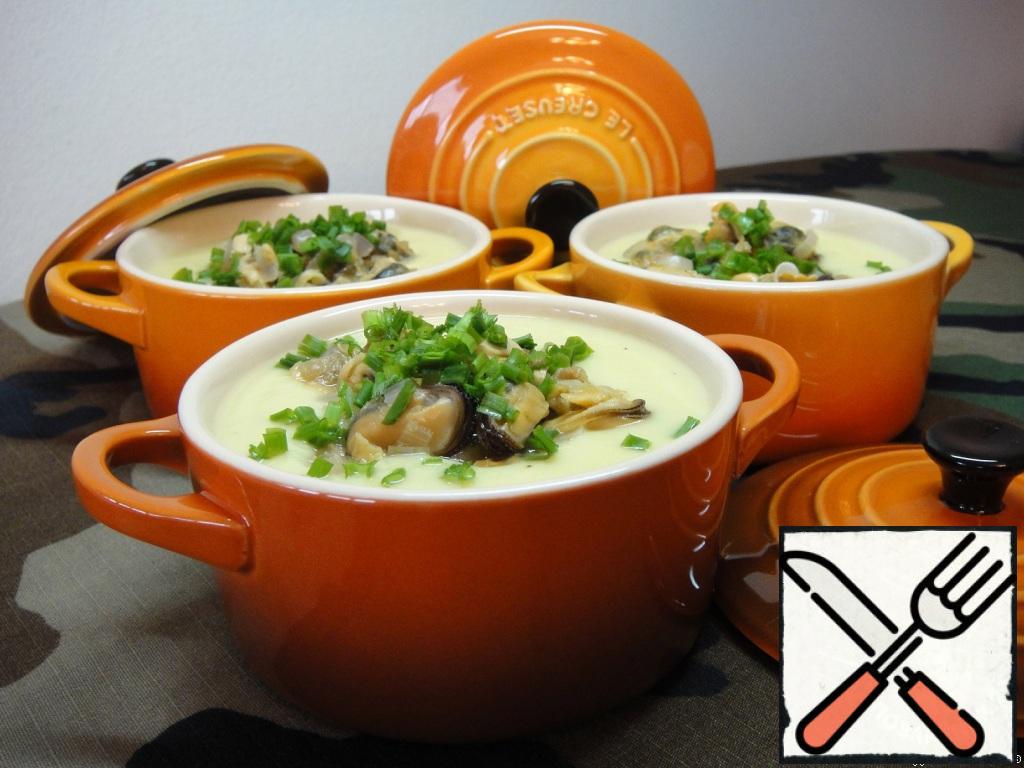
This soup is a godsend for lovers of seafood soups. Cooking is very simple and fast. It can also be dietary. It has a delicate taste with notes of mussels.
In order for the first vegetables, greens to appear, and our body will take fresh vitamins with pleasure, help him by preparing such a salad snack. Don’t be afraid to add young currant leaves and primroses to it, it’s delicious.