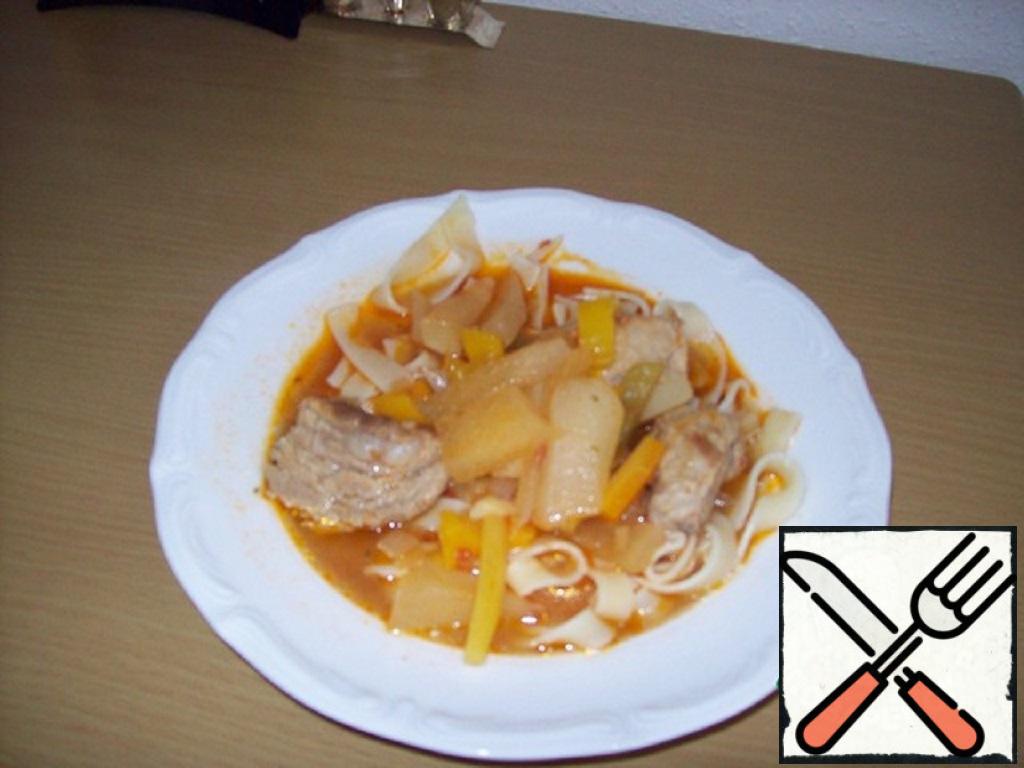
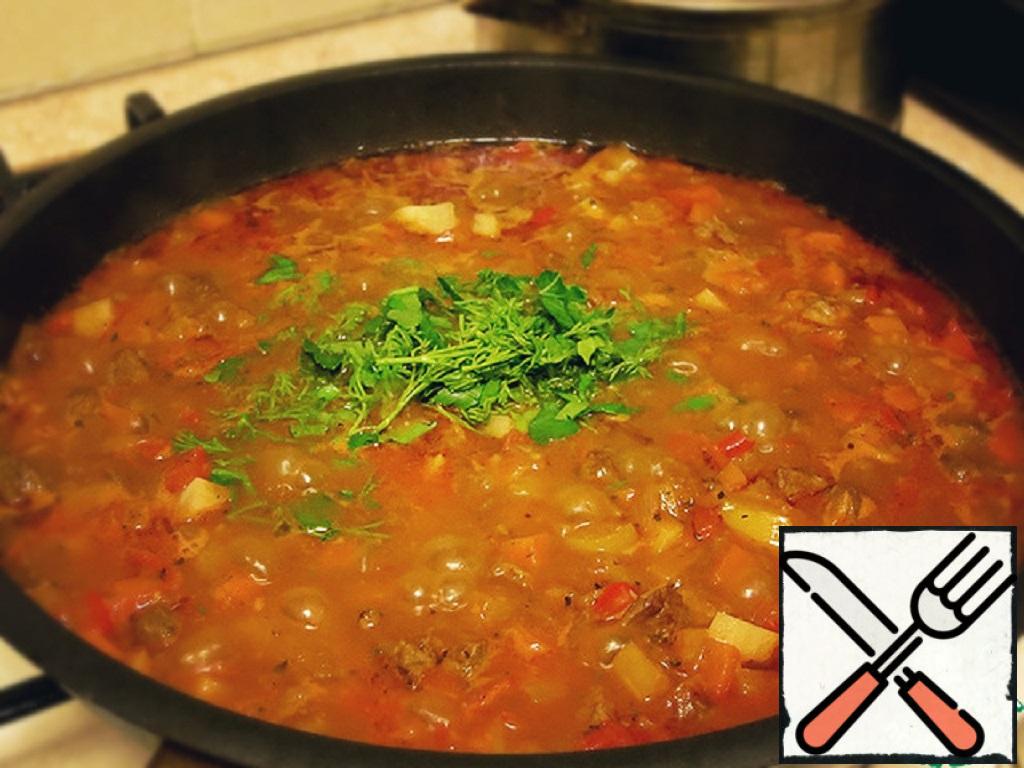
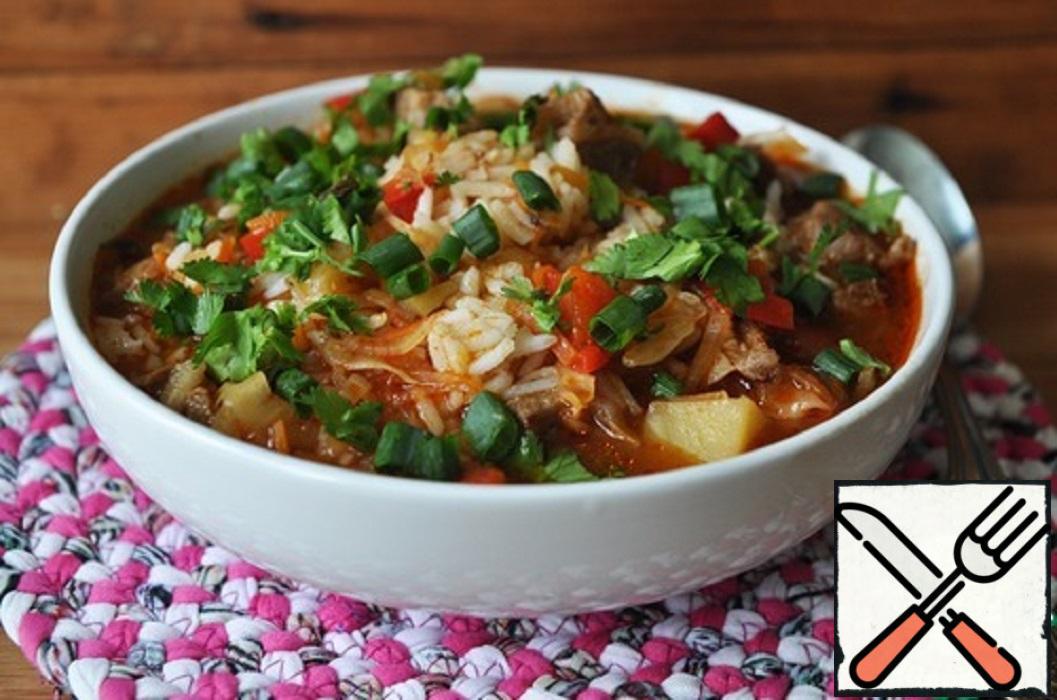
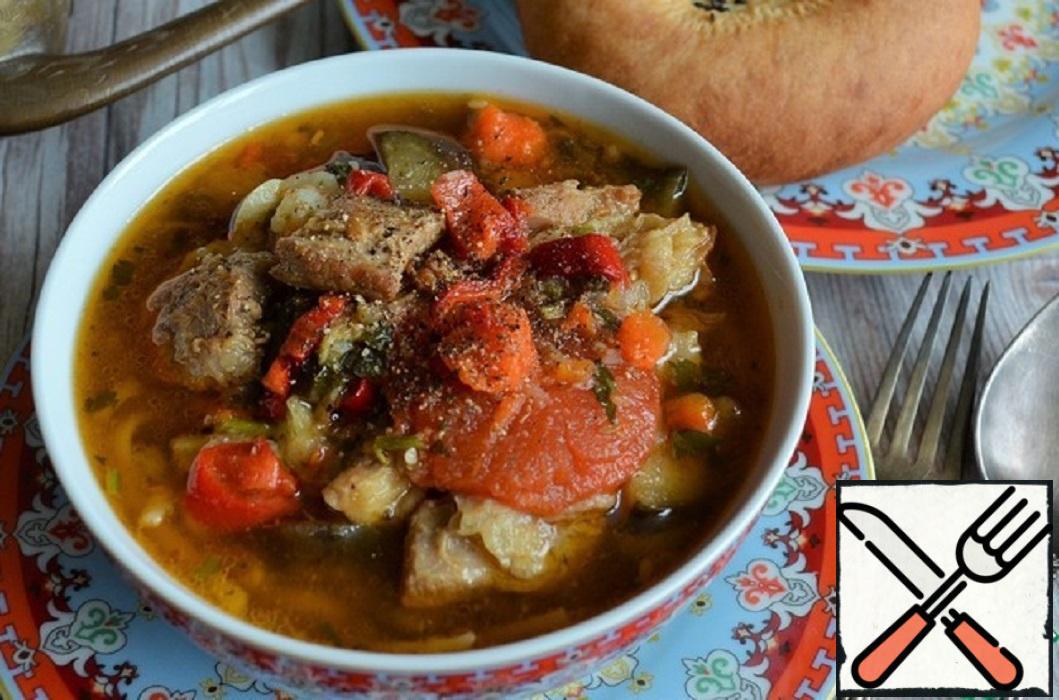
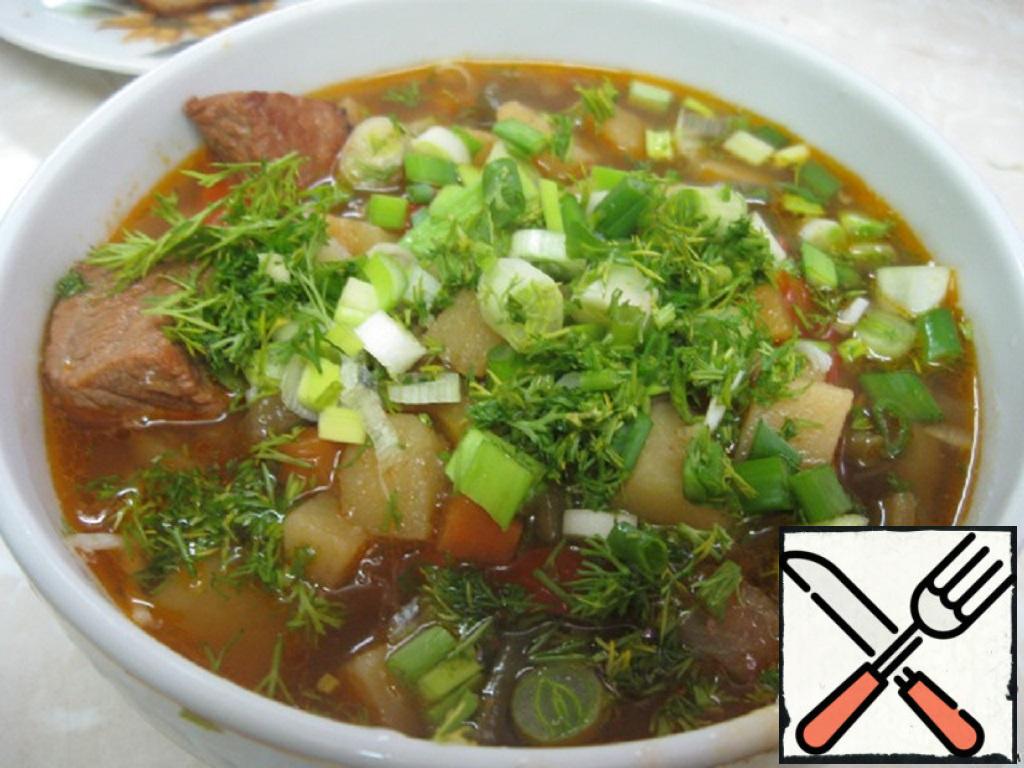
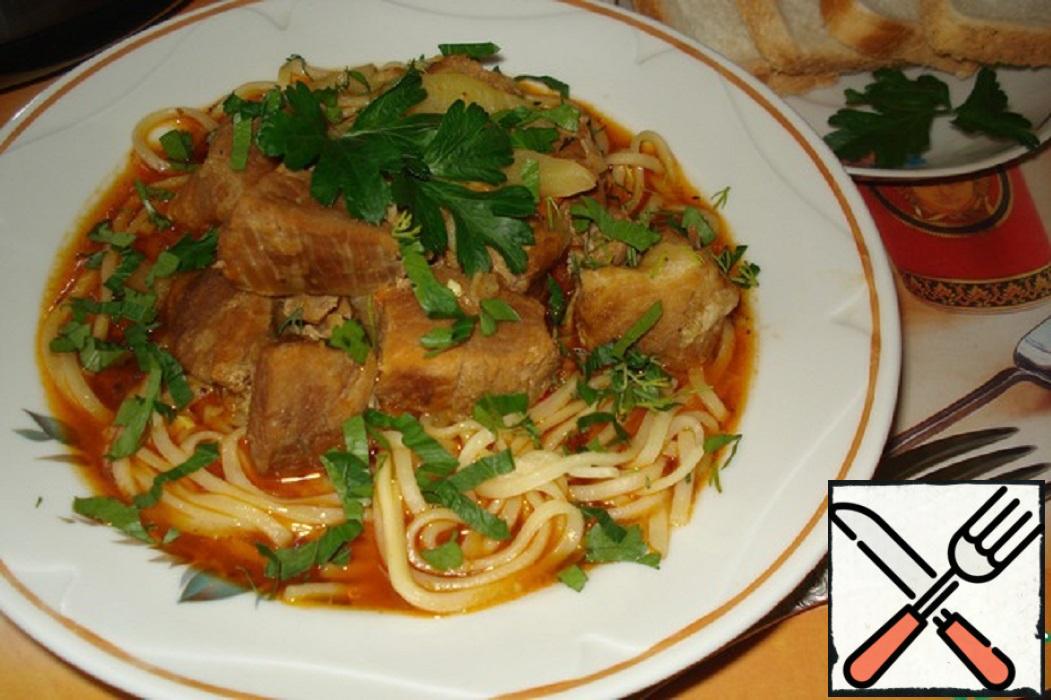
Lagman is a dish that everyone should try. And don’t put the whole vegetable garden in this dish. Minimum ingredients. Maximum flavor. A rational approach. Try cooking this.
Best Food Recipes 2023 Step by Step with Pictures
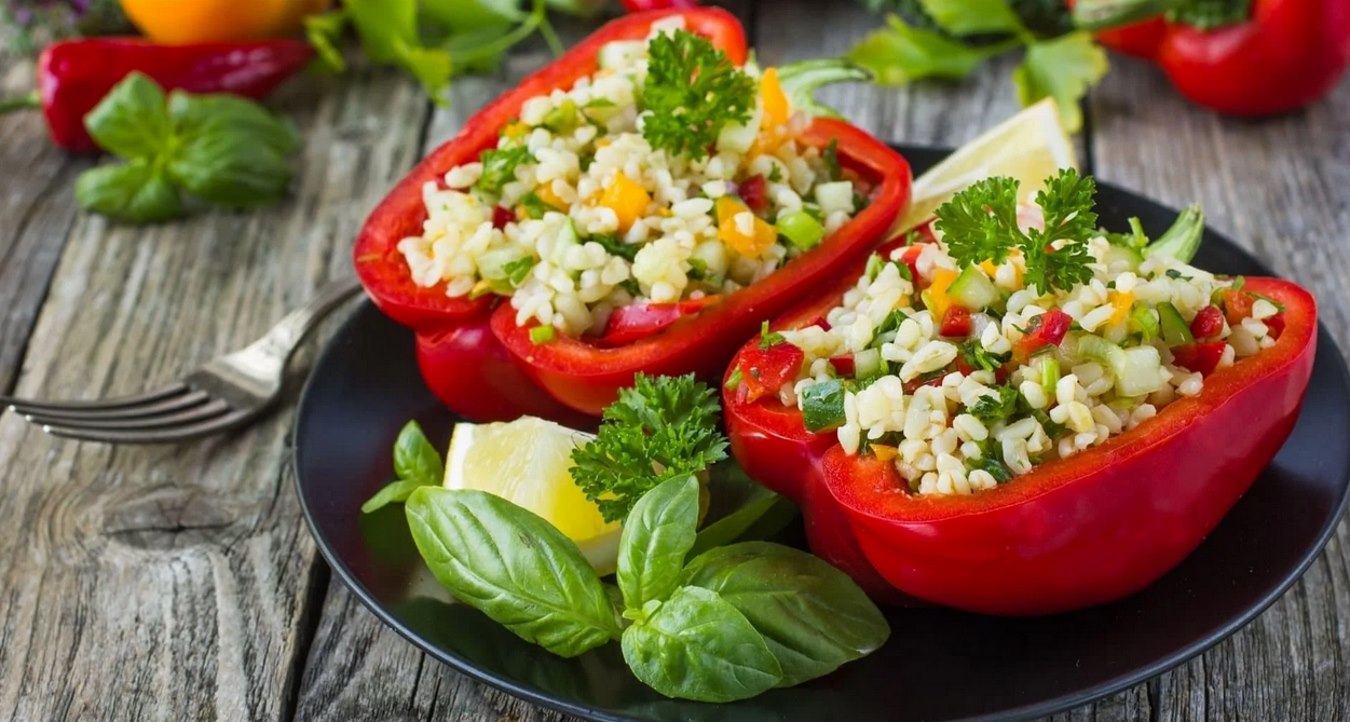
Bulgarian sweet pepper can be eaten both raw and cooked. Like the related chili pepper, sweet varieties are sometimes dried and ground. Such powdered spice of non-volatile varieties is called paprika. Although in Hungarian culinary practice, where paprika has become particularly widespread, there is also a sharp burning paprika, which includes pepper seeds containing burning capsaicin. All kinds of paprika are added to dishes to give them varying degrees of spice and special flavors. In addition, paprika is often used as a dye in the manufacture of sausage and other meat products. Peppers of any color are used for food, but when selecting fruits, it should be taken into account that green (unripe) and purple vegetables have a slightly bitter taste, and red, orange and yellow have sweeter, almost fruity “notes”.
Sweet peppers perfectly complement fried meat dishes, go well with stewed pork and chicken. In real French ratatouille, Hungarian and Bulgarian lecho, Hungarian goulash and paprikash, Turkish gyuveche, sweet pepper is one of the important ingredients. Fruits baked in the oven or on a charcoal grill acquire a particularly expressive aroma and taste. Fresh and pickled peppers get along harmoniously with scrambled eggs and omelette.
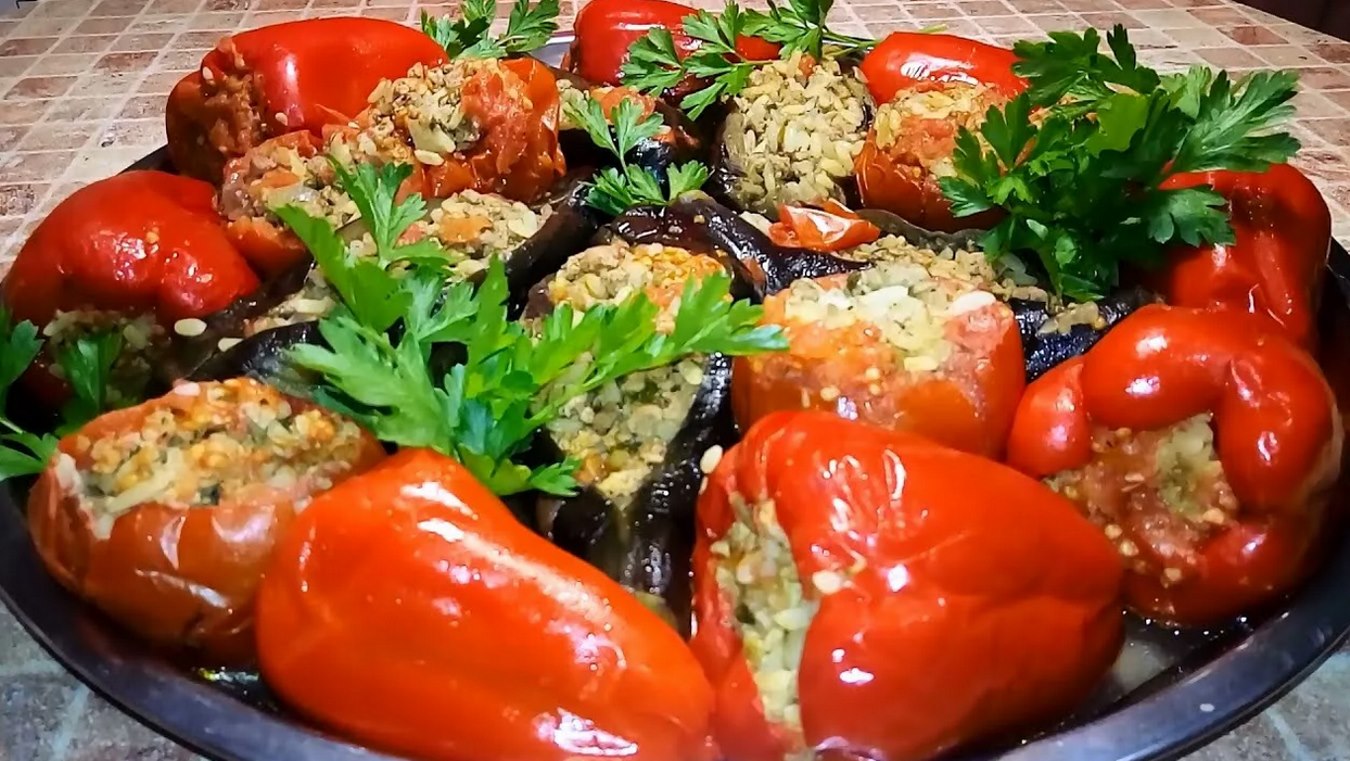
When choosing sweet pepper, preference should be given to hard-to-the-touch fruits of bright color with glossy, dry and smooth skin without damaged areas (without dark putrefactive spots and cracks). On yellow peppers, spots of red, green or orange colors are acceptable, on orange – red or yellow. Bright spotting, as a rule, will indicate incomplete ripening of fruits, although such peppers can be bought. The peduncle from which the fruit is torn off should not be dried or black. Its drying is a sign of long–term storage, and the moisture content of the skin around the “tail” is a sign of the beginning of rotting. Regardless of the degree of ripening, it is better to keep pepper in the refrigerator, but at the same time, unripe fruits (at the stage of technical maturity), when stored for up to 2-3 months, are first placed in a relatively warm compartment of the refrigerator (about +10 ° C), and then, after acquiring a bright uniform color skin, they are moved to a cold compartment (0-1 °C).
Peppers already ripe at the time of purchase are placed in the cold compartment immediately. They are packed in plastic bags or placed in trays lined with crumpled porous paper to absorb excess moisture and create air pockets that provide ventilation. To preserve Bulgarian pepper until the next season, freezing in the freezer is used. To do this, the pepper is washed, the stalk and seeds are removed, and then dried well. You can freeze whole cups by inserting them into each other, as well as sliced fruits. But it should be borne in mind that even in frozen form, pepper gradually, albeit slowly, loses its flavor.
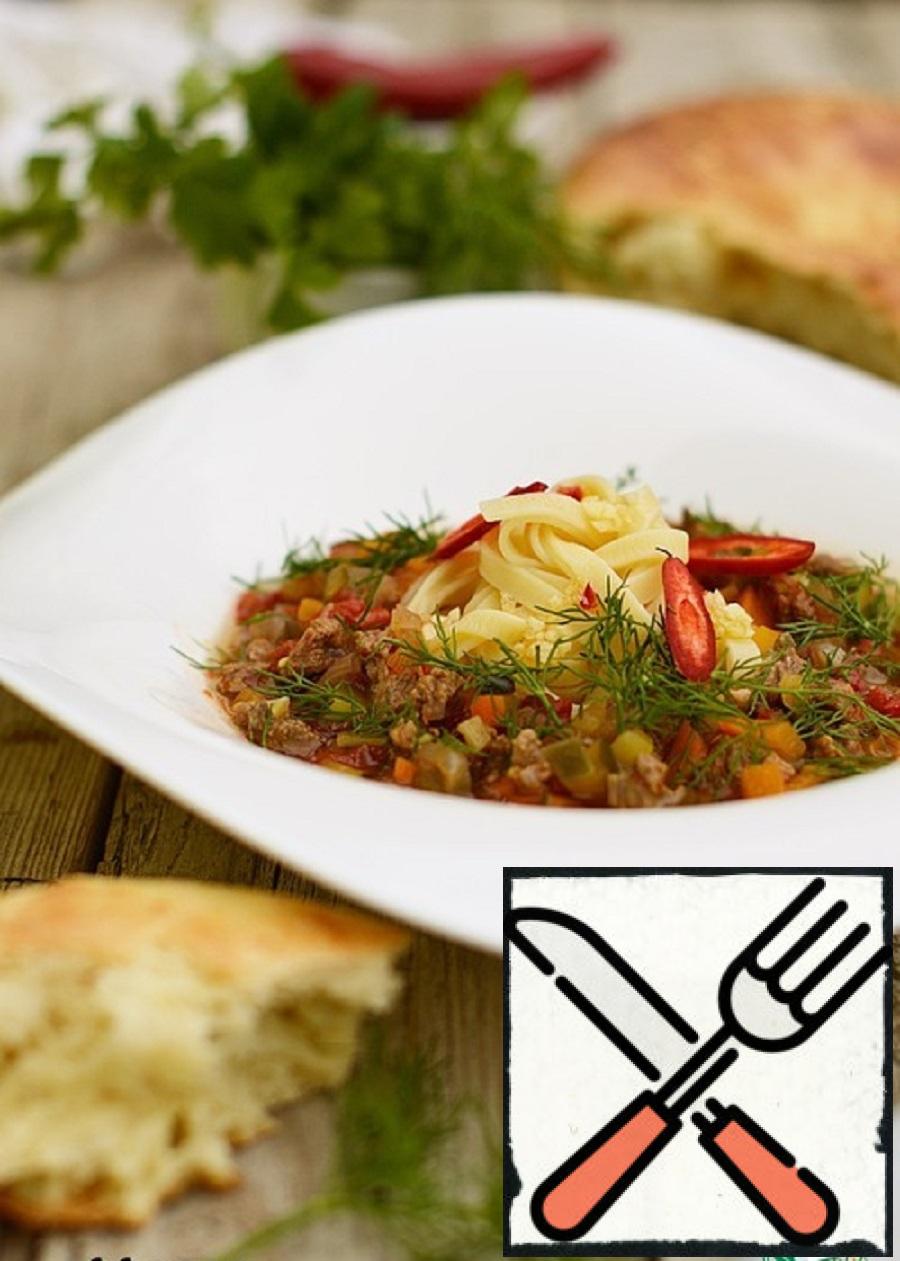

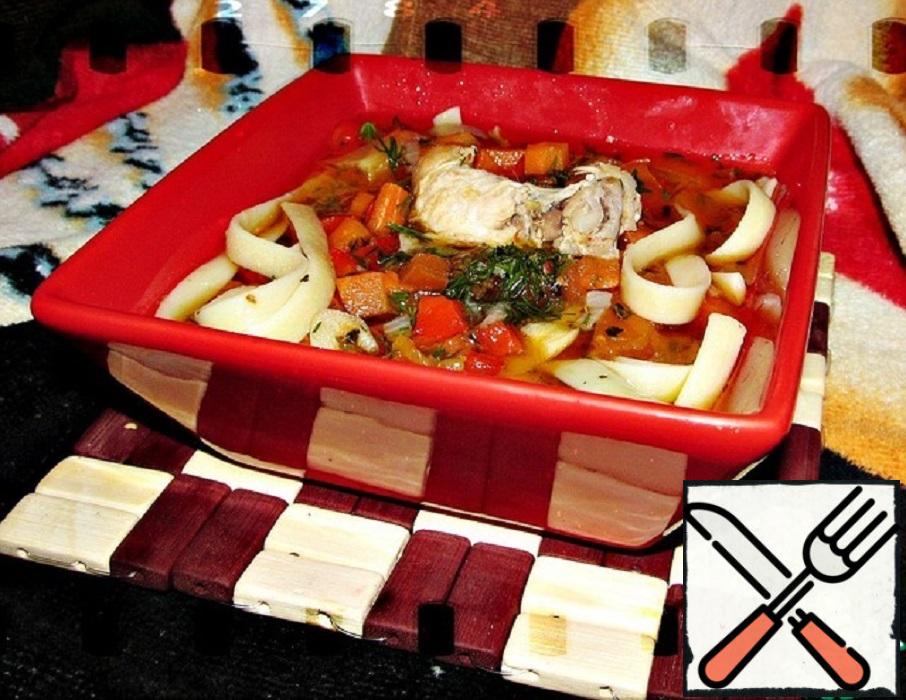
One day, during a vacation in Sudak, my friends and I went to a small cafe. Since the cafe prefers to try dishes that have never been tried, they ordered lagman. After a short time, the waiter brought a bowl full of noodles with meat and vegetables. The aroma of the dish was mind-blowing, and the taste was beyond praise. I offer you a recipe for this wonderful dish!